
Natiesha's Real Estate Blog

Homeowners Home Sellers

Thinking About Painting Your Home? The Paint Colors South Florida Homeowners Are Choosing Right Now

Oct 08, 2026

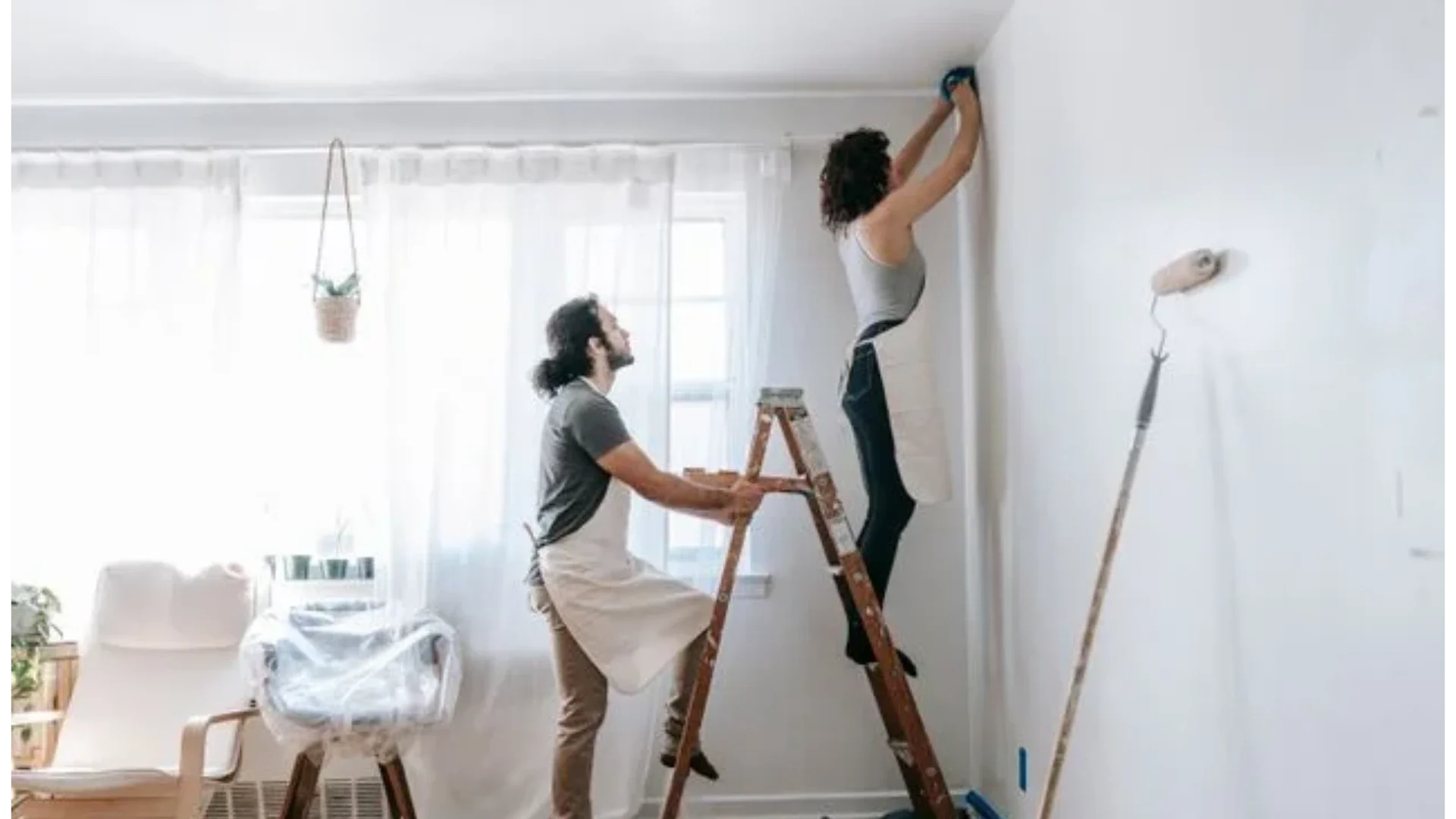
Thinking about painting your home but unsure which color to choose? You're not alone. Paint is one of the most affordable ways to refresh a home, and one of the easiest to get wrong. While helping a client with a kitchen renovation, I stopped by Sherwin-Williams in Miami Gardens and asked a simple question: which interior colors are popular locally right now? What the Paint Pros in Miami Gardens Are Recommending Their recommendations? Three soft whites, with one gentle neutral worth considering, too: Alabaster (SW 7008). A soft, warm white that feels calm instead of stark. Snowbound (SW 7004). A crisper white with a subtle gray undertone, for a cleaner, more modern look. Greek Villa (SW 7551). A warm, sunny white with a touch of cream. Drift of Mist (SW 9166). A light, soft neutral for when you want a little more depth than white. Think soft whites and gentle neutrals that create a fresh, inviting backdrop for your furniture, your art, and your life. Why Warm Whites and Earthy Tones Are Getting So Much Attention For years, deep grays were everywhere. Gray walls, gray floors, gray cabinets. Now warm whites, tans, and earthy tones are getting plenty of attention, and they offer inspiration beyond the grays we've seen for so long. In South Florida, where sunshine pours through our windows most of the year, warmer shades tend to feel bright and welcoming instead of cold. That doesn't mean you have to repaint a gray room tomorrow. It does mean that if you're already planning to paint, it's worth looking at what feels current. My Renovation Tip: Sample Before You Commit Here's the thing about paint: the color on the chip is not the color on your wall. Your lighting, cabinets, countertops, and flooring can make the same paint look very different from one home to another. A white that looks soft and creamy in your neighbor's kitchen can look yellow next to your countertops, or flat and gray in a room with little natural light. Before you buy gallons: Get samples of your top two or three colors. Paint large swatches, or use peel-and-stick samples, on more than one wall. Look at them in the morning, in the afternoon, and at night with your lights on. Hold them next to the things that aren't changing: your cabinets, countertops, backsplash, and floors. A few dollars in samples is a lot cheaper than repainting a whole room. Painting Before You Sell? Fresh, neutral paint is one of the most cost-effective updates a seller can make. It helps a home feel clean, bright, and move-in ready, and it photographs beautifully. But when resale is the goal, the question isn't just "What color do I love?" It's "What will today's buyers respond to?" Soft whites and gentle neutrals like the ones above give buyers a blank canvas, so they can picture their own life in the home. Choosing the right updates, and skipping the ones that won't pay off, is exactly what my Eden Styled-to-Sell System is designed to do. For more, see What HGTV Doesn't Tell You About Renovating for Resale. Painting Outside? Start With Your HOA Exterior paint is a different story, especially here. Many communities in Miramar and Pembroke Pines have rules about what colors you can use on your walls, trim, front door, and garage door. If you're in an HOA: Start with your association's current approved palette. Palettes get updated, so make sure you're working from the latest one. Follow the approval process. Many associations require an application before you paint, sometimes even if you're repainting the same color. Ask your local Sherwin-Williams. The store may have your community's colors on file, which makes matching much easier. Confirm with your HOA before buying paint or starting work. The store's file is a helpful starting point, but your association has the final word. Get your approval in writing. Skipping this step can mean violation letters, fines, or being told to repaint at your own expense. Good to know: HOA approval and city rules are separate. If you're changing your home's exterior color, it's worth a quick call to your city's planning and zoning office, too. No HOA? Then you have more freedom, and more decisions to make. Reach out to me or your local paint store for exterior color inspiration. Take a look at your roof color, your driveway, and the homes around you, since those all affect how a color looks from the street. A Little Planning Can Save You an Expensive Repaint Paint is one of the simplest ways to change how a home looks and feels. A little planning up front, sampling inside and checking with your HOA outside, can save you from an expensive repaint. Thinking about painting, renovating, or selling in Miramar or Pembroke Pines? Let's talk before you spend a dollar. I combine local market knowledge with a renovation background to help homeowners protect and maximize their home's value. Book a free consultation or find out what your home is worth. Color recommendations reflect what one local paint store shared with me and are for inspiration only. HOA and city requirements vary by community and can change, so always confirm with your association and your city before starting exterior work.

Read More


Homeowners Home Buyers Investors Home Sellers

Florida Property Taxes and Amendment 3: What South Florida Homeowners Need to Know

Oct 02, 2026

I get it. Property taxes are kind of a boring topic. But right now they are the hot-button issue in South Florida, and what happens on November 3 will show up on your tax bill. You've seen the headlines. You've seen the commercials. And maybe you're wondering how this will directly impact you and your family. I'm here to give you a quick breakdown so you can be better informed and make the best decision for your situation and your best interests. I'm not going to tell you how to vote. I am going to tell you what your property taxes do today, why Tallahassee wants to scale them back, and exactly what Amendment 3 says on the ballot. Why Florida homeowners already have it good Property taxes and homestead exemptions are a big deal in Florida, and other states don't have it as good as we do. We have no state income tax, and people have moved here specifically for our tax policies and the protections that come with them. If your Florida home is your primary residence, you already get three powerful benefits: Homestead exemption. It takes roughly $50,000 off your home's taxable value: $25,000 on all taxes, plus about $25,000 more on non-school taxes. Save Our Homes cap. Your assessed value can rise no more than 3% a year (or inflation, if lower), no matter how fast the market climbs. Portability. When you sell and buy another Florida homestead, you can carry up to $500,000 of your Save Our Homes savings with you. All of these are great, if you use them. Used well, they help you build financial security, wealth and a legacy for your family. Amendment 3 would not change the Save Our Homes cap or portability. It builds on top of the exemption. What your property taxes pay for today Property taxes are the main recurring income for your county, your city and your school district. Florida has no state income tax, so this is the money that runs the services closest to your front door. Schools. A large share of your bill goes to the school district. Amendment 3 leaves school taxes alone. Public safety. Police, sheriff, fire rescue and 911. Infrastructure. Roads, bridges, stormwater and flood protection. Quality of life. Parks, libraries, transit and after-school programs. Open your TRIM notice or tax bill and you'll see each of these listed line by line, with the amount you pay to each one. Note that fees like garbage and fire assessments are not property taxes, and no exemption reduces them. Why scale them back? The two sides Home values in Florida have climbed fast, and tax bills and local government budgets climbed with them. That is the heart of the debate. The Legislature put Amendment 3 on the ballot (House Joint Resolution 1F), and it needs 60% of the vote to pass. Supporters say homeowners need relief from rising bills, and local governments need a push to control spending. The governor, the Republican Party of Florida and Florida Realtors support it. Florida Realtors has launched a statewide Vote Yes on 3 campaign. In its own words, Florida Realtors supports Amendment 3 because "affordability doesn't end at closing. The ongoing cost of homeownership matters just as much as the cost of buying a home." The association says the measure helps Floridians stay in their homes and keep more of what they earn. It also says the lower 5% cap gives more stability to property owners and to the tenants and businesses who depend on them. Opponents say the money has to come from somewhere. State economists estimate local governments would collect about $4.9 billion less in 2027, growing to about $11.8 billion a year. The Florida Democratic Party, public safety groups, and many cities and counties oppose it. Florida TaxWatch, a nonpartisan budget watchdog, recommends a "no" vote. Here in South Florida, Miami-Dade County estimates a $385 million loss in the first year. Mayor Daniella Levine Cava has said roads, flood protection, parks, libraries and transit "could all face difficult cuts." Closer to home, the Miramar Pembroke Pines Regional Chamber of Commerce opposes Amendment 3. The chamber says it supports property tax relief for homeowners, but that no plan exists to replace the lost local revenue. It warns the gap could lead to "higher sales taxes, increased millage rates on commercial properties, and expanded special fees" that land on Miramar and Pembroke Pines businesses, renters and consumers. Critics also point to tax shifting. If homesteads pay less, more of the load can fall on rentals, businesses and second homes, which can reach renters through higher rents. The exact wording on your ballot Here is what you will read in the voting booth on November 3, 2026. Ballot title: INCREASED HOMESTEAD EXEMPTION; LOWER CAP ON INCREASES IN NON-HOMESTEAD PROPERTY ASSESSMENTS. Ballot summary: This amendment increases the homestead exemption, for all non-school taxes, to $150,000 in 2027 and $250,000 in 2028, and adjusts for inflation thereafter. It requires the Legislature to prescribe a uniform procedure for counties and municipalities, for their respective levies, to increase the homestead exemption up to full assessed value, and allows special districts, subject to referendum approval, to do the same. Persons who are not Florida residents on December 31, 2026, will receive the existing homestead exemption upon qualifying for a homestead exemption, with the increased homestead exemption beginning with the fifth year of exemption, to the extent permitted by the U.S. Constitution. This amendment reduces the annual cap on assessment increases for non-homestead properties from 10% to 5%. This amendment requires counties and municipalities to use property taxes solely for public safety, education and schools, infrastructure, natural resources, bond debt service, retirement benefits for employees, and operations and administration. Other expenditures may be approved by county officers or county or municipal governing bodies unless prohibited by general law, notwithstanding Article VII, Section 9(a) of the Florida Constitution, which allows counties and municipalities to levy property taxes for their respective purposes. This amendment takes effect January 1, 2027. In plain English, it does four things: Raises the homestead exemption on non-school taxes to $150,000 in 2027 and $250,000 in 2028, then adjusts it for inflation. Cities and counties could later go further, up to the full value. Makes people who move to Florida after December 31, 2026 wait until their fifth year of homestead to get the bigger exemption. Cuts the yearly cap on assessment increases for non-homestead property (rentals, second homes, commercial) from 10% to 5%. Limits what cities and counties can spend property taxes on, with room for local officials to approve other spending. What it could mean for you The impact depends on who you are. If it passes, the first tax bills to reflect it arrive in November 2027. If you are... What Amendment 3 would likely mean A homesteaded homeowner A lower bill on the non-school portion. Florida TaxWatch estimates average savings of about $1,035 in 2027 and $2,085 in 2028. School taxes stay the same. An owner whose assessed value is under $250,000 Possibly no non-school property tax at all by 2028. Many long-time owners protected by Save Our Homes fall here. A buyer already living in Florida The full exemption once you homestead your new home. Moving to Florida in 2027 or later Today's exemption for your first four years, then the larger one in year five. An investor or landlord No larger exemption, but your assessment could rise only 5% a year instead of 10% on non-school taxes. Watch for tax rates shifting toward non-homestead property. A renter No direct savings. Your rent could feel it if your landlord's taxes rise. Everyone shares the other side of the ledger: whatever your city and county decide to cut, or charge for in other ways, to make up the difference. Before you vote A lower tax bill sounds great, and for many homeowners it would be real money. The question worth a little thought is what you get, and what you give up, in return. Pull out your TRIM notice and find your non-school taxes. That is the part Amendment 3 touches. Ask your city and county what they would cut or change if it passes. Check that your homestead exemption is filed. None of these benefits help you if you haven't claimed them. Read the amendment for yourself on your sample ballot from the Supervisor of Elections. Whichever way you vote, vote informed. And if you want to know what this means for your home, your next purchase or your investment property, reach out. I'm happy to walk through your numbers with you. This post is for general education and is not tax or legal advice. Talk with your tax professional or your county property appraiser about your specific situation. Sources Florida Chamber: Florida's 2026 Property Tax Amendment 3 (ballot title, summary, fiscal impact) Florida TaxWatch: Taxpayer's Guide for the 2026 Constitutional Amendments Pinellas County Property Appraiser: Amendment 3 FAQs Florida Phoenix voter guide: Amendment 3 CBS Miami: Miami-Dade warns of $385M revenue loss Florida Policy Institute: Amendment 3 ballot language and local fiscal impacts Tax Foundation: analysis of the Florida property tax proposal Miramar Pembroke Pines Regional Chamber of Commerce: Amendment 3 position Florida Realtors: Amendment 3 advocacy page Florida Realtors launches Vote Yes on 3 campaign

Read More
Homeowners Home Sellers Investors

Rainy Season Is Exposing Roof Problems in Pembroke Pines and Miramar — Here's What to Watch For

Sep 21, 2026

In Pembroke Pines, Miramar, and across South Florida, rainy season has a way of revealing home maintenance issues homeowners may not notice the rest of the year. A small ceiling stain suddenly grows. A tiny drip appears near a window. Moisture starts showing up where everything once seemed fine. Often, the roof has been trying to warn you for a while. As a Realtor® and renovation-minded real estate professional serving Pembroke Pines and Miramar, I've seen firsthand how roofing issues quietly impact more than comfort and safety — they affect property value, insurance eligibility, and resale potential too. The good news: most major roofing problems start out manageable, if you catch them early. Small Signs Can Point to Bigger Problems Many homeowners don't realize roofing problems usually start subtly. Some early warning signs to watch for: Ceiling discoloration Peeling paint Musty or moisture smells Lifted shingles or cracked tiles Clogged gutters Water intrusion near doors or windows These issues might seem minor in dry weather, but South Florida's rainy season exposes weaknesses fast. What starts as a small repair can turn into water damage, mold concerns, or interior deterioration if it's ignored too long. Roof Age Matters More Than Ever in South Florida Roof age has become one of the most important factors for homeowners in Pembroke Pines and Miramar to understand. An older roof can affect: Insurance eligibility Insurance premiums Buyer confidence Financing options during resale Even when a roof isn't actively leaking, buyers and insurers pay close attention to its remaining lifespan. Knowing your roof's condition before problems arise puts you in a much stronger position — whether you're staying put or planning to sell. Deferred Maintenance Gets Expensive Quickly One of the most common things I see with Pembroke Pines and Miramar homeowners is waiting until there's visible interior damage before addressing roofing concerns. Unfortunately, once water gets into the home, repairs become significantly more expensive. Preventative maintenance is almost always far more affordable than emergency restoration. Simple steps like: Roof inspections Gutter cleaning Sealing vulnerable areas Replacing damaged materials can extend your roof's life and reduce the size of repair bills down the road. Your Roof Protects More Than Your House A roof does more than cover a property — it protects your finances, your comfort, your belongings, and your home's long-term value. In South Florida, where heavy rain and storms are simply part of life, staying proactive matters. Your home may already be giving you subtle warnings before a bigger issue develops. The key is paying attention now, before rainy season turns a small concern into a major one. Thinking about your roof's condition — or what it might mean for your home's value if you're planning to sell in Pembroke Pines or Miramar? Let's talk. I combine local market knowledge with a renovation background to help homeowners protect and maximize their home's value. Book a free consultation.

Read More
Homeowners Investors Home Sellers

World Cup Fever: What the 2026 FIFA World Cup Means for South Florida Real Estate

Aug 07, 2026

What a summer it was! For more than a month, South Florida had World Cup fever. Flags hung from car windows, jerseys filled every grocery store, and watch parties popped up everywhere, from Miami's waterfront to our own backyard here in Miramar. Whether you were cheering for Brazil, Colombia, Cape Verde, Haiti, the USA, or all of the above, everyone felt it. And while restaurants, hotels, and shops were the obvious winners, the World Cup may leave a longer-lasting mark on South Florida: on the people who came to visit and started wondering what it would be like to live here. South Florida on the World Stage Hard Rock Stadium in Miami Gardens hosted seven FIFA World Cup matches in 2026, including: Group stage: Saudi Arabia vs. Uruguay, Uruguay vs. Cape Verde, Scotland vs. Brazil, and Colombia vs. Portugal Knockout rounds: a Round of 32 match, a quarterfinal, and the third-place "Bronze Final" on July 18[1] Downtown, the FIFA Fan Festival at Bayfront Park brought fans together to watch matches on giant screens.[2] It wasn't Hard Rock Stadium's first time in the global spotlight. It has hosted Super Bowls, the Formula 1 Miami Grand Prix, and the opening match of the 2025 FIFA Club World Cup. But few events bring in fans from as many countries as the World Cup. Miami Gardens, which grew from the neighborhood once known as Carol City into its own city in 2003, has worked hard to make sure the world knows these games happen in Miami Gardens, not just "Miami." Local leaders have also been approving new hotels to capture more of this tourism in the future.[3] World Cup Fever in Miramar Here in Miramar, the excitement came home. The city hosted free World Cup watch parties at the Miramar Regional Park Amphitheater on June 19 and June 27, with the big screen, local food vendors, and thousands of fans cheering together.[4] That June 27 watch party fell on the same night Colombia played Portugal just down the road at Hard Rock Stadium. With watch parties across Broward and Miami-Dade, and fans filling local restaurants, the tournament showed off exactly what makes our community special: diverse, multicultural, and passionate. The Real Estate Angle: The World's Biggest "Test Drive" Big events like the World Cup give visitors something no brochure can: a firsthand experience of daily life here. Visitors staying in the area didn't just see the stadium. They drove through our neighborhoods, ate at local restaurants, shopped at our stores, and experienced the sunshine, the culture, and the convenience of places like Miramar and Pembroke Pines. Many got to see: The location: Miramar and Pembroke Pines sit right between Fort Lauderdale and Miami, minutes from Hard Rock Stadium, with easy access to I-75 and Florida's Turnpike. The lifestyle: parks, family-friendly neighborhoods, great food, and year-round outdoor living The culture: communities where Caribbean, Latin American, and international families feel right at home The value: more space and more home for the money than many coastal areas For some visitors, that "test drive" plants a seed: "What if we lived here?" That's often how relocation starts. Not with a listing, but with an experience. Who Might Be Looking at South Florida Now? International fans and families from Latin America, the Caribbean, and Europe who fell in love with the area Remote workers who realized they could work from somewhere with sunshine and soccer Investors watching South Florida's global profile and its growing hotel and event infrastructure Former residents who came back for the games and remembered why they loved it here What It Means for Buyers, Sellers, and Investors An honest note: Big events bring a burst of visitors and spending, but economists disagree on how much lasting economic benefit they create.[5] The World Cup alone doesn't set home prices. Interest rates, insurance, inventory, and local conditions still matter most. But global exposure, a strong community reputation, and more people considering South Florida can all help support demand over time. For sellers: Visitors from around the world just got a firsthand look at our area. Well-prepared homes that show off South Florida living, like outdoor spaces, updated interiors, and hurricane-ready features, make a great first impression on buyers relocating from out of the area. My Eden Styled-to-Sell System is designed to help your home stand out. For buyers: If the World Cup made you fall in love with South Florida, you're not alone. Start with my Ultimate Relocation Guide and let's explore neighborhoods that fit your life. For investors: Areas near major event venues can see strong short-term rental demand during big events. But check city rules and HOA restrictions first, since many communities limit short-term rentals. See the Master Investor Series. The Fever May Fade, But the Love for South Florida Stays The final whistle has blown, but the memories, and maybe some new neighbors, will stay. South Florida showed the world what we already know: this is a vibrant, diverse, welcoming place to live. Thinking about making South Florida home, or selling to someone who just fell in love with it? Book a free consultation, and let's talk about your next move. This article is for informational purposes only and is not financial or investment advice. Sources CBS News Miami: World Cup Matches at Hard Rock Stadium FIFA: Fan Festival Miami WLRN: How Miami Gardens Has Capitalized on Hard Rock Stadium City of Miramar: World Cup Watch Party Axios Miami: World Cup Economic Impact

Read More
Homeowners Home Sellers Home Buyers

Mango Season in South Florida: Why Fruit Trees Make a Home Even Sweeter

Jul 03, 2026

Ask anyone who loves living in South Florida what makes it special, and you'll hear about the beaches, the sunshine, the culture… and, if you ask in June, the mangoes. Our rich soil, year-round sunshine, and summer rains make South Florida one of the best places in the country to grow tropical fruits, vegetables, and flowers. Imagine stepping into your backyard and picking fresh, organic fruit right off the tree, like your own personal Martha Stewart garden, with a tropical twist. For many of us, especially those with Caribbean and tropical roots, mango season is more than a season. It's a taste of home. Being able to enjoy the same mangoes you grew up loving is one of the reasons so many families choose to put down roots here. The Mango Countdown In South Florida, mango season is something we watch all year. January–February: The trees start to bloom with clusters of tiny flowers. March–April: Small green mangoes appear, and our mouths collectively begin to water. May: We watch them grow, and hope a big storm doesn't knock the young fruit off the branches. June–July: Harvest time! Out come the picking sticks, the grocery bags, and the "you have to try these" texts to friends and family. Mangoes become gifts for neighbors, coworkers, and church family. They turn into mango salad, smoothies, salsa, chutney, and more. And let's be honest: these little delights are one of the reasons we happily put up with the summer heat. The Early Bird Gets the Mangoes Here's a personal confession. In the summer, I love early-morning walks and jogs. It's the only time I can run without burning up! But there's a bonus: I'm often rewarded with mangoes that fell overnight, before anyone else can claim them. Where I live, we have community mango trees, and in Miramar, the early bird really does get the mangoes. River Run Park and other parks in Miramar also have community mango and fruit trees for everyone to enjoy. It's one of those small, sweet things that makes our community feel like home. Celebrating Our Favorite SoFlo Fruit South Florida loves mangoes so much that we throw festivals for them. The Fairchild Tropical Botanic Garden Mango Festival in Coral Gables, now more than 30 years running, celebrates mango varieties from around the world with tastings, chefs, and family fun every June. Mangoes reflect our community's diversity, too. You'll hear neighbors debating Julie vs. East Indian vs. Haden vs. Kent with real passion. Everyone has a favorite, and it usually connects back to where they or their family came from. More Than Mangoes Mangoes may be the stars of summer, but South Florida yards can grow so much more: Summer favorites: avocados, lychees, longans, and star fruit (carambola) Winter treats: citrus like oranges, Key limes, and grapefruit Year-round: coconuts, bananas, and papayas No room for trees? You can still enjoy the harvest. Try a small garden of tomatoes, peppers, and herbs, or even a tea garden with lemongrass and mint. For year-round color, flowering trees like plumeria add beauty and fragrance. Popular privacy hedges along property lines include clusia and ficus. Now, Back to Real Estate: Do Fruit Trees Add Value? Yes. In South Florida, a healthy, mature fruit tree can make a home more desirable to buyers. Here's why: Buyers love them. Mature mango, avocado, and coconut trees add character and curb appeal, and they're a lifestyle feature buyers remember. They take years to grow. A mature tree gives a buyer something they can't get overnight. They pay you back every season. Unlike your home equity, there's no penalty for enjoying the returns! Fresh fruit year after year is a benefit you'll feel at the kitchen table. Shade and beauty. Well-placed trees can shade your home and outdoor spaces, which is a real plus in our heat. When I tour a home with a client, I point out the trees and what they mean for the property: the value, the lifestyle, and the maintenance. A good real estate professional should understand both the benefits and the responsibilities. Before You Plant, Trim, or Remove: What to Know 1. Keep branches away from your house. Branches touching the roof or walls can damage shingles, clog gutters, give pests a highway into your home, and become projectiles during hurricane season. Keep trees trimmed back from the house, especially before storm season. See Master Investor Series 3 of 5 | Hurricane-Resistant Upgrades. 2. You may need a permit to remove a tree. Both Miramar and Pembroke Pines generally require a permit to remove or relocate trees. If you plan to do more than routine trimming, check with your city's building or planning department first. Florida law allows an exception when a certified arborist or licensed landscape architect documents that a tree on residential property poses a danger, but get that documentation before any removal. 3. Check your HOA rules before you buy or plant. Many HOAs have rules about which trees and plants you can have, where they can go, and how they're maintained. Some restrict fruit trees in front yards. Check the HOA documents before you buy if a garden is part of your dream. 4. Plant smart. Give trees room to grow, away from the house, pool, septic system, and power lines. Mango trees can get big! The Sweet Life in South Florida Mango season is one of the simple joys that make South Florida home. Whether you're dreaming of a backyard mango tree, a vegetable garden, or just a yard with room to grow, I'd love to help you find a home that fits your lifestyle. Looking for a home in Miramar or Pembroke Pines with room to grow? Book a free consultation or explore Miramar and Pembroke Pines. Selling a home with beautiful trees or gardens? Let's make sure buyers notice them. See 7 Weekend Projects to Boost Your Property Value. Now tell me: What's your favorite mango? 🥭

Read More
Investors

Real Estate Investors Roundtable: Million-Dollar Lessons

Jun 08, 2026

What Are the Most Expensive Mistakes Real Estate Investors Make? Most real estate investors don't lose money because they lack ambition. They lose money because they make decisions without having all the information they need. Sometimes it's buying the wrong property. Sometimes it's underestimating renovation costs. Sometimes it's holding onto a property far longer than they should. As both a real estate investor and REALTOR®, I've seen firsthand how small mistakes can create big consequences—and how the right strategy can completely change the outcome. Over the years, I've been involved in property renovations, buy-and-hold investments, short-term rentals, and helping investors evaluate opportunities throughout South Florida. One thing I've learned is that the most valuable lessons often come from mistakes—whether they're our own or someone else's. That's why our next REI Roundtable is focused on Million-Dollar Lessons from Real Estate Investing Mistakes. During this interactive discussion, we'll explore some of the common pitfalls investors face and the lessons that can help them make more informed decisions moving forward. Whether you're thinking about purchasing your first investment property or you're actively growing a portfolio, this conversation is designed to help you think strategically about your next move. Join Us REI Roundtable: Million-Dollar Lessons from Real Estate Investing Mistakes Wednesday, June 17, 2026 1:00 PM – 2:00 PM Online Event I look forward to seeing you there and hearing your own investing lessons along the way.

Read More
Home Sellers

The First 30 Days on the Market: What Sellers Get Wrong

May 29, 2026

When a home first hits the market, the first 30 days are everything. In fact, I'd argue the first 7–14 days are when the market tells the truth the loudest. As a REALTOR® and renovation-minded advisor, one of the biggest mistakes I see sellers make is assuming they can "test the market" without consequences. The truth is, buyers are paying close attention from day one. The moment your home goes live, it's competing with every other listing in your price range. And buyers are comparing: Photos Condition Price Updates Location Perceived value …all before they even schedule a showing. That means the first impression matters more than most people realize. Pricing Isn't the Only Problem When a home isn't getting traction, many sellers assume the issue is price alone. Sometimes it is. But often it's a combination of three things: Pricing, presentation, and positioning. A well-priced home with poor photos or visible deferred maintenance may still sit. A beautifully staged home that's overpriced may still miss the mark. Success comes from aligning all three. That's why strategic preparation before launch matters so much. Buyers Notice More Than You Think Today's buyers are highly informed. Before they walk through the front door, many have already viewed dozens of homes online. They notice: Outdated finishes Dark rooms Clutter Mismatched flooring Aging systems Lack of curb appeal Sometimes these details affect a buyer's emotional response more than the actual square footage. If buyers don't feel connected quickly, they move on. Not sure what buyers will notice in your home? See 6 Tell-Tale Ways to Identify an Outdated Home. Time Creates Questions Once a home sits too long, buyers start asking questions: "What's wrong with it?" "Why hasn't it sold?" "Will the seller drop the price?" Even when nothing is wrong, a long time on the market creates hesitation, and hesitation leads to lower offers. That's why I always encourage sellers to enter the market with a strong strategy from the beginning. The goal is to create confidence and urgency early. Your Launch-Ready Checklist Before your home goes live, make sure you have: The right price from day one, based on a professional Comparative Market Analysis, not an online estimate. See Can You Really Trust Online Home Estimates? Professional photos, ideally with video or a 3D tour A clean, decluttered, staged home with bright, open windows Key repairs done, or a pre-listing inspection so there are no surprises South Florida paperwork ready: roof permit, wind mitigation report, 4-point inspection, system ages, and HOA or condo documents. These help buyers get insured quickly and move forward with confidence. Curb appeal: a pressure-washed exterior, trimmed landscaping, and a welcoming front door For the full playbook, see What Actually Makes a Listing Stand Out in 2026 and Stage to Sell: 7 Proven Steps to Attract Buyers and Boost Offers. The First 30 Days Should Work for You Those first few weeks should build momentum, not uncertainty. When pricing, preparation, and presentation are aligned, sellers often keep more of their equity and negotiate from a stronger position. In real estate, timing matters. And the first 30 days can set the tone for everything that follows. "We started renovations in October, were on the market and fully staged by December, and closed by February. The final sale price was well above what I originally expected, simply because Natiesha knew how to position the home and guide the repairs properly." — Natalie S., Home Seller ⭐⭐⭐⭐⭐ That's the power of launching with a plan, and it's exactly what my Eden Styled-to-Sell System is built for. Thinking about selling, or is your listing not getting the attention it deserves? Let's build a launch strategy that works from day one. Book a free seller consultation or find out what your home is worth.

Read More
Homeowners Investors

From Underperforming Property to Wealth Builder: When It's Time to Let Go

May 15, 2026

Not every property is a good property forever. That may sound surprising coming from a real estate professional, but it's one of the most important conversations homeowners and investors need to have. Sometimes a home or investment property that once served you well can quietly become an underperforming asset. Maybe it needs more maintenance than it should. Maybe the rent no longer keeps pace with expenses. Maybe the location no longer supports your long-term goals. Or maybe too much of your equity is just sitting there. Holding onto a property simply because you've owned it for years can sometimes cost more than letting it go. The Cost of Staying Comfortable One of the biggest financial traps I see is what I call equity stagnation. A property may have appreciated significantly over time, but if that equity isn't being used strategically, it may not be working as hard as it could for you. For homeowners, this may mean staying in a home that no longer fits your lifestyle. For investors, it may mean keeping a property with low returns while better opportunities exist. The real question isn't: "Have I owned this for a long time?" The better question is: "Is this property still aligned with my financial goals?" Signs It May Be Time to Reposition Some common signs: Rising maintenance costs Below-market rental income Too many management headaches Weakening demand for your property type or area Large amounts of untapped equity Better opportunities in another property type or location In South Florida, watch these closely too: Insurance premiums that keep climbing, especially on older homes with aging roofs HOA fees that rise faster than your rent Condo special assessments tied to Florida's newer building safety requirements These costs can quietly turn a once-profitable property into one that barely breaks even. Sometimes selling isn't about walking away. Sometimes it's about leveling up. Letting Go Can Be a Growth Strategy I often remind clients that selling an underperforming asset isn't a loss. It can be a strategic move toward something stronger. For example, selling one high-maintenance single-family rental may let you reposition into a duplex, a small multifamily property, or a better-performing market. For investors, a 1031 exchange may let you make that move while deferring capital gains taxes. Learn how in Master Investor Series | Part 4 of 5: Unlocking Wealth with 1031 Exchanges. For homeowners, the home-sale tax exclusion can let you keep up to $250,000 of profit tax-free, or $500,000 for married couples, if you qualify. Florida's Save Our Homes portability may also let you carry part of your property tax savings to your next Florida home. See Home-Related Tax Deductions. The goal isn't simply to own property. The goal is to build wealth intentionally. Or... Reposition in Place Letting go isn't the only option. Sometimes an underperforming property just needs a strategic upgrade to perform again: updating a dated rental so it commands higher rent, adding value before a sale, or making hurricane-ready improvements that lower insurance costs. With my renovation background, I help clients compare all the paths: Hold as is Improve and hold Improve and sell Sell and reinvest The right answer depends on the numbers, and on your goals. See also: Renovate or Relocate? 3 Questions To Help You Decide. Think Beyond the Current Property Sometimes the most valuable question you can ask is: What else could this equity do for me? Could it: Reduce debt? Fund a better investment? Improve your cash flow? Support a move that better fits your life? Real estate should support your life and your wealth-building goals. If it no longer does, it may be time to consider the next chapter. Sometimes letting go is exactly how growth begins. Wondering if your property is still pulling its weight? Let's run the numbers together. Book a free consultation, find out what your property is worth, or visit Invest With Natiesha. This article is for informational purposes only and is not tax, legal, or financial advice. Consult a qualified tax professional before selling or exchanging property.

Read More
Homeowners

What Smart South Florida Homeowners Do Before Hurricane Season

May 14, 2026

In South Florida, hurricane preparation is part of homeownership. Hurricane season runs from June 1 to November 30, and while many people wait until a storm is approaching to think about supplies and shutters, some of the most important preparation starts long before then. As a REALTOR® and renovation-minded real estate professional, I've seen firsthand how small maintenance issues can quickly become major problems during storm season. The good news? A little preparation now can help protect your home, preserve its value, and reduce stress later. Start With the Roof Your roof is your home's first line of defense against heavy rain and high winds. Before hurricane season heats up, look for: Missing or lifted shingles Cracked or slipped tiles Soft spots or signs of moisture Ceiling stains Clogged gutters and drainage problems South Florida's rainy season has a way of exposing hidden problems quickly. A small issue during the dry months can become a costly leak once the daily storms roll in. Even if your roof looks fine from the ground, a professional inspection can catch concerns before they escalate. And in Florida, your roof's condition affects more than leaks. It directly affects your insurance. More on spotting roof trouble: Rainy Season Is Exposing Roof Problems in Pembroke Pines and Miramar. Test Your Shutters and Openings Don't wait for a storm warning to find out a shutter is stuck or a panel is missing. Open and close accordion and roll-down shutters to make sure they work smoothly. Count and label storm panels, and make sure you have all the hardware. Check window and door seals, and your garage door. The garage door is one of a home's weakest points in high winds. Thinking about upgrading? Impact windows, doors, and wind-rated garage doors mean no more last-minute shutter scrambles, and they can lower your insurance. See Master Investor Series 3 of 5 | Hurricane-Resistant Upgrades. Don't Ignore Trees and Landscaping Beautiful landscaping can become dangerous during storms if it isn't maintained. Overgrown branches near: Roofs Power lines Windows Fences …can cause serious damage in strong winds. Trim trees and remove weak or damaged limbs before hurricane season, not once a storm is on the way, when tree services are booked solid and yard waste pickup stops. Good to know: In Miramar and Pembroke Pines, removing a tree generally requires a permit, so check with your city before doing more than routine trimming. Never trim near power lines yourself. Call a professional or your utility company. Review Your Insurance Before You Need It Many homeowners wait until a storm warning to review their coverage. By then, it's too late. Here's why: when a named storm threatens the area, insurance companies typically stop writing new policies or making changes until it passes. And if you need flood insurance, most flood policies through the National Flood Insurance Program have a 30-day waiting period before coverage begins. Now is the time to: Review your hurricane deductible. In Florida, it's often a percentage of your home's insured value, not a flat dollar amount. Check whether you have flood coverage. Standard homeowners policies don't cover flood damage. Find your wind mitigation report, or get one. It can lower your premium. Photograph or video your home and belongings, inside and out. Store important documents (your policy, deed, and IDs) in a waterproof container or in the cloud. Ways to lower your premium: 6 Strategies to Save on Home Insurance Premiums. Check the Little Things Sometimes the smallest maintenance items cause the biggest headaches during storm season: Loose fencing Worn weather stripping Drainage problems Unsecured outdoor furniture, grills, and potted plants Clogged exterior drains A clogged AC drain line, which can overflow during heavy rains and humid weather None of these seem urgent until heavy rain and wind arrive. Preventive maintenance is almost always far less expensive than emergency repairs. See 10 Hidden Home Maintenance Tasks That Could Save You Thousands. If you have a generator: Test it before the season starts, and never run it indoors, in a garage, or near open windows. Carbon monoxide can be deadly. Preparation Protects More Than Property Value One thing I always remind homeowners: Preparing your home isn't just about resale. It's about protecting your comfort, your safety, and your peace of mind. Well-maintained homes tend to weather challenges better, financially and physically. And in South Florida, proactive homeowners save themselves a lot of stress by handling issues early instead of reacting later. Hurricane season is coming whether we feel ready or not. The best time to prepare is before the first storm appears on the radar. Need a trusted roofer, tree service, or contractor before the season starts? Reach out, and I'm happy to share my list of reliable local pros. Thinking about buying or selling this summer? Book a free consultation, and let's plan around storm season together. This article is for informational purposes only and is not insurance or legal advice. Review your policy with a licensed insurance professional.

Read More
Home Sellers

What HGTV Doesn't Tell You About Renovating for Resale

Apr 10, 2026

I love a good renovation show as much as anyone. There's something satisfying about watching an outdated space transform into something beautiful in under an hour. The dramatic reveal. The designer finishes. The gasps and happy tears. But here's what HGTV doesn't always tell homeowners: Not every renovation adds value, and not every beautiful update improves resale. That's where many sellers unintentionally leave money on the table. As a REALTOR®, investor, and renovation-minded advisor who has flipped homes here in South Florida, I've seen homeowners spend thousands on updates that looked stunning but did very little to increase buyer demand or the final sale price. When you're preparing a home for sale, the question isn't simply: "What would I love?" The better question is: "What will today's buyers pay more for?" That difference matters. Renovating for You vs. Renovating for the Market When you're staying in a home long term, renovations should absolutely reflect your lifestyle and taste. Love a bold backsplash? Dreaming of custom built-ins? Want that spa-inspired bathroom? Go for it. But when resale is the goal, decisions need to be made through a different lens. Buyers are evaluating: Functionality Flow Natural light Condition Move-in readiness Perceived maintenance A highly personalized renovation may look amazing to one person and feel like a costly redo to another. That can reduce offers. The Updates That Often Matter Most In many cases, the highest-impact improvements aren't the most expensive ones. Some of the best returns often come from strategic, buyer-focused updates like: Fresh neutral paint Modern light fixtures Improved kitchen flow Updated cabinet hardware Refreshed bathrooms Flooring continuity Landscaping and curb appeal These changes help buyers emotionally connect with the home and imagine themselves living there. That emotional connection drives stronger offers. In South Florida, there's another category buyers pay close attention to: updates that lower their insurance and energy costs. A newer roof, impact windows and doors, and an efficient AC system may not get the "big reveal" on TV, but local buyers notice them, and they can make your home easier to insure and more competitive. For more high-impact ideas, see 4 Home Remodeling Projects with the Highest ROI and 7 Weekend Projects to Boost Your Property Value. Where Sellers Sometimes Overspend One of the biggest mistakes I see is over-improving for the neighborhood. For example, installing ultra-luxury finishes in a price range where buyers expect mid-range updates can make it hard to recoup the investment. Beautiful? Yes. Profitable? Not always. Resale strategy should always consider: Neighborhood comps Buyer expectations Competing inventory The likely appraisal range Two more South Florida pitfalls to avoid: Skipping permits. Unpermitted work can create problems with insurance, appraisals, and buyers' lenders, and it can come up at the worst possible moment: during your sale. See 7 Mistakes to Avoid When Hiring a Contractor. Forgetting the HOA. Many communities require approval for exterior changes, like paint colors, doors, windows, and landscaping. Check first. This is where market expertise becomes critical. Beauty Should Support Value The goal isn't just to make the home prettier. The goal is to make the home more marketable. The best renovations improve both: How the home lives How the home sells That's the difference between decorating and strategic positioning. Before investing in major updates, it's worth asking: Will this improvement help attract better buyers and stronger offers? Sometimes the answer is yes. Sometimes the smarter move is a lighter refresh that preserves more of your equity. And sometimes what buyers want most is simply a home that feels clean, bright, and move-in ready. That's where thoughtful strategy makes all the difference. Strategy in Action "My home needed extensive repairs before it could be listed, and I honestly had no idea where to start. Natiesha took immediate action: she met with contractors, helped create a clear renovation plan, and oversaw the entire process with skill and confidence... The final sale price was well above what I originally expected, simply because Natiesha knew how to position the home and guide the repairs properly." — Natalie S., Home Seller ⭐⭐⭐⭐⭐ That's exactly what my Eden Styled-to-Sell System is designed to do: help you invest in the right updates, skip the ones that won't pay off, and present your home to attract the right buyer. Thinking about renovating before you sell? Let's talk before you spend a dollar. Book a free seller consultation or find out what your home is worth. Related: Renovate or Relocate? 3 Questions To Help You Decide · The Hidden Cost of Living in a "Well-Loved" Home Too Long

Read More
Home Buyers

Why Most Homes in South Florida Are One Story (And What That Means for Buyers)

Apr 10, 2026

If you've ever driven through South Florida neighborhoods, you may have noticed something interesting: So many homes are one story. It's not by accident. As a South Florida REALTOR® and renovation-minded advisor, I often get questions from buyers about why single-story homes are so common here, and what that means for long-term value. The answer is a mix of history, climate, construction, and lifestyle. A Little History Much of South Florida, including large parts of Miramar, Pembroke Pines, and Hollywood, was built during the building boom that followed World War II and continued for decades. Land was plentiful and affordable, so builders spread out instead of building up. The result? Neighborhood after neighborhood of ranch-style, single-story homes on generous lots, many of which are still highly sought after today. (Newer communities, especially in western Miramar and Pembroke Pines, include more two-story homes, so buyers today have both options.) Climate and Construction Matter South Florida homes are designed with our environment in mind: hurricanes, heat, and humidity. Most homes here are built with concrete block and stucco, which stands up well to wind and moisture. A single-story home also has a lower profile against the wind. Single-story homes can be easier to maintain, inspect, and reinforce, especially in older, established neighborhoods. And when a storm is coming, putting up hurricane shutters is much easier when every window is on the ground floor. No ladders to second-story windows. For many buyers, that peace of mind matters. Lifestyle Drives Demand One-story homes are especially appealing to: Growing families with young children Empty nesters Multigenerational households Retirees and downsizers No stairs means easier day-to-day living. That convenience translates into strong buyer demand, especially in South Florida, where many homeowners are thinking long term. Accessibility isn't just a lifestyle feature. It can also be a resale advantage. Buying for several generations? See Multigenerational Home Buying: How to Find a Home That Fits Your Whole Family. What This Means for Buyers When comparing one-story and two-story homes, consider: Functionality: Does the layout support how you actually live? Future flexibility: Will this home still work for you in 5–10 years? Resale demand: Single-story homes often appeal to a wider range of buyers. In many South Florida communities, that can help support stronger resale interest. The roof: Here's one trade-off many buyers don't think about. A one-story home usually has a larger roof relative to its square footage than a two-story home of the same size. In South Florida, where roof age and condition affect insurance, that means the roof deserves extra attention during inspections and in your long-term budget. See The True Cost of Homeownership: What You Pay Beyond the Mortgage. Room to grow: Many single-story homes sit on larger lots, which can leave room for a pool, an addition, or an in-law suite. Always check zoning, permits, and HOA rules before planning an expansion. Value Is About Fit The best home isn't about trends. It's about fit. Sometimes a two-story home offers more square footage and more separation between spaces. Sometimes a single-story home offers better long-term functionality and resale flexibility. Understanding how local preferences influence value is one of the most important parts of buying strategically. That's why local expertise matters. Looking for the right home in Miramar, Pembroke Pines, or anywhere in South Florida? I'll help you weigh the layout, condition, roof, and long-term value of every home you consider. Book a free buyer consultation, or explore Miramar and Pembroke Pines. "She is very patient, kind and was always quick to respond to my questions. Her expertise in the market made the entire process smooth and stress-free." — Guneshi D., First-Time Home Buyer ⭐⭐⭐⭐⭐

Read More
Investors Homeowners Home Sellers Home Buyers

From Frustration to Fulfillment: My Conversation on the Beyond the Velvet Rope Podcast

Mar 11, 2026

Recently, I had the opportunity to sit down with my coach, Neal Oates Jr., on his podcast, Beyond the Velvet Rope, for a conversation that was both personal and meaningful to me. The episode is called "From Frustration to Fulfillment," and it gave me the chance to share parts of my journey that many people don't see behind the scenes: the doubts, the risks, the growth, and the moments that shaped the path I'm on today. 🎧 Listen to the episode here A Journey That Started With a Leap of Faith Before real estate, I spent 17 years as a public school educator with Miami-Dade County Public Schools, teaching English, reading, and business, and teaching ESOL to adults who were building new lives in this country. Teaching was meaningful work, but deep down, I carried a dream of building something of my own. That dream eventually led me to take a leap of faith that many people thought was risky: leaving the classroom to pursue entrepreneurship and real estate investing. At the time, it felt uncertain, and even a little scary. But looking back, that leap became the defining moment that shaped my determination, creativity, and belief in what's possible when you follow a vision. What We Talked About Neal and I had an honest conversation about growth, mindset, and the realities of building something meaningful. We talked about: My transition from educator to entrepreneur The birth of Eden Estate Enterprises, and the challenges and lessons of my first real estate projects How I developed my Eden Styled-to-Sell System The mindset shifts that helped me keep going through difficult moments The role of mentorship, accountability, and strong professional networks Holding non-negotiable standards and values in business Why frustration can be the starting point for fulfillment Building a Life and Business With Purpose Today, my work in real estate is about more than buying and selling homes. It's about helping people see possibilities, whether through homeownership, strategic property improvements, or real estate investing. Real estate has allowed me to combine creativity, strategy, and service, and I'm grateful for every lesson along the way. The educator in me still shows up every day, in the homebuyer workshops I present, the Real Estate Investors Roundtable I founded, and the way I guide every client through their decisions. This conversation reminded me how powerful it can be to share our stories: not just the wins, but the journey that leads to them. Listen to the Full Episode If you're navigating a career change, exploring entrepreneurship, or simply curious about the mindset behind building something meaningful, I hope this conversation encourages you. 🎧 Listen to the full episode here Let's Stay Connected If you're interested in real estate, investing, or how thoughtful property improvements can create opportunity, I'd love to connect. Learn more about me Explore the Eden Styled-to-Sell System Start the Master Investor Series Book a free consultation Natiesha Wray Henry, MBA REALTOR® | Investor | Property Transformation Strategist eXp Realty | Serving Miramar, Pembroke Pines & South Florida

Read More