
Natiesha's Real Estate Blog

Home Sellers Homeowners

The Hidden Cost of Living in a “Well-Loved” Home Too Long

Apr 09, 2025

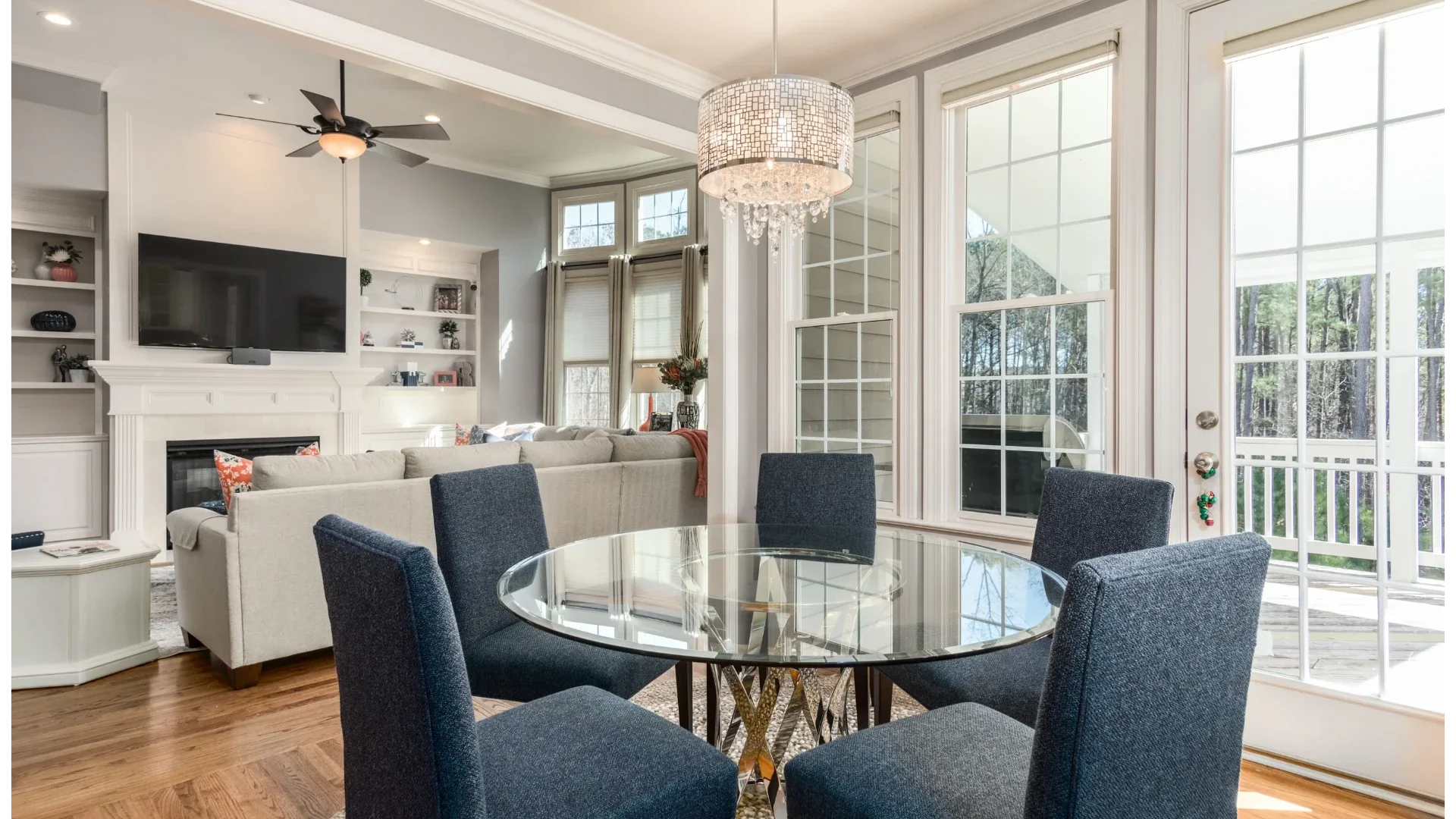
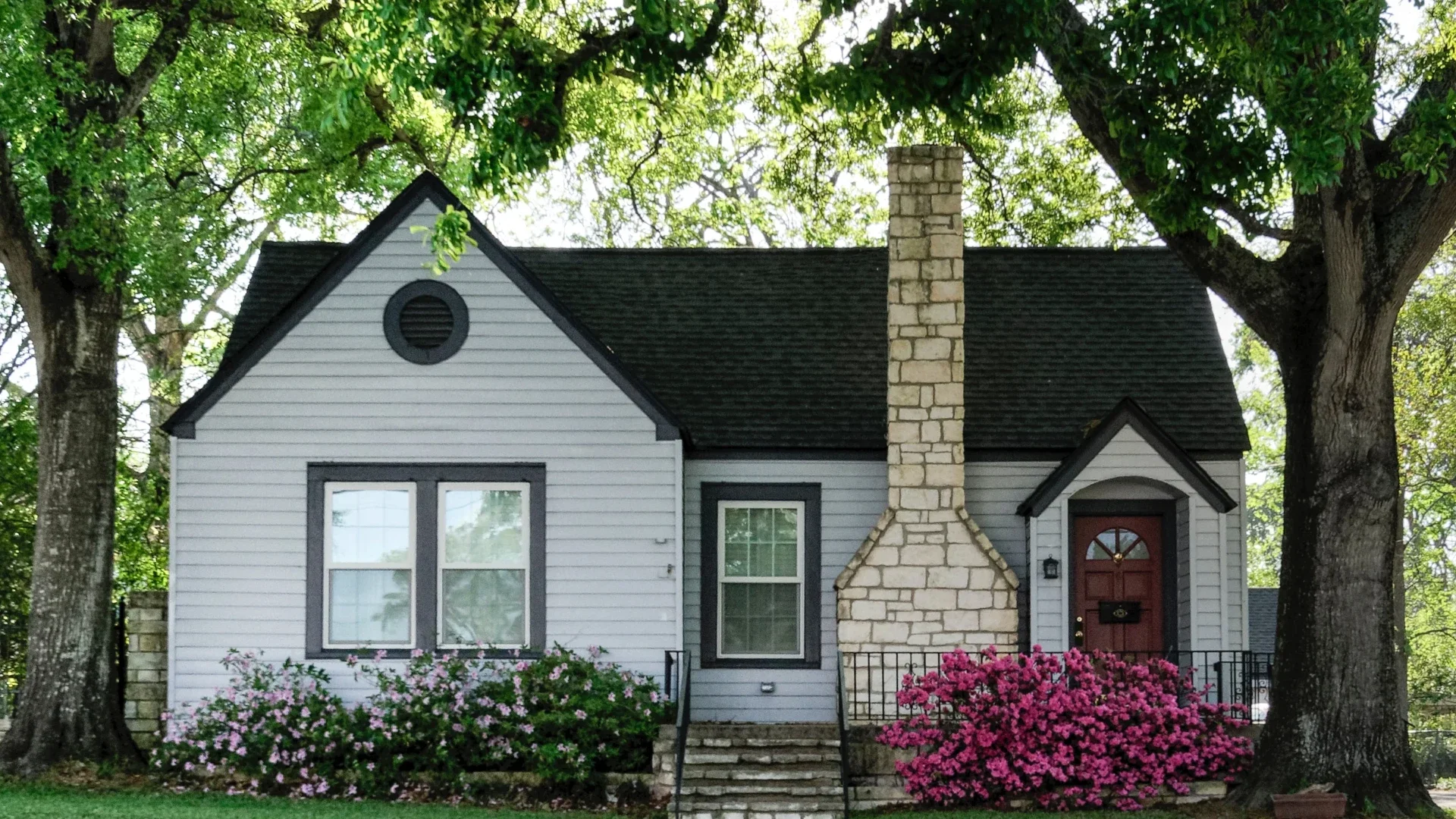
There's something deeply beautiful about a well-loved home. It's where birthdays were celebrated, holidays were hosted, children grew up, and life happened. For many homeowners, especially those who have lived in their home for 10, 15, even 20+ years, the house becomes more than a property. It becomes part of the family story. And that emotional connection matters. But here's the conversation many homeowners avoid having: Is your home still serving your life and your financial goals the way it should? As a South Florida REALTOR® and renovation-minded real estate professional, I often walk into homes in Miramar, Pembroke Pines, and across Broward County that have incredible bones, strong neighborhoods, and years of built-up equity… but also years of deferred updates, layout limitations, and safety concerns that quietly reduce market value. The hidden cost isn't just cosmetic. It's financial. When Comfort Becomes Costly When you've lived in a home for a long time, it's harder to notice the things buyers see right away: Dated kitchens and bathrooms Worn flooring An aging roof or HVAC system Poor lighting Inefficient layouts Deferred maintenance These issues feel normal because you've adapted to them over time. But in today's market, buyers compare your home to beautifully updated listings online before they ever step inside. Sometimes the difference between multiple strong offers and sitting on the market comes down to strategic preparation. Not perfection. Strategy. Not sure what buyers would flag in your home? See 6 Tell-Tale Ways to Identify an Outdated Home. The South Florida Factor: Roofs, Insurance, and Inspections In South Florida, some "hidden costs" aren't hidden from buyers at all. They show up in the inspection and the insurance quote. Roof age: Insurers look closely at older roofs. An aging roof can make a home harder or more expensive for a buyer to insure, and that affects your offers. Older systems: Older homes often need a 4-point inspection (roof, electrical, plumbing, HVAC) before a buyer can get insurance. Outdated electrical panels or plumbing can stall a sale. Windows and doors: Buyers increasingly expect impact windows, or at least solid hurricane protection. Knowing where your home stands before you list lets you fix what matters or price for it, instead of being surprised during negotiations. Learn more in 6 Strategies to Save on Home Insurance Premiums and Rainy Season Is Exposing Roof Problems in Pembroke Pines and Miramar. The Equity Opportunity Many Homeowners Miss One of the biggest mistakes I see is homeowners underestimating how much value small, intentional improvements can create. I'm not talking about gutting the entire house. Often, simple updates can dramatically improve both function and perceived value: Fresh interior paint Updated light fixtures Decluttering and space planning Landscaping and curb appeal Minor kitchen and bath refreshes Staging or digital staging These strategic moves help buyers connect emotionally with the space and justify stronger offers. A well-positioned home often sells faster and with less negotiation. That means more equity stays in your pocket. For easy wins, see 7 Weekend Projects to Boost Your Property Value and Stage to Sell: 7 Proven Steps to Attract Buyers and Boost Offers. A Florida Tax Note for Long-Time Owners If you've been homesteaded for years, Florida's Save Our Homes cap has likely kept your property taxes well below what a new buyer would pay. That's one reason some long-time owners hesitate to move. But through portability, you may be able to transfer up to $500,000 of that tax benefit to your next Florida homestead if you buy within three years. For many homeowners, that changes the math on downsizing or moving. Talk with your property appraiser's office or a tax professional about your situation. It's Not About Changing Your Story This part is important. Preparing a well-loved home for sale is not about erasing its story. It's about honoring everything the home has been while preparing it for its next chapter. I love helping homeowners see the hidden potential in the spaces they've lived in for years. Sometimes it just takes a fresh set of eyes to find where value is being left on the table. The goal is simple: Maximize functionality, safety, presentation, and profit. That's the heart of my Eden Styled-to-Sell System. Before You Decide to Sell, Ask Yourself This If you've been in your home for 10+ years, ask: What would a buyer notice in the first 30 seconds? The answer often reveals where the opportunity is. Sometimes the best investment isn't a major renovation. Sometimes it's simply knowing what to update, what to leave alone, and how to present the home to attract the right buyer. That's where strategy makes all the difference. Still deciding whether to update, move, or both? Read Renovate or Relocate? 3 Questions To Help You Decide. Your Home May Be More Valuable Than You Think If you've been wondering what your home is worth in today's market, and whether a few updates could significantly improve your return, I'd love to help you explore your options. Find out what your home is worth or book a free seller consultation. This article is for informational purposes only and is not financial, legal, or tax advice.

Read More

Home Buyers

5 Roadblocks to Affordable Homeownership (And Ways to Move Past Them)

Apr 01, 2025

Dreaming of a new home but feeling priced out? You're not alone. According to a Bankrate survey, 78% of aspiring homebuyers say affordability is their biggest obstacle.[1] Home prices have climbed significantly since the pandemic, and higher mortgage rates have pushed monthly payments up too.[2] Here in South Florida, buyers also face insurance costs, HOA fees, and property taxes that can stretch a budget even further. But homeownership is still within reach for many buyers. Here are five common roadblocks, and practical ways to get past them. Roadblock #1: "I Don't Have Enough Saved for a Down Payment" Many buyers think they need 20% down. In reality, some conventional loans require as little as 3% down, and there are programs that can help even more. Down Payment Assistance (DPA) Programs DPA programs offer grants, forgivable loans, and low-interest loans to help with the down payment and closing costs. Many are for first-time buyers, but some are open to repeat buyers too.[3][4] In Florida, assistance may be available through the Florida Housing Finance Corporation, Broward County, and some local cities. Funding and rules change often, so check what's open now. Contact me and I'll help you find programs you may qualify for. Take a homebuyer education class. Many down payment assistance programs require buyers to complete a HUD-approved homebuyer education course. I know these classes well: I've taught first-time homebuyer presentations as part of the 8-hour, HUD-approved homebuyer course through the Housing Foundation of America here in Broward, on Zoom. The class covers budgeting, credit, the loan process, and what to expect at closing. It's one of the best first steps you can take, and I highly recommend it. 0% Down Government-Backed Loans[5] VA loans: For eligible service members, veterans, and certain surviving spouses. No down payment required, though there's usually a funding fee.[6] USDA loans: For low- to moderate-income buyers in eligible rural areas. Most of urban Broward County isn't eligible, but some areas farther out may be.[7] Gifts from Family About 25% of first-time buyers in 2024 used a gift or loan from family or friends toward their down payment.[8] More Baby Boomers are also choosing to share some inheritance early.[9] Just follow your lender's rules for documenting gift funds.[10] Your Existing Home Equity If you already own a home, you may have more equity than you realize.[11] That equity can become your next down payment. Find out what your home is worth. Roadblock #2: "I Can't Afford the Monthly Payment" Consider Other Loan Types Adjustable-rate mortgages (ARMs) and hybrid loans can offer a lower starting rate.[12][13] They can make sense if you plan to sell or refinance before the rate adjusts, but make sure you understand the risks. Buy Down Your Rate Discount points let you pay upfront to lower your interest rate for the life of the loan.[14] In some cases, a motivated seller will pay for points or give other concessions, and I can help you negotiate that. Ask About Seller Financing or an Assumable Mortgage[15] Seller financing: The seller acts as the lender, sometimes with flexible terms. Assumable mortgage: You take over the seller's existing loan, possibly at a lower rate. FHA and VA loans are often assumable. Most conventional loans are not. Co-Buy with Family or Friends More buyers are teaming up with family or friends to share costs.[16] See Multigenerational Home Buying: How to Find a Home That Fits Your Whole Family. Buy a Home with Income Potential A duplex, a permitted in-law suite, or a room to rent can help cover your mortgage. Always check HOA rules first. See Income Properties Are Trending, But Is Landlord Life for You? South Florida tip: Get insurance quotes early. A home with a newer roof and impact windows can cost much less to insure, and that can change what you can afford. See 6 Strategies to Save on Home Insurance Premiums. Roadblock #3: "I Can't Qualify for a Mortgage" Boost Your Credit Score A higher score usually means a lower rate and more options.[17] Pay bills on time, pay down balances, and check your credit report for errors. Don't open or close accounts, or take out new loans, before you buy. Lower Your Debt-to-Income Ratio Lenders compare your monthly debt payments to your gross monthly income.[18] Paying down a car loan or credit cards leaves more room for a mortgage. Consider an FHA Loan FHA loans are designed for buyers with smaller savings or lower credit scores:[19] 3.5% down with a credit score of 580+, or 10% down with 500–579 Upfront mortgage insurance of 1.75%, plus annual mortgage insurance The home must meet FHA property standards during the appraisal Loan limits vary by county Add a Co-Signer A co-signer with stronger credit or income can help, but make sure everyone understands the responsibility. Roadblock #4: "I Can't Find a Home in My Price Range" Low inventory is frustrating,[20] but flexibility helps. Widen your search. Prices can change a lot from one neighborhood to the next.[21] I can show you areas across Miramar, Pembroke Pines, and nearby cities you may not have considered. Revisit your must-haves. Could you buy a home with one bathroom and room to add a second later? Small compromises can save tens of thousands. Consider a fixer-upper. Homes that need TLC often cost less, and you can update them your way.[22] This is where my renovation background helps. I can help you spot homes with real potential, estimate what updates might cost, and connect you with reliable contractors. One South Florida caution: older homes with an aging roof or outdated electrical system can be hard to insure, so we'll check that before you commit. See 6 Tell-Tale Ways to Identify an Outdated Home. Roadblock #5: "I'm Overwhelmed by the Process" Buying a home can feel like a maze, but you don't have to do it alone. Here's how I help: Find the right home faster: I narrow down homes that fit your budget and lifestyle and flag new and coming-soon opportunities. Navigate financing: I help you find assistance programs, explain loan options, and connect you with reputable lenders. Get the best deal: I negotiate price, repairs, and seller concessions, and identify hidden costs like HOA fees and insurance. Handle inspections and closing: I help you understand inspection reports and keep the lender, appraiser, and title company on track. Keep supporting you afterward: I share contractor referrals, advice on smart upgrades, and market updates whenever you need them. "She is not only knowledgeable and responsive, with a warm personality, she actually genuinely cares about her clients. She does the hard work and never pressures you to exceed your budget or compromise on your wish list. If we could give her 10 stars, we would." — Deborah K., Home Buyer ⭐⭐⭐⭐⭐ Turn Roadblocks into Stepping Stones Every one of these challenges can be overcome with the right plan and the right guidance. Stay informed, explore your options, and work with professionals who have your back. Ready to start? Book a free buyer consultation or visit Buy With Natiesha. First-time buyer? Start with 5 Easy Steps to Buying Your First Home. This article is for informational purposes only and is not financial, legal, or tax advice. Loan programs and requirements change. Consult a qualified lender. Sources Bankrate: Home Affordability Report NerdWallet: 2025 Home Buyer Report Bankrate: First-Time Homebuyer Grants Down Payment Resource Bankrate: Types of Mortgages Bankrate: VA Loans Bankrate: USDA Loans NAR: Profile of Home Buyers and Sellers Business Insider Experian: Down Payment Gift Rules Bankrate: Home Equity Data NerdWallet: ARMs LendingTree: Hybrid Mortgages Investopedia: Discount Points LendingTree: Owner Financing NAR: Multigenerational Home Buying CFPB: Credit Reports and Scores NerdWallet: Debt-to-Income Ratio Bankrate: FHA Loans Bankrate: Housing Shortage Realtor.com: Cheaper Alternative Neighborhoods This Old House: Buying a Fixer-Upper

Read More
Homeowners Investors

Home-Related Tax Deductions

Mar 04, 2025

Tax season. Just the words can send shivers down your spine. But if you're a homeowner, there's a silver lining: potential savings! You probably know you can deduct mortgage interest, but there are many other ways homeowners can lower their tax bill. Before you file, read on for the most common home-related tax deductions and credits, who qualifies, and how to get the most out of them. 2025 Tax Law Update: The One Big Beautiful Bill Act, signed July 4, 2025, changed several rules covered in this post: SALT cap raised: The cap on state and local tax deductions rose from $10,000 to $40,000 for tax years 2025–2029, for households with incomes under $500,000. It phases down for higher earners. Standard deduction raised: For 2025, it's $15,750 (single), $23,625 (head of household), and $31,500 (married filing jointly). Mortgage interest limit made permanent: The $750,000 limit no longer expires. Mortgage insurance (PMI) is deductible again starting in 2026, treated as mortgage interest. Energy credits ended: The Energy Efficient Home Improvement Credit and the Residential Clean Energy (solar) Credit are not available for purchases made after December 31, 2025. Always confirm current rules with a tax professional.[16][17] The Basics Tax Deductions vs. Tax Credits Deductions lower your taxable income. If you earn $50,000 and claim $5,000 in deductions, you're taxed on $45,000. Credits lower your tax bill directly. If you owe $10,000 and claim a $2,000 credit, you now owe $8,000. Itemizing vs. the Standard Deduction The standard deduction is a fixed amount you can subtract no matter what you actually spent. Itemized deductions are specific expenses, like mortgage interest, property taxes, and charitable donations. You choose one or the other. Generally, you'll itemize only if your itemized deductions add up to more than the standard deduction. Most home-related deductions only help if you itemize. Standard deduction amounts for 2025, as originally announced by the IRS:[1] Single or married filing separately: $15,000 Head of household: $22,500 Married filing jointly: $30,000 These amounts were later raised. See the update box above. Pro tip: Keep detailed records of every potentially eligible expense. It makes tax time easier and helps make sure you don't miss anything. Key Home-Related Deductions and Credits 1. Mortgage Interest Deduction You can deduct interest on a mortgage used to buy, build, or improve your primary residence or a second home.[2] Limit: Interest on the first $750,000 of mortgage debt, or $375,000 if married filing separately.[3] Requirements: The home must secure the loan (standard for mortgages) and must have sleeping, cooking, and toilet facilities. Second homes you rent out: You must personally use the home for more than 14 days, or more than 10% of the days it's rented, whichever is longer. Your lender sends you Form 1098 each year showing the interest you paid.[4] Because of amortization, you pay more interest in the early years of a loan. For example, if you're married filing jointly and your Form 1098 shows $25,000 in mortgage interest, you can deduct the full $25,000 if you itemize. 2. Property Taxes You can deduct property taxes on your primary residence and second home, with some limits:[5] Only general property taxes count. Special assessments for improvements that benefit your property, and fees for services like trash pickup, are not deductible, even if they're on the same bill. The SALT cap applies to property taxes plus state income or sales tax combined.[6] See the update box for the new, higher limit. Deduct what was actually paid to the tax collector, not what went into escrow. Your Form 1098 usually shows this amount.[7] Florida note: Florida has no state income tax, so Florida homeowners can choose to deduct state and local sales tax along with property taxes, within the cap. Also, apply for Florida's Homestead Exemption on your primary residence by March 1. It lowers your property tax bill itself. 3. Home Equity Loan and HELOC Interest Interest on a home equity loan or HELOC is deductible only if the money is used to buy, build, or substantially improve the home that secures the loan.[3] Using it for a car, a vacation, or paying off debt generally doesn't qualify. "Substantial improvements" include things like an addition, a full kitchen remodel, or a new roof. Painting or new cabinets usually don't count.[8] Home equity debt also counts toward the same $750,000 total limit as your mortgage. 4. Home Improvements and Your "Cost Basis" You usually can't deduct home improvements directly.[9] But capital improvements, projects that add value, like a new roof, an addition, or impact windows, are added to your home's cost basis.[10] A higher basis means a lower taxable gain when you sell. Some home office expenses and certain medical or accessibility modifications may also be deductible, subject to specific rules.[11] 5. Energy-Efficient and Clean Energy Credits For 2024 and 2025, homeowners could claim:[12][13] Energy Efficient Home Improvement Credit: 30% of qualifying costs, up to $3,200 a year, with separate limits for items like windows and doors Residential Clean Energy Credit: 30% of the cost of solar and other renewable energy systems Important: Both credits ended for purchases made after December 31, 2025. See the update box above. Selling Your Home and Taxes Your capital gain is roughly your sale price minus your adjusted cost basis: what you paid, plus capital improvements, plus certain selling costs. Example: You bought your home for $200,000 and added a kitchen remodel ($30,000), a new roof ($15,000), and landscaping ($5,000). Your adjusted basis is $250,000. If you sell for $350,000, your gain is about $100,000. The Home Sale Exclusion If you owned and lived in the home as your primary residence for at least 2 of the 5 years before the sale, you can exclude up to:[14] $250,000 of gain if single $500,000 if married filing jointly That means many homeowners owe no capital gains tax when they sell their primary home. For long-time South Florida homeowners: If you've owned your home for 15 to 25 years, your gain may be larger than you think. Keeping records of past improvements matters, because they raise your basis and lower your taxable gain. See The Hidden Cost of Living in a "Well-Loved" Home Too Long. Record-Keeping Tips Keep mortgage statements, property tax bills, closing documents, and receipts and permits for every improvement.[15] Save both physical and digital copies. Keep home records for as long as you own the home, plus at least three years after you file the return for the year you sell. Bottom Line Owning a home comes with real tax advantages, from mortgage interest and property taxes to the home sale exclusion. Tax laws change, as 2025 showed, so always talk with a qualified tax professional about your situation. Thinking about buying, selling, or improving your home? I'm happy to help, and to refer you to a trusted tax advisor. Book a free consultation or find out what your home is worth. Related reading: 4 Home Remodeling Projects with the Highest ROI Renovate or Relocate? 3 Questions To Help You Decide This information is for general guidance only and is not tax, legal, or financial advice. Tax laws change. Consult a qualified tax professional about your situation. Sources IRS: 2025 Inflation Adjustments NerdWallet: Mortgage Interest Deduction IRS Publication 936 IRS: Form 1098 IRS: Real Estate Taxes FAQ IRS Topic 503: Deductible Taxes TurboTax: Claiming Property Taxes Bankrate: Home Equity Loan Tax Changes U.S. News: Are Home Improvements Tax Deductible? IRS Publication 523 Nolo: Tax-Deductible Home Improvements U.S. News: Climate Tax Breaks IRS: Energy Efficient Home Improvement Credit Bankrate: Capital Gains Tax on Real Estate Nolo: Keeping Home Improvement Records H&R Block: One Big Beautiful Bill and Homeowners Tax Foundation: One Big Beautiful Bill Act FAQ

Read More
Home Buyers Homeowners Investors Home Sellers

4 Home Remodeling Projects with the Highest ROI

Feb 14, 2025

Ask any homeowner what they'd like to change about their home, and most will say, "How much time do you have?" Home improvements (cue Tim Allen) happen for all kinds of reasons: getting ready to sell, making room for a growing family, updating outdated features, or fixing structural or functional problems. But many people assume a remodel will increase their home's value by at least what they spent. Few consider the full return on investment (ROI): not just resale value, but the total cost in time, labor, and materials. Some renovations pay you back in quality of life, with more comfort and beauty but little effect on resale. Others deliver real financial returns. As a REALTOR® with a renovation background, I help homeowners tell the difference. Whether you want to upgrade your living space, build equity, or boost your sale price, here are the four remodeling projects with the highest ROI, plus how they apply to South Florida homes. Where These Numbers Come From The figures below come from the 2024 Cost vs. Value Report by Zonda Media, a respected research firm in real estate and construction.[1] The report uses national averages for materials and labor, so actual costs and returns vary by region. In South Florida, hurricane building codes and insurance play a big role, as you'll see below. 1. Garage Door Replacement Job cost: $4,513 Resale value: $8,751 ROI: 193.9% Replacing an old garage door is one of the simplest ways to dramatically boost curb appeal, and it delivers the highest ROI of any remodeling project in the report. A garage door takes up a large part of the front of your home, so a sleek new one makes the whole exterior look fresher. Top-performing styles include insulated steel doors with modern panels, carriage-style doors, and doors with windows or decorative hardware. South Florida advantage: In Broward and Miami-Dade, replacement garage doors must meet hurricane wind-load codes. A wind-rated garage door protects one of the weakest points of your home during a storm, and it can count toward wind mitigation insurance discounts. That's value beyond resale. Learn more in Master Investor Series 3 of 5 | Hurricane-Resistant Upgrades. 2. Steel Entry Door Replacement Job cost: $2,355 Resale value: $4,430 ROI: 188.1% A new entry door is a simple change with a big impact on looks and energy efficiency. Steel doors cost less than wood and hold up well. Why it works: Budget-friendly curb appeal: A similar look to wood at a lower price. Energy efficiency: Insulated cores help keep your home cool and lower energy bills. Security: Steel doors are harder to break into. South Florida tip: Choose an impact-rated door approved for our hurricane zone. Your contractor should pull a permit. Many homeowners here also choose fiberglass doors, which resist humidity and don't dent. And check your HOA before changing the door style or color. 3. Manufactured Stone Veneer Job cost: $11,287 Resale value: $17,291 ROI: 153.2% Manufactured stone veneer (MSV) is a lightweight material that mimics natural stone. It adds texture and an upscale look at a moderate cost. Why it works: Strong visual impact: It adds depth and elegance to a home's exterior. Durability: It's lighter and easier to install than natural stone. Perceived value: It gives the home an air of luxury and craftsmanship. Pro tip: Use stone veneer as an accent, around the entry or along the lower part of the front of the home, for maximum impact without overspending. South Florida note: Most homes here are stucco, so a stone accent can really stand out. But proper installation is critical in our rainy climate to prevent water getting behind it. Use an experienced, licensed installer, and get HOA approval first. 4. Minor Kitchen Remodel (Midrange) Job cost: $27,492 Resale value: $26,406 ROI: 96.1% According to HomeLight's Top Agent Insights End of Year 2024 Report, 88% of agents say upgraded kitchens and appliances are one of the best selling points for a home.[2] The key to kitchen ROI is balance: what you upgrade, the quality of materials, and whether you keep the existing layout. For example, you can make a big impact for less by keeping your cabinet boxes and upgrading the doors and hardware. Strike the right balance, and you can recoup most of your investment. Plus, an updated kitchen helps your home stand out and sell faster. Why it works: High buyer interest: Kitchens are the focal point for most buyers. Smart midrange choices: Quartz countertops, midrange stainless appliances, and refaced or painted cabinets keep costs manageable. Same layout, lower cost: Avoiding structural changes keeps the budget in check. South Florida tip: Many homes in Miramar and Pembroke Pines still have original kitchens from the '80s and '90s. A midrange refresh can move a home from "needs work" to "move-in ready" in buyers' eyes. See 6 Tell-Tale Ways to Identify an Outdated Home. Key Takeaways for Homeowners Seven of the ten best-ROI projects in the report are exterior improvements. The message is clear: cost-effective curb appeal gives you the best return if you're thinking about selling. Here's why. During the post-pandemic frenzy, buyers took whatever they could find. Now there's more inventory and more choice. With higher interest rates, many of today's buyers are move-up buyers with equity, and they can afford to be pickier. Homes that make a strong first impression win. On the other hand, the lowest-ROI projects are major remodels and upscale materials. Moving walls or adding square footage costs more and returns less, unless you're a contractor, a skilled DIYer, or in a market where high-end finishes are the norm. Before you start any project: Get multiple bids and verify licenses. See 7 Mistakes to Avoid When Hiring a Contractor. Pull permits and get HOA approval. Ask a local expert which upgrades buyers in your neighborhood actually pay for. Get a Plan Before You Renovate The best project is the one that fits your home, your neighborhood, and your goals. With my renovation background and local market knowledge, I'll help you focus on the upgrades that deliver real returns, and skip the ones that don't. Thinking about selling? My Eden Styled-to-Sell System shows you exactly what to update before you list. Book a free consultation or find out what your home is worth. Related reading: 7 Weekend Projects to Boost Your Property Value Renovate or Relocate? 3 Questions To Help You Decide 6 Strategies to Save on Home Insurance Premiums This article is for informational purposes only and is not financial, legal, or tax advice. Costs and returns vary by market and project. Sources Zonda / JLC: 2024 Cost vs. Value Report HomeLight: Top Agent Insights End of Year 2024

Read More
Home Sellers Homeowners Home Buyers Investors

Experts Predict Home Values to Increase 1.5% to 3.6% in 2025.

Jan 07, 2025

What will mortgage rates, home values, and the housing market do in 2025? Here's what top housing experts and economists are predicting, and what it means for homeowners, buyers, and sellers here in South Florida. Key Takeaways Mortgage rates are forecast to stay "higher for longer," but there are steps you can take to lower your rate. Home values are expected to rise modestly nationwide, and certain projects can increase your home's value. The national market slightly favors sellers, but real estate is local, and conditions can favor buyers or sellers depending on the neighborhood and property type. Note: Real estate is dynamic, and forecasts will change as the year unfolds. Mortgage Rates Expected to Average About 6.4% in 2025 The average 30-year mortgage rate peaked at 7.79% in 2023, then eased in 2024. So what's next? The Federal Reserve is expected to keep lowering its benchmark rate, but the Fed doesn't set mortgage rates directly, so mortgage rates may not fall much (National Association of REALTORS®). Both Fannie Mae and the Mortgage Bankers Association forecast 30-year mortgage rates to average about 6.4% in 2025. MBA's forecast runs slightly higher through the year. Will Rates Go Back to 3%? Very unlikely. The pandemic-era lows were historic exceptions. Even after the housing crisis and Great Recession, 30-year rates mostly ranged between 4% and 6%. How to Get a Better Rate You can't control the national average, but you can control your own credit profile, and it makes a real difference. Borrowers with higher credit scores typically qualify for noticeably lower rates, according to myFICO. Talk to a lender early. The sooner you start, the more time you have to improve your credit. Pay down balances and keep your credit card use low. Avoid opening new credit before you apply for a mortgage. Compare offers from several lenders. Need a trusted lender? Send me a message and I'll share my recommendations. Home Values Expected to Rise 1.5% to 3.6% Since 2020, the average U.S. home sale price has risen about $97,000, or 29.7%, according to the Federal Reserve Bank of St. Louis, a strong reminder that homeownership builds wealth. For 2025, price growth is expected to slow but stay positive: Fannie Mae: +3.6% Mortgage Bankers Association: +1.5% But home values are local. In South Florida, trends can differ sharply by city, neighborhood, and property type. For example, heading into 2025, many South Florida condo markets were seeing more inventory as buildings dealt with Florida's new condo safety requirements and rising association costs, while well-kept single-family homes in established neighborhoods stayed in demand. Want to increase your home's value? See 4 Home Remodeling Projects with the Highest ROI and 7 Weekend Projects to Boost Your Property Value. Will Home Values Crash in 2025? A major price drop would require a flood of homes hitting the market. Instead, Freddie Mac estimates the U.S. is 3.7 million housing units short of what's needed to meet demand. Building enough to close that gap will take years, so a nationwide crash is unlikely. Will 2025 Be a Buyer's or Seller's Market? One of the best ways to measure the market is months' supply: the number of homes for sale divided by the number sold each month. For example, if 500 homes are for sale and 100 sell each month, that's 5 months of supply. About 6 months: a balanced market More than 6 months: a buyer's market Fewer than 6 months: a seller's market Nationally, months' supply is running around 4 months, so the market slightly favors sellers. But inventory is rising, which could shift things toward buyers. Locally, it depends. A single-family home in Pembroke Pines and a condo in an older building can be in completely different markets. Ask me whether your neighborhood and property type currently favor buyers or sellers. What This Means for Homeowners You'll likely see a modest increase in your home's value. If you want to boost it further, and enjoy the upgrades while you're there, strategic improvements can help. As a renovation-savvy REALTOR®, I can tell you which projects are most likely to pay off in your neighborhood. If you've owned your home for many years, read The Hidden Cost of Living in a "Well-Loved" Home Too Long. Tips for Home Buyers The sooner you start planning, the better: Know your price range, including taxes, insurance, and HOA fees Improve your credit to get the best rate Build your down payment and reserves Talk to a REALTOR® early, even if you plan to buy in 12–24 months First-time buyer? Start with 5 Easy Steps to Buying Your First Home. Tips for Home Sellers Get clear on your priorities first: Is top dollar your main goal? Do you need to move by a specific date? Do you need to sell before you buy? Your answers shape your pricing, preparation, and marketing strategy. My Eden Styled-to-Sell System helps you prepare and position your home to stand out, whatever the market is doing. Thinking about making a move? Book a free consultation for a local market update and a personalized plan. This article is for informational purposes only and is not financial, legal, or tax advice. Forecasts are estimates and may change. Sources National Association of REALTORS®: 2024 Economic Forecast Slides Fannie Mae Housing Forecast, November 2024 Mortgage Bankers Association Forecast, November 2024 FRED: 30-Year Mortgage Rates FRED: Months' Supply of Houses Freddie Mac: Housing Shortage JLC: 2024 Cost vs. Value Report

Read More
Investors

Unlock the Power of 1031 Exchanges at Our Real Estate Investors Roundtable!

Dec 09, 2024

Looking to grow your real estate portfolio, reduce taxes, and maximize your returns in 2025? Join us for a dynamic discussion at the Real Estate Investors Roundtable (REI Roundtable) focused on 1031 exchange strategies. What You Can Expect Expert insights: Learn from industry professionals how to navigate 1031 exchanges and use them to build long-term wealth. Actionable strategies: Get tips on choosing the right replacement properties, timing your exchange, and avoiding common pitfalls. A collaborative environment: Network with experienced and aspiring investors, and share ideas and strategies. Interactive Q&A: Get your questions answered by experts and swap advice with peers. Whether you're a seasoned pro or new to investing, this event is designed to give you the knowledge and connections you need to succeed. Event Details Date: Thursday, December 19, 2024 Time: 10:00 AM Location: Presidential Circle, 4000 Hollywood Blvd, Hollywood, FL Seating: Limited 1031 Exchange Basics: What Every Investor Should Know Can't make a roundtable? Here's a quick overview of how 1031 exchanges work. What Is a 1031 Exchange? A 1031 exchange, named after Section 1031 of the Internal Revenue Code, lets you sell an investment property and reinvest the proceeds in another "like-kind" investment property while deferring capital gains taxes. Instead of paying taxes when you sell, you roll your full equity into your next property and keep it working for you. Why Investors Love It Defer capital gains taxes, and depreciation recapture, on the sale Keep more equity working to buy a larger or better property Trade up or reposition: for example, sell a single-family rental and buy a duplex, or move from a high-maintenance property into a lower-maintenance one Build wealth over time by exchanging again and again The Key Rules Investment or business property only. Your primary residence doesn't qualify, and personal-use vacation homes generally don't either. Real estate for real estate. "Like-kind" is broader than most people think. A rental home can be exchanged for a duplex, a small commercial building, or land held for investment. 45 days to identify. You have 45 days from the sale to identify, in writing, the replacement properties you might buy. 180 days to close. You must close on the replacement property within 180 days of the sale. Use a Qualified Intermediary. You can't touch the sale proceeds. A Qualified Intermediary must hold the funds between the sale and the purchase. Reinvest it all. To defer all of the tax, you generally need to buy property of equal or greater value and reinvest all of your net proceeds. Any cash you keep ("boot") is usually taxable. Common Pitfalls Waiting until after the sale to plan the exchange Missing the 45-day or 180-day deadline. These deadlines generally aren't extended, even for weekends or holidays. Taking possession of the sale proceeds, even briefly Choosing a replacement property in a rush just to beat the deadline The bottom line: A 1031 exchange can be a powerful wealth-building tool, but it has strict rules. Always work with a qualified tax advisor and a Qualified Intermediary before you list your property. Ready to Plan Your Next Move? Whether you're planning a 1031 exchange, buying your first rental, or repositioning your portfolio, I can help you find the right replacement property in Miramar, Pembroke Pines, and across South Florida, and help you evaluate its renovation and rental potential. Master Investor Series 1 of 5 | Make Money in Your Sleep Master Investor Series 2 of 5 | Kinds of Real Estate Investment Opportunities in South Florida Want to Buy Rentals Without the Drama? Explore DSCR Loans Join the Real Estate Investors Roundtable! Book a free investor consultation: Schedule here, or visit Invest With Natiesha. This article is for informational purposes only and is not tax, legal, or financial advice. 1031 exchanges involve complex rules. Consult a qualified tax professional and a Qualified Intermediary about your specific situation.

Read More
Homeowners Home Sellers Home Buyers

Tech the Halls: Smart Home Gadgets for a Stress-Free Holiday Season

Dec 09, 2024

The holidays are a time for joy, family, and celebration, but they also bring extra responsibilities. Between decorating, hosting, and keeping up with daily life, your home can start to feel more like a never-ending to-do list than a haven. That's where smart home technology comes in. It can take care of the small tasks so you can focus on what matters most: time with loved ones. There's a bonus, too. Smart home upgrades can add value and appeal to your home. According to the National Association of REALTORS®, 77% of buyers are interested in smart homes, and smart technology can increase a home's resale value by up to 5%.[1] So whether you're thinking about selling or just want to enjoy your home this season, here are the best smart home solutions to simplify the holidays, with a few extra tips for South Florida homes. Note: Product picks were current as of December 2024. Models and prices change often, so check reviews before buying. Entertaining Made Easy 1. Digital Recipe Help in the Kitchen Skip the stained recipe cards. Smart displays walk you through recipes step by step, build grocery lists, and set multiple timers hands-free. High-end: Google Nest Hub Max, which offers step-by-step recipe guidance from Google Assistant Mid-range: LG 27" Smart TV with Countertop Design, for watching cooking shows or pulling up recipes in the kitchen Budget: Amazon Echo Show 8, which offers recipe help in a compact, affordable package 2. Set the Mood with Smart Lighting Control color, brightness, and warmth from your phone or with your voice. High-end: Philips Hue Play HDMI Sync Box, which syncs your lights to what's on the TV for movie nights Mid-range: Lutron Caséta smart dimmers and bridge, which let you dim the whole house with one tap Budget: Govee smart bulbs, an easy entry point that works with Alexa and Google 3. Fill the House with Music High-end: Bose Smart Speaker 500, with room-filling sound and Alexa and Google built in Mid-range: Amazon Echo Studio, great sound for Alexa households Budget: Google Nest Mini, affordable voice-controlled music Traditions with a Twist 1. Holiday Movie Nights Turn any room, or your patio, into a home theater. In South Florida, December evenings are perfect for an outdoor movie night! High-end: Epson Home Cinema LS11000, a 4K laser projector with cinema-quality performance Mid-range: Samsung The Freestyle (2nd Gen), a portable projector that focuses and levels itself automatically Budget: Vankyo Performance V700W, a portable 1080p projector for indoor or outdoor use 2. Smart Plugs for Easy Decorating No more crawling behind furniture to plug in the tree. Control decorations from your phone and set schedules. High-end: Meross Smart Power Strip, with individually controlled outlets plus USB ports Mid-range: Enbrighten Wi-Fi Smart 2-Outlet Plug Budget: Kasa Smart Plug Ultra Mini 3. Smart Outdoor Lighting Light up the neighborhood, palm trees included, with app-controlled color and effects. High-end: Govee Permanent Outdoor Lights, installed once and enjoyed for every holiday year-round Mid-range: Twinkly Icicle Lights Budget: App-controlled smart string lights South Florida tips: Choose lights rated for outdoor use to handle our rain and humidity, and use weatherproof outdoor outlets and covers. Check your HOA before installing permanent exterior lighting. Many communities require approval for exterior changes, and some have rules about holiday display timing. Simplified Home Management 1. Robot Vacuums Let a robot handle the cookie crumbs and wrapping-paper scraps. High-end: iRobot Roomba Combo j9+, which vacuums and mops with smart obstacle avoidance Mid-range: Roborock Q5 Max+, which is customizable and empties itself Budget: Shark ION Robot, simple and effective for everyday dirt and pet hair 2. Smart Video Doorbells The holidays bring more visitors and more deliveries. Keep an eye on your door from anywhere. High-end: eufy Video Doorbell Dual, with a wide view that also watches for packages Mid-range: Google Nest Doorbell, with package detection and quick replies Budget: Arlo Video Doorbell, with a wide field of view. Some features require a subscription. 3. Protect Your Home While You Travel Unfortunately, break-ins tend to rise during the holidays. These tools help protect your home whether you're home or away. High-end: Ring Alarm Pro, a full security system with optional professional monitoring Mid-range: abode Smart Security Kit, which works with all major smart home systems Budget: August Wi-Fi Smart Lock, which fits over your existing deadbolt and lets you give trusted guests access South Florida Smart Home Must-Haves These upgrades matter even more in our climate, all year long: Smart thermostat: If you travel for the holidays, don't turn the AC off completely. Florida humidity can lead to mold and mildew in a closed-up home. A smart thermostat lets you set a safe temperature and check on it from anywhere. Water leak sensors and automatic shutoff valves: Water damage is one of the most common and costly homeowner insurance claims. Some insurers offer discounts for leak-detection systems. See 6 Strategies to Save on Home Insurance Premiums. Smart cameras and sensors give you peace of mind during hurricane season or long trips. Enjoy a Smarter Holiday Season Smart home technology can make the holidays more relaxing, and it can be a smart investment in your home's future value. From security to energy-efficient lighting, these upgrades make life easier today and can make your home more appealing to buyers tomorrow. Curious which upgrades will add the most value to your home? As a renovation-savvy REALTOR®, I can help you focus on the improvements buyers in Miramar and Pembroke Pines actually want. Book a free consultation or find out what your home is worth. Related reading: 7 Weekend Projects to Boost Your Property Value Stage to Sell: 7 Proven Steps to Attract Buyers and Boost Offers Happy holidays from my family to yours! This article is for informational purposes only and is not financial, legal, or tax advice. Product mentions are not paid endorsements. Sources National Association of REALTORS®: Smart Homes

Read More
Investors Homeowners Home Buyers

Multigenerational Home Buying: How to Find a Home That Fits Your Whole Family

Nov 04, 2024

Multigenerational Home Buying: How to Find a Home That Fits Your Whole Family More families are choosing to live under one roof: parents, grown children, grandparents, and sometimes extended relatives. According to Pew Research, a record 18% of Americans lived in multigenerational households in 2021, nearly four times the share in 1971.[1] And the National Association of REALTORS® reports that 17% of homebuyers bought a multigenerational home in the past year, the highest share on record.[2] Here in South Florida, that's no surprise. Our communities are diverse, multicultural, and family-centered, and for many families, living together is simply how it's always been done. Rising home prices, childcare costs, and caring for aging parents have made it even more appealing. But finding a home that truly works for more than one generation takes planning. Here's what to look for, and what to check before you buy, build, or add on. Why Families Are Choosing Multigenerational Living Shared costs: Pooling resources can make a larger or better-located home affordable. Caring for aging parents: Keep loved ones close without giving up everyone's independence. Built-in childcare: Grandparents helping with the kids is a win for everyone. Adult children: Young adults saving for their own home can build their savings faster. Culture and connection: For many South Florida families, living together is a tradition and a joy. What to Look For in a Multigenerational Home The best multigenerational homes give everyone togetherness and privacy. Look for: A separate in-law suite or guest quarters with its own bedroom, bathroom, and ideally a private entrance Two primary suites, so no one feels like they're in the "guest room" A first-floor bedroom and full bathroom for relatives who can't handle stairs A kitchenette or second kitchen so each household can keep its own routine Accessibility features: wide doorways, a zero-step entry, a walk-in shower, and grab bars, or the potential to add them Enough parking for multiple drivers. Check HOA parking rules; many communities limit vehicles. Separation between living areas, like a split floor plan, so noise and schedules don't collide South Florida's Hidden Gem: The Mother-in-Law Suite Here's something many buyers don't realize. In the older neighborhoods of Pembroke Pines and Hollywood, homes with mother-in-law suites have been popular since the 1950s. Many of these homes have a separate suite or attached efficiency, often with its own entrance, that's perfect for a parent, an adult child, or extended family. These homes are consistently popular with buyers, and they often come with larger lots and established neighborhoods, without the HOA restrictions common in newer communities. My renovation tip: Before you fall in love with an in-law suite, confirm it's permitted. Over the decades, many suites and efficiencies were added or converted without permits. Unpermitted space can cause problems with: Insurance: It may not be covered. Financing and appraisal: It may not count toward the home's value. Resale: Future buyers will ask about it. Safety: Wiring, plumbing, and structure may not meet code. I help my buyers check the permit history before they make an offer, so there are no surprises later. Building or Adding On: Check Zoning First! Can't find the perfect setup? You may be able to create one by adding a suite, converting existing space, or placing a second unit on the lot. Modular units are an interesting option. They're built in a factory, delivered to your property, and can often be finished faster than traditional construction. In Florida, modular homes are built to the Florida Building Code, and some families use them as backyard in-law units or guest cottages. But before you build, buy, or plan anything, check with the city's zoning and building department. Each city, including Pembroke Pines, Miramar, and Hollywood, has its own rules on: Whether a second unit or accessory dwelling unit (ADU) is allowed on your lot Lot size, setbacks, and how much of the lot can be built on Parking, utility connections, and separate meters or addresses Whether the unit can be rented, and to whom Permits and inspections for additions, conversions, and modular units If you're in an HOA, you'll also need association approval, and some HOAs don't allow additions or second units at all. Buying with a plan to add on? Check zoning and HOA rules before you close. This is exactly where my renovation background helps. I can help you evaluate whether a property has room, and permission, to grow with your family. Talk About Money and Ownership Early When more than one generation buys together, have honest conversations upfront: Whose name goes on the title and the mortgage? How will you split the down payment, mortgage, taxes, insurance, and repairs? What happens if someone wants to move out, or the home is sold? Estate planning: Consider meeting with a real estate or estate planning attorney to put your agreements in writing. Florida tax note: Renting part of your homestead to someone outside the family can affect your homestead exemption. Talk to the property appraiser's office or a tax professional about your situation. Finding the Right Home for Every Generation A multigenerational home isn't just a bigger house. It's a home designed for connection, privacy, and the stages of life your family is heading into. With the right property, or the right plan to create it, everyone can feel at home. I know where the in-law suites are in Pembroke Pines and Hollywood, and I know what it takes to add one the right way. Let's find a home that fits your whole family. Ready to start your search? Book a free buyer consultation, explore Pembroke Pines, or visit Buy With Natiesha. Related reading: Renovate or Relocate? 3 Questions To Help You Decide 7 Mistakes to Avoid When Hiring a Contractor Income Properties Are Trending, But Is Landlord Life for You? This article is for informational purposes only and is not financial, legal, or tax advice. Consult the appropriate professionals about your individual needs. Sources Pew Research Center: Multigenerational Households National Association of REALTORS®: 2024 Profile of Home Buyers and Sellers

Read More
Homeowners Home Sellers Investors

Stage to Sell: 7 Proven Steps to Attract Buyers and Boost Offers

Oct 02, 2024

Stage to Sell: 7 Proven Steps to Attract Buyers and Boost Offers Selling your home quickly and for the right price takes more than listing it online. To attract buyers and get top offers, your home needs to stand out, and that's where staging comes in. Staging means strategically preparing your home by decluttering, repairing, and styling it so it looks its absolute best. The numbers speak for themselves. According to the National Association of REALTORS®:[1] 81% of buyers' agents say staging makes it easier for buyers to picture themselves living in a home. 44% of agents say staging can increase a home's sale price. 48% of sellers' agents say staging reduces time on the market. You can stage your home yourself with guidance from your agent, or work with a professional stager. Either way, here are seven proven steps to turn your home into a buyer's dream, with tips for South Florida homes. Step 1: Declutter and Depersonalize Decluttering and depersonalizing can increase your sale price by 3–5%, according to a survey of real estate agents.[2] The goal is a clean, neutral canvas where buyers can picture their lives. Remember, staging isn't interior design. It's about removing personal touches, not adding them.[3] Extra furniture, family photos, and collections distract buyers and make rooms feel smaller.[4] Put away kids' toys and pet items too. Think of it as a head start on packing! If you have a lot of belongings, a storage unit can keep things tidy while your home is on the market. Step 2: Deep Clean and Repair A sparkling home makes a fantastic first impression. Deep clean every room, including baseboards, windows, and appliances. Your goal: make it look like no one has ever lived there![5] South Florida tip: Our humidity is tough on homes. Check for mildew in bathrooms, closets, and around windows and AC vents. Have the AC serviced and replace the filters, and keep the home cool and fresh-smelling for every showing. Then tackle small repairs: chipped paint, cracked or stained grout, and worn hardware. These small cosmetic fixes make a big difference in how buyers judge your home's value. Need a cleaning pro or handyman? Ask me for a referral. Step 3: Pick Up a Paintbrush Buyers may repaint later, but wall color still shapes their first impression. Soft, warm neutrals appeal to the widest range of buyers, and to the family and friends who often weigh in on the decision.[7] If you have bold colors or wallpaper, repaint before listing. Light neutrals make rooms look brighter and bigger, especially in listing photos. Painting dated kitchen cabinets white or soft gray can also modernize the space.[8] Step 4: Boost Your Curb Appeal 98% of agents say curb appeal matters for attracting buyers.[9] Pressure wash the roof, driveway, walkways, pavers, and exterior walls. In South Florida, mold and mildew build up fast. Repaint the front door in a classic shade like black. Research shows the right front door color can raise offers by thousands of dollars.[10] Check your HOA's color rules first. Tidy the landscaping: mow, edge, refresh mulch, remove dead plants, trim hedges, and add colorful, Florida-friendly plants. Even standard lawn care can bring about a 217% return on its cost.[9] Step 5: Stage the Key Rooms Focus on the rooms that matter most to buyers: the living room, primary bedroom, and kitchen.[1] Arrange furniture for an open, easy flow.[5] Don't worry about how you'd actually live in the space. This is about showing it off. Use large rugs to make rooms feel bigger, and keep artwork simple.[7] Add warmth with fresh flowers, plants, or a few colorful pillows. South Florida bonus: Stage your patio, lanai, or pool area. Buyers here are buying an outdoor lifestyle too. A clean seating area with cushions and a plant or two helps them picture relaxing outside. For budget-friendly accessory ideas, see Accessorize Like a Boss: 6 Cheap and Cheerful Ways to Stage Your South Florida Property. Step 6: Put Your Home in Its Best Light Natural light makes any room feel bigger and more welcoming. Swap heavy curtains and dated blinds for light-filtering blinds. (See my go-to tip below.) Open or remove hurricane shutters before showings and photos. Trim hedges and trees that block windows. Layer your lighting. Each room should ideally have ambient (ceiling), task (lamps, under-cabinet), and accent lighting.[11] Replace outdated fixtures, including old ceiling fans with light kits.[12] Use warm, 2700K bulbs for an inviting glow.[7] My go-to window tip for sellers: I often recommend simple white, cordless, light-filtering mini blinds, like these StyleWell blinds from Home Depot. They're affordable, they let soft natural light brighten the room during showings while still keeping your privacy, and they help the room stay cooler in our South Florida heat. The clean white look also photographs beautifully, and the cordless design is a safety plus that families with young children appreciate. You don't need curtains. But if you'd like them, hang light panels split to each side of the window, framing the blinds. It adds style and a little extra privacy along the edges without blocking the light. Step 7: Show It Off with Professional Photography Most buyers see your home online first. 89% of agents say professional photos are critical to marketing a listing.[1] Depending on your home, video, virtual tours, and virtual staging can help too. Treat the photo shoot like an open house: spotless, bright, and styled to highlight your home's best features. Bottom Line Whether staging is worth the investment depends on your home's condition, your timeline, and the local market. The key is knowing which updates and staging choices will pay off for your specific home. That's exactly why I created the Eden Styled-to-Sell System. With my renovation and design background, I help you prepare, style, and launch your home so it attracts the right buyers in Miramar, Pembroke Pines, and across South Florida. More ways to prepare: 6 Tell-Tale Ways to Identify an Outdated Home 7 Weekend Projects to Boost Your Property Value The Hidden Cost of Living in a "Well-Loved" Home Too Long Thinking about selling? Book a free seller consultation or find out what your home is worth. This article is for informational purposes only and is not financial, legal, or tax advice. Consult the appropriate professionals about your individual needs. References NAR: 2023 Profile of Home Staging HomeLight NAR: Styled, Staged & Sold Coldwell Banker Zillow: How to Stage a House NAR House Beautiful HGTV NAR: Remodeling Impact, Outdoor Features Zillow: Front Door Paint Colors Martha Stewart: Layer Your Lighting Martha Stewart: Outdated Lighting Trends

Read More
Homeowners Home Sellers Investors

7 Mistakes to Avoid When Hiring a Contractor

Sep 06, 2024

7 Mistakes to Avoid When Hiring a Contractor More than half of American homeowners (52%) have a renovation project planned this year, and the median budget is about $15,000, according to a recent survey.[1] That's a significant investment, and you want it done right. One of the most important decisions you'll make is choosing the right contractor. As a REALTOR® with a renovation background who has managed my own flips here in South Florida, I've seen what happens when this goes right, and when it goes very wrong. Many homeowners fall into the same traps, which lead to stress, money problems, and poor results. Here are seven mistakes to avoid, plus the Florida-specific protections every homeowner in Miramar, Pembroke Pines, and Broward County should know. 1. Skipping the Research Phase Rushing to hire without doing your homework can mean overpaying, or hiring someone whose skills and vision don't match your project. If you don't understand the basic process, it's also harder to ask the right questions. What to do instead: Educate yourself. Read articles or watch videos about your type of project. Interview at least three contractors who specialize in the work you need. Ask specific questions about their process, materials, and timeline. Get referrals from friends, neighbors, and real estate professionals. Ask me for my list of trusted local contractors! 2. Choosing Based Solely on Price It's tempting to take the lowest bid, but very low bids can mean cut corners, cheaper materials, or hidden costs later. The National Association of the Remodeling Industry recommends comparing "apples to apples": quality, timeline, and scope, not just price.[2] What to do instead: Look at overall value: experience, reputation, and quality of work. Ask for detailed, line-item bids so you know exactly what's included. Be wary of bids far below the others. If it seems too good to be true, it usually is. Invest in quality. Paying for good work upfront usually costs less than fixing bad work later. 3. Not Verifying Licenses and Insurance When you like a contractor, it's natural to trust them. But skipping the license, insurance, and reference checks can come back to haunt you.[3] An unlicensed contractor puts you at risk for code violations and poor workmanship. Without proper insurance, you could end up paying for damage, legal problems, or medical bills if someone gets hurt on your property.[4] What to do instead: Verify the license at MyFloridaLicense.com, the state's official lookup. Many trades, including general contractors, roofers, electricians, plumbers, and HVAC contractors, require a state license, and some work also requires county or city certification. Ask for proof of insurance, including general liability and workers' compensation, and confirm it with the insurer. Check reviews online and with the Better Business Bureau. Call references, ask to see photos of finished projects, and visit a current job site if you can. Florida warning: After hurricanes and major storms, unlicensed "contractors" often go door to door. In Florida, contracting without a license is a crime, and the penalties are tougher during a declared state of emergency. Always verify before you sign. 4. Proceeding Without a Written Contract A handshake deal feels friendly, but verbal agreements are hard to enforce and easy to misunderstand.[5] Have a signed contract before any work begins.[3] What to do instead: Get everything in writing: scope, materials, timeline, payment schedule, warranty, and how change orders will be handled. Don't sign until you understand and agree to every term. Ask questions and push back on anything that makes you uncomfortable. Keep records of payments, change orders, and any issues. Florida tip: Contracts with licensed contractors for residential work over $2,500 must include a notice about the Florida Homeowners' Construction Recovery Fund, which may help homeowners harmed by a licensed contractor's misconduct. If that notice is missing, ask why. 5. Paying Too Much Upfront Paying a large amount, or everything, before the work is done leaves you exposed if the contractor disappears or doesn't finish. According to Angi, deposits typically range from 10% to 33% of the project cost,[7] and the rest should be tied to progress milestones. Construction attorneys caution against ever paying more than the share of work that's been completed.[3] What to do instead: Avoid contractors who demand large upfront payments or cash only. Set a payment schedule tied to milestones, and stick to it. Don't pay in full until the work is complete, you're satisfied, and all inspections have passed. Know Florida's deposit rule: If a contractor takes more than 10% of the contract price as a deposit on residential work, Florida law generally requires them to apply for permits within 30 days and start work within 90 days after the permit is issued. 6. Skipping Permits (and HOA Approval) Skipping permits might seem faster and cheaper, but it can lead to fines, forced removal of the work, or legal trouble.[8] Unpermitted work can be unsafe, hurt your resale value, and insurance may not cover it.[8] In South Florida, it can also make it harder to sell or insure your home later, and it's one of the issues I see come up most often in real estate transactions. Don't forget your HOA. Many Miramar and Pembroke Pines communities require approval before exterior or structural changes, and HOAs can enforce their rules with fines or even a lien on your home.[9] What to do instead: Discuss permits and HOA requirements with your contractor before work begins. Put permit responsibility in the contract. Make sure all required inspections are completed and closed out. Keep copies of all permits, approvals, and inspection reports. Buyers will ask for them when you sell. Florida lien law tip: In Florida, subcontractors and suppliers who weren't paid can place a lien on your home, even if you paid your contractor in full. For larger projects, a Notice of Commencement is usually recorded. Before each payment, and especially the final one, ask for lien releases from the contractor and any subcontractors or suppliers who worked on your job.[6] 7. Ignoring Red Flags After the Project Starts Sometimes a contractor checks every box until the work begins. Once you've paid a lot or part of your home is torn apart, it's easy to feel stuck. But ignoring serious problems only makes them worse.[10] What to do instead: Review your contract so you know your rights. Document everything: dates, problems, photos, and all communication. Communicate professionally. Meet to discuss your concerns calmly and clearly. Ask for a written resolution plan with a timeline. Get help if needed. Talk to an attorney, or contact Florida's Department of Business and Professional Regulation (DBPR) or local consumer protection office. Bottom Line Hiring the right contractor is key to a successful renovation. Take the time to vet carefully, get everything in writing, and plan ahead. Your home is likely your biggest investment, and it deserves that care. Planning a renovation, or preparing to sell? I can connect you with trusted contractors and help you figure out which improvements will add the most value to your home. Book a free consultation. Related reading: Renovate or Relocate? 3 Questions To Help You Decide 4 Home Remodeling Projects with the Highest ROI Master Investor Series 3 of 5 | Hurricane-Resistant Upgrades Eden Styled-to-Sell System This article is for informational purposes only and is not financial, legal, or tax advice. Consult the appropriate professionals about your individual needs. Sources USA Today National Association of the Remodeling Industry The Washington Post MarketWatch LegalZoom Better Business Bureau Angi: Contractor Deposits Bob Vila Bankrate Angi: How to Complain to Contractors

Read More
Investors Home Buyers Homeowners Home Sellers

Renovate or Relocate? 3 Questions to Help You Decide

Aug 02, 2024

Renovate or Relocate? 3 Questions To Help You Decide Does your current home no longer fit your life? Maybe the kitchen is stuck in another decade, the kids have moved out, or you need a space for aging parents. You may be torn between renovating the home you have and relocating to a new one. It's a big decision, with costs, long-term finances, and quality of life all on the line. A major remodel means hiring contractors, choosing materials, managing a budget, and possibly living through construction. Moving is stressful too. In one survey, 40% of people called buying a home "the most stressful event in modern life."[1] As a REALTOR® with a renovation background, I help homeowners work through exactly this choice. My approach is simple: before you decide what to do with your property, let's understand what you have, what it could be, and what makes financial sense. Here are three questions to guide you. 1. What's Motivating the Change? Some problems can be solved with a renovation. Others can only be solved with a move. When Renovating Makes Sense Dated kitchens and bathrooms are fairly easy to fix, and the results can be dramatic. Even a modest renovation can make you love your home again. Bigger issues take more work but are worth exploring. If your home feels cramped or is missing a room you need, you might: Add a bathroom or a home office Enclose a patio or add a room addition Create a permitted in-law suite or efficiency for a multigenerational household Many homeowners have remodeled to fit changing needs since the pandemic. The National Association of the Remodeling Industry reported that 90% of its members saw more demand starting in 2020, and 60% said projects got bigger.[2] South Florida tip: What you can build depends on your city's zoning, permits, and HOA rules. Many Miramar and Pembroke Pines communities limit additions, exterior changes, and rentals. Get answers before you design. I can connect you with trusted architects and contractors. When Relocating Makes Sense Sometimes no renovation can fix the problem: A new job has made your commute too long You need to be closer to aging parents or grandchildren Remote work has freed you to live anywhere[3] You want a bigger yard, a quieter street, or to be closer to shopping and services You're an empty nester paying to maintain space you no longer use I know the neighborhoods across Miramar, Pembroke Pines, and South Florida, and I can help you decide whether another community would suit you better. See my Ultimate Relocation Guide. 2. Which Option Makes the Most Financial Sense? The Cost of Renovating Renovation costs vary widely, so get several contractor estimates upfront. Include materials, permits, and any electrical or plumbing updates, then add 10–20% for surprises.[4] If you plan to do some of the work yourself, count the value of your time. Watch for hidden costs: Additional insurance during construction A short-term rental or hotel if you need to move out A storage unit Eating out and laundry services while your kitchen or laundry room is out of commission Not every project pays off at resale. Some add more value than they cost, while others can hurt resale. Garage conversions, for example, often turn buyers off,[5] and unpermitted conversions, which are common in South Florida, can create insurance and financing problems. Refinishing hardwood floors, on the other hand, returns an average of 147% at resale.[2] The result depends on quality, materials, and what buyers in your area want, and that's what I help you evaluate. South Florida tip: Upgrades like impact windows, a new roof, or wind-rated doors can raise your home's value and lower your insurance. See Hurricane-Resistant Upgrades. The Cost of Relocating Sometimes it's cheaper to buy a home that already has what you want than to rebuild yours. Adding a downstairs bedroom suite or opening up a closed floor plan can cost more than moving. Smaller updates, though, rarely justify the cost of a move. Remember that moving costs go beyond the purchase price: closing costs, selling costs, and moving expenses. Compare today's mortgage rates to your current rate to see how your monthly payment would change. On the other hand, mortgage rates are often lower than rates on other types of loans, so financing a new home can cost less in interest than financing a big remodel.[6] Two Florida factors longtime owners shouldn't overlook: Property taxes: If you've been homesteaded for years, Florida's "Save Our Homes" cap has probably kept your taxable value well below market value. A new home is taxed closer to its current value. But thanks to portability, you may be able to transfer up to $500,000 of that tax savings to your next Florida homestead if you buy within three years. Insurance: Newer homes, or homes with impact windows and a newer roof, often cost much less to insure than older homes. Don't Forget Option #3: Renovate to Sell Many of my clients choose a middle path: make a few strategic updates, then sell for top dollar. My Eden Styled-to-Sell System focuses on the upgrades that buyers in our area pay for, and skips the ones they don't. Start by finding out what your home is worth. It's the first number you need to make this decision. 3. Which Option Will Disrupt Your Life Less? Living Through a Renovation Even with a general contractor, you'll make many decisions: cabinets, tile, countertops, paint, fixtures, hardware, and appliances, just for a kitchen. You'll still pack up rooms for construction. And timelines stretch. Contractor demand and material delays can push back your start date, and projects can take anywhere from weeks to several months.[7] Ask yourself: can you live without a working kitchen for months? What happens if the project runs late, or if it runs into hurricane season? Going Through a Move Buying and selling take time too. According to NAR, the typical buyer searched for 10 weeks and toured a median of five homes.[8] Once you're under contract, closing usually takes 30–60 days with a mortgage, and less with cash.[9] That's often faster than a major remodel, and you won't live in a construction zone. Still, you'll need to prepare your home for sale, keep it ready for showings, pack, move, and settle in. That's where I come in: I help you find the right next home, sell your current one for top dollar, and connect you with reliable movers. Whatever You Decide, I Can Help Deciding whether to renovate or relocate can feel overwhelming, but it's also a real chance to improve your life. I'll help you look at the whole picture: what your home is worth today, what it could be worth after smart updates, what your next home would cost, and what fits your goals. Not sure whether to renovate, relocate, or renovate to sell? Book a free consultation and let's figure it out together. Related reading: The Hidden Cost of Living in a "Well-Loved" Home Too Long 4 Home Remodeling Projects with the Highest ROI 7 Weekend Projects to Boost Your Property Value This article is for informational purposes only and is not financial, legal, or tax advice. Consult the appropriate professionals about your individual needs. Sources HousingWire NAR / NARI 2022 Remodeling Impact Report Business Insider Forbes: Home Renovation Costs U.S. News & World Report Bankrate House Beautiful National Association of REALTORS® Forbes: How Long Does It Take to Close

Read More
Investors Homeowners Home Sellers

Master Investor Series 3 of 5 | Hurricane-Resistant Upgrades

Jul 31, 2024

Master Investor Series | Part 3 of 5 Master Investor Series 3 of 5 | Hurricane-Resistant Upgrades Living in South Florida means facing hurricane season (June 1–November 30) head-on. For real estate investors, protecting a property from storm damage isn't just about safety. It's a smart financial decision. Hurricane-resistant upgrades help you protect your asset, increase property value, attract quality buyers and renters, lower insurance costs, and reduce long-term maintenance. In Part 2, we explored the kinds of investment properties available in South Florida. Now let's look at the upgrades that help protect them and make them more valuable. Impact-Resistant Windows and Doors: A Shield Against Storms If you ask me, windows and doors are the most important upgrades for any South Florida property. Impact-rated windows and doors are built to withstand hurricane-force winds and flying debris. They also give a home a sleek, modern look, reduce outside noise, and improve energy efficiency, which is a big draw for buyers and renters. The upfront cost can be significant, but the benefits add up: They stand out in listings. Buyers and renters, especially families, often pay a premium for built-in hurricane protection. You're offering more than a place to live. You're offering peace of mind. No more storm prep. There are no shutters to put up before a storm, which renters and busy owners especially appreciate. They can lower your insurance. Florida insurers are required to offer discounts for wind-resistant features, and impact windows and doors are among the most valuable. They mean fewer repairs. Stronger openings reduce the risk of storm damage and costly claims. Storm Shutters: An Extra Layer of Protection If impact windows and doors aren't in the budget yet, storm shutters are a must. Options range from accordion and roll-down shutters, which stay mounted and deploy quickly, to removable storm panels, which cost less but take more work to install before a storm. Quality shutters protect your windows and doors and reduce wear and tear, which saves money on maintenance and replacements. For landlords, permanently mounted shutters are especially practical, because tenants can close them without extra help. Reinforced Roofing: The First Line of Defense A strong roof is essential in hurricane country. Upgrades to consider: Wind-rated roofing materials, such as metal, or tile and shingles rated for high winds Hurricane straps or clips that tie the roof to the walls A secondary water barrier under the roof covering to keep water out if roofing is lost Stronger roof deck attachment with upgraded nails or screws In South Florida, a roof's age and condition also plays a big role in whether a property can be insured, and at what price. A newer roof is a major selling point. Buyers want to avoid a roof replacement right after closing, and it can significantly increase the property's value. For warning signs to watch for, see Rainy Season Is Exposing Roof Problems in Pembroke Pines and Miramar. Garage Doors and Entryways: Securing the Weak Points The garage door is often the weakest point of a home during a hurricane. If wind breaks through it, pressure can build inside the house and damage the roof and walls. Upgrading to a wind-rated garage door and solid-core, impact-rated entry doors helps prevent storm breaches. Modern wind-rated garage doors come in many styles and finishes, so you can improve the look of your home's exterior while you protect it. For more exterior refresh ideas, see 7 Weekend Projects to Boost Your Property Value. South Florida Tips Before You Upgrade Pull permits and use licensed contractors. Broward and Miami-Dade are in Florida's High-Velocity Hurricane Zone, which has some of the strictest building standards in the country. Products must be approved for use here, and unpermitted work can cause problems with insurance and resale. Get a wind mitigation inspection after your upgrades. That report is what documents your insurance discounts. Learn more in 6 Ways to Save on Home Insurance. Check HOA approval requirements for exterior changes like windows, doors, shutters, and roofing. Primary homeowners: The state's My Safe Florida Home program has offered free inspections and matching grants for hurricane upgrades on homesteaded homes when funding is available. It's worth checking whether funding is currently open. A Wise Investment for Long-Term Gains Hurricane-resistant upgrades are one of the smartest moves you can make as a South Florida property owner. They increase value, attract quality tenants and buyers, lower insurance and maintenance costs, and give everyone under that roof peace of mind. Whether you plan to sell or rent, these upgrades make your property more competitive for years to come. As a renovation-savvy REALTOR®, I can help you decide which upgrades will give you the best return on a specific property, and point you to properties that already have them. For more ideas, see 4 Home Remodeling Projects with the Highest ROI. Investing in South Florida? Book a free investor consultation or visit Invest With Natiesha. Missed the beginning of the series? Start with Part 1: 3 Reasons to Buy an Investment Property. Part 1: Continue the series: Part 2: Kinds of Real Estate Investment Opportunities → Part 2: Continue the series: Part 3: Hurricane-Resistant Upgrades → Part 4: Continue the series: Part 5: DSCR Loans & More → This article is for informational purposes only and is not financial, legal, insurance, or tax advice. Consult the appropriate professionals about your individual needs.

Read More