

Natiesha's Real Estate Blog

Homeowners Home Buyers Investors Home Sellers

Florida Property Taxes and Amendment 3: What South Florida Homeowners Need to Know

Oct 02, 2026

I get it. Property taxes are kind of a boring topic. But right now they are the hot-button issue in South Florida, and what happens on November 3 will show up on your tax bill. You've seen the headlines. You've seen the commercials. And maybe you're wondering how this will directly impact you and your family. I'm here to give you a quick breakdown so you can be better informed and make the best decision for your situation and your best interests. I'm not going to tell you how to vote. I am going to tell you what your property taxes do today, why Tallahassee wants to scale them back, and exactly what Amendment 3 says on the ballot. Why Florida homeowners already have it good Property taxes and homestead exemptions are a big deal in Florida, and other states don't have it as good as we do. We have no state income tax, and people have moved here specifically for our tax policies and the protections that come with them. If your Florida home is your primary residence, you already get three powerful benefits: Homestead exemption. It takes roughly $50,000 off your home's taxable value: $25,000 on all taxes, plus about $25,000 more on non-school taxes. Save Our Homes cap. Your assessed value can rise no more than 3% a year (or inflation, if lower), no matter how fast the market climbs. Portability. When you sell and buy another Florida homestead, you can carry up to $500,000 of your Save Our Homes savings with you. All of these are great, if you use them. Used well, they help you build financial security, wealth and a legacy for your family. Amendment 3 would not change the Save Our Homes cap or portability. It builds on top of the exemption. What your property taxes pay for today Property taxes are the main recurring income for your county, your city and your school district. Florida has no state income tax, so this is the money that runs the services closest to your front door. Schools. A large share of your bill goes to the school district. Amendment 3 leaves school taxes alone. Public safety. Police, sheriff, fire rescue and 911. Infrastructure. Roads, bridges, stormwater and flood protection. Quality of life. Parks, libraries, transit and after-school programs. Open your TRIM notice or tax bill and you'll see each of these listed line by line, with the amount you pay to each one. Note that fees like garbage and fire assessments are not property taxes, and no exemption reduces them. Why scale them back? The two sides Home values in Florida have climbed fast, and tax bills and local government budgets climbed with them. That is the heart of the debate. The Legislature put Amendment 3 on the ballot (House Joint Resolution 1F), and it needs 60% of the vote to pass. Supporters say homeowners need relief from rising bills, and local governments need a push to control spending. The governor, the Republican Party of Florida and Florida Realtors support it. Florida Realtors has launched a statewide Vote Yes on 3 campaign. In its own words, Florida Realtors supports Amendment 3 because "affordability doesn't end at closing. The ongoing cost of homeownership matters just as much as the cost of buying a home." The association says the measure helps Floridians stay in their homes and keep more of what they earn. It also says the lower 5% cap gives more stability to property owners and to the tenants and businesses who depend on them. Opponents say the money has to come from somewhere. State economists estimate local governments would collect about $4.9 billion less in 2027, growing to about $11.8 billion a year. The Florida Democratic Party, public safety groups, and many cities and counties oppose it. Florida TaxWatch, a nonpartisan budget watchdog, recommends a "no" vote. Here in South Florida, Miami-Dade County estimates a $385 million loss in the first year. Mayor Daniella Levine Cava has said roads, flood protection, parks, libraries and transit "could all face difficult cuts." Closer to home, the Miramar Pembroke Pines Regional Chamber of Commerce opposes Amendment 3. The chamber says it supports property tax relief for homeowners, but that no plan exists to replace the lost local revenue. It warns the gap could lead to "higher sales taxes, increased millage rates on commercial properties, and expanded special fees" that land on Miramar and Pembroke Pines businesses, renters and consumers. Critics also point to tax shifting. If homesteads pay less, more of the load can fall on rentals, businesses and second homes, which can reach renters through higher rents. The exact wording on your ballot Here is what you will read in the voting booth on November 3, 2026. Ballot title: INCREASED HOMESTEAD EXEMPTION; LOWER CAP ON INCREASES IN NON-HOMESTEAD PROPERTY ASSESSMENTS. Ballot summary: This amendment increases the homestead exemption, for all non-school taxes, to $150,000 in 2027 and $250,000 in 2028, and adjusts for inflation thereafter. It requires the Legislature to prescribe a uniform procedure for counties and municipalities, for their respective levies, to increase the homestead exemption up to full assessed value, and allows special districts, subject to referendum approval, to do the same. Persons who are not Florida residents on December 31, 2026, will receive the existing homestead exemption upon qualifying for a homestead exemption, with the increased homestead exemption beginning with the fifth year of exemption, to the extent permitted by the U.S. Constitution. This amendment reduces the annual cap on assessment increases for non-homestead properties from 10% to 5%. This amendment requires counties and municipalities to use property taxes solely for public safety, education and schools, infrastructure, natural resources, bond debt service, retirement benefits for employees, and operations and administration. Other expenditures may be approved by county officers or county or municipal governing bodies unless prohibited by general law, notwithstanding Article VII, Section 9(a) of the Florida Constitution, which allows counties and municipalities to levy property taxes for their respective purposes. This amendment takes effect January 1, 2027. In plain English, it does four things: Raises the homestead exemption on non-school taxes to $150,000 in 2027 and $250,000 in 2028, then adjusts it for inflation. Cities and counties could later go further, up to the full value. Makes people who move to Florida after December 31, 2026 wait until their fifth year of homestead to get the bigger exemption. Cuts the yearly cap on assessment increases for non-homestead property (rentals, second homes, commercial) from 10% to 5%. Limits what cities and counties can spend property taxes on, with room for local officials to approve other spending. What it could mean for you The impact depends on who you are. If it passes, the first tax bills to reflect it arrive in November 2027. If you are... What Amendment 3 would likely mean A homesteaded homeowner A lower bill on the non-school portion. Florida TaxWatch estimates average savings of about $1,035 in 2027 and $2,085 in 2028. School taxes stay the same. An owner whose assessed value is under $250,000 Possibly no non-school property tax at all by 2028. Many long-time owners protected by Save Our Homes fall here. A buyer already living in Florida The full exemption once you homestead your new home. Moving to Florida in 2027 or later Today's exemption for your first four years, then the larger one in year five. An investor or landlord No larger exemption, but your assessment could rise only 5% a year instead of 10% on non-school taxes. Watch for tax rates shifting toward non-homestead property. A renter No direct savings. Your rent could feel it if your landlord's taxes rise. Everyone shares the other side of the ledger: whatever your city and county decide to cut, or charge for in other ways, to make up the difference. Before you vote A lower tax bill sounds great, and for many homeowners it would be real money. The question worth a little thought is what you get, and what you give up, in return. Pull out your TRIM notice and find your non-school taxes. That is the part Amendment 3 touches. Ask your city and county what they would cut or change if it passes. Check that your homestead exemption is filed. None of these benefits help you if you haven't claimed them. Read the amendment for yourself on your sample ballot from the Supervisor of Elections. Whichever way you vote, vote informed. And if you want to know what this means for your home, your next purchase or your investment property, reach out. I'm happy to walk through your numbers with you. This post is for general education and is not tax or legal advice. Talk with your tax professional or your county property appraiser about your specific situation. Sources Florida Chamber: Florida's 2026 Property Tax Amendment 3 (ballot title, summary, fiscal impact) Florida TaxWatch: Taxpayer's Guide for the 2026 Constitutional Amendments Pinellas County Property Appraiser: Amendment 3 FAQs Florida Phoenix voter guide: Amendment 3 CBS Miami: Miami-Dade warns of $385M revenue loss Florida Policy Institute: Amendment 3 ballot language and local fiscal impacts Tax Foundation: analysis of the Florida property tax proposal Miramar Pembroke Pines Regional Chamber of Commerce: Amendment 3 position Florida Realtors: Amendment 3 advocacy page Florida Realtors launches Vote Yes on 3 campaign

Read More


Homeowners Home Sellers Home Buyers

Mango Season in South Florida: Why Fruit Trees Make a Home Even Sweeter

Jul 03, 2026

Ask anyone who loves living in South Florida what makes it special, and you'll hear about the beaches, the sunshine, the culture… and, if you ask in June, the mangoes. Our rich soil, year-round sunshine, and summer rains make South Florida one of the best places in the country to grow tropical fruits, vegetables, and flowers. Imagine stepping into your backyard and picking fresh, organic fruit right off the tree, like your own personal Martha Stewart garden, with a tropical twist. For many of us, especially those with Caribbean and tropical roots, mango season is more than a season. It's a taste of home. Being able to enjoy the same mangoes you grew up loving is one of the reasons so many families choose to put down roots here. The Mango Countdown In South Florida, mango season is something we watch all year. January–February: The trees start to bloom with clusters of tiny flowers. March–April: Small green mangoes appear, and our mouths collectively begin to water. May: We watch them grow, and hope a big storm doesn't knock the young fruit off the branches. June–July: Harvest time! Out come the picking sticks, the grocery bags, and the "you have to try these" texts to friends and family. Mangoes become gifts for neighbors, coworkers, and church family. They turn into mango salad, smoothies, salsa, chutney, and more. And let's be honest: these little delights are one of the reasons we happily put up with the summer heat. The Early Bird Gets the Mangoes Here's a personal confession. In the summer, I love early-morning walks and jogs. It's the only time I can run without burning up! But there's a bonus: I'm often rewarded with mangoes that fell overnight, before anyone else can claim them. Where I live, we have community mango trees, and in Miramar, the early bird really does get the mangoes. River Run Park and other parks in Miramar also have community mango and fruit trees for everyone to enjoy. It's one of those small, sweet things that makes our community feel like home. Celebrating Our Favorite SoFlo Fruit South Florida loves mangoes so much that we throw festivals for them. The Fairchild Tropical Botanic Garden Mango Festival in Coral Gables, now more than 30 years running, celebrates mango varieties from around the world with tastings, chefs, and family fun every June. Mangoes reflect our community's diversity, too. You'll hear neighbors debating Julie vs. East Indian vs. Haden vs. Kent with real passion. Everyone has a favorite, and it usually connects back to where they or their family came from. More Than Mangoes Mangoes may be the stars of summer, but South Florida yards can grow so much more: Summer favorites: avocados, lychees, longans, and star fruit (carambola) Winter treats: citrus like oranges, Key limes, and grapefruit Year-round: coconuts, bananas, and papayas No room for trees? You can still enjoy the harvest. Try a small garden of tomatoes, peppers, and herbs, or even a tea garden with lemongrass and mint. For year-round color, flowering trees like plumeria add beauty and fragrance. Popular privacy hedges along property lines include clusia and ficus. Now, Back to Real Estate: Do Fruit Trees Add Value? Yes. In South Florida, a healthy, mature fruit tree can make a home more desirable to buyers. Here's why: Buyers love them. Mature mango, avocado, and coconut trees add character and curb appeal, and they're a lifestyle feature buyers remember. They take years to grow. A mature tree gives a buyer something they can't get overnight. They pay you back every season. Unlike your home equity, there's no penalty for enjoying the returns! Fresh fruit year after year is a benefit you'll feel at the kitchen table. Shade and beauty. Well-placed trees can shade your home and outdoor spaces, which is a real plus in our heat. When I tour a home with a client, I point out the trees and what they mean for the property: the value, the lifestyle, and the maintenance. A good real estate professional should understand both the benefits and the responsibilities. Before You Plant, Trim, or Remove: What to Know 1. Keep branches away from your house. Branches touching the roof or walls can damage shingles, clog gutters, give pests a highway into your home, and become projectiles during hurricane season. Keep trees trimmed back from the house, especially before storm season. See Master Investor Series 3 of 5 | Hurricane-Resistant Upgrades. 2. You may need a permit to remove a tree. Both Miramar and Pembroke Pines generally require a permit to remove or relocate trees. If you plan to do more than routine trimming, check with your city's building or planning department first. Florida law allows an exception when a certified arborist or licensed landscape architect documents that a tree on residential property poses a danger, but get that documentation before any removal. 3. Check your HOA rules before you buy or plant. Many HOAs have rules about which trees and plants you can have, where they can go, and how they're maintained. Some restrict fruit trees in front yards. Check the HOA documents before you buy if a garden is part of your dream. 4. Plant smart. Give trees room to grow, away from the house, pool, septic system, and power lines. Mango trees can get big! The Sweet Life in South Florida Mango season is one of the simple joys that make South Florida home. Whether you're dreaming of a backyard mango tree, a vegetable garden, or just a yard with room to grow, I'd love to help you find a home that fits your lifestyle. Looking for a home in Miramar or Pembroke Pines with room to grow? Book a free consultation or explore Miramar and Pembroke Pines. Selling a home with beautiful trees or gardens? Let's make sure buyers notice them. See 7 Weekend Projects to Boost Your Property Value. Now tell me: What's your favorite mango? 🥭

Read More
Investors Home Sellers Home Buyers Homeowners

I Was Selected for the eXp Florida Agent Advisory Council. Here's What That Means for You

May 10, 2026

I have a confession. When I was selected for the 2026-2027 eXp Florida Agent Advisory Council, I said yes before I fully understood what I had been chosen for. Then I looked at the numbers. I was selected to represent more than 8,000 eXp agents across Florida, chosen from a pool of highly qualified top agents around the state. Eleven of us are on this year's council. So yes, I figured out what a great honor it was after the fact. I am laughing at myself a little, and I am also deeply grateful. What is the Agent Advisory Council? The Agent Advisory Council, or AAC, is a small group of working agents who act as a united agent voice alongside eXp's Florida state team. Agents apply once a year, and the council chairs and state leadership review the applications. Members serve two-year terms. We meet monthly, and the work is practical: Giving the state broker team and eXp leadership honest feedback from the field Shaping training and education built for Florida agents Weighing in on new systems and processes, and sometimes testing new tools before they roll out Planning the events that bring Florida agents together in person Staying connected with eXp's national Agent Advisory Council That matters at a brokerage like eXp. We don't gather in one office building. We are spread across every corner of Florida, so leadership depends on agents who will speak up honestly on behalf of their colleagues. Why I said yes Here is the honest truth. I applied without knowing much about the council. What I did know was that I wanted to have a voice, and I wanted to help new agents. I have a heart for agents who are just starting out. They want to learn this business, but they are scared, because real estate is intimidating in the beginning. It is a tough business. And if you are like me, a mom with kids, it can feel daunting. I want those agents to have hope. There is room for us. There is room enough for all of us to be successful. Once you find your niche and the way you want to work, you can exceed what you even thought was possible. That is my big why. It is the same reason I spent 17 years in the classroom with Miami-Dade County Public Schools, the same reason I mentor newer agents as an eXp Certified Mentor, and the same reason I host the REI Roundtable for our local investor community. The council lets me do that for my colleagues across the whole state. You can read more of my story on my About page. What this means if you are my client Fair question. You are hiring me to sell your home or help you buy one, so here is why a council seat matters to you. I hear what is happening across Florida. I sit in conversations with agents from every part of the state. I learn early how buyers are behaving, what is slowing closings down, and how issues like insurance and property taxes are playing out in other markets. That shapes the advice I give you about your home in Miramar or Pembroke Pines. I have a stronger network behind you. If you are relocating within Florida, or your buyer is coming from another city, I likely know a trusted agent there. Good relationships between agents make transactions go more smoothly. I am held to a high standard. My peers and my brokerage are trusting me to represent them. I bring that same care and accountability to every client, whether you are selling, buying, or investing. What does not change is how I work. I am still the renovation-savvy advisor who will walk your home with you and help you understand what you have, what it could be, and what makes financial sense. My Eden Styled-to-Sell System is still how I prepare, style, and launch a listing. And my clients' own words are still the recognition I value most. Thank you To the colleagues and leaders who selected me: thank you for your confidence. I plan to earn it. To my clients, past and present: you are the reason I have anything worth bringing to that table. Every home we have prepared, every negotiation, and every closing taught me something I now get to share. If you are a fellow agent and curious about what it is like to work at a brokerage where agents have a real voice, I am happy to talk. You can learn more about joining eXp here. And if you are a homeowner in Miramar or Pembroke Pines wondering what your next move should be, let's start with the numbers. Get your instant home valuation, or contact me to set up a conversation. Natiesha Wray Henry is a REALTOR® with eXp Realty serving Miramar, Pembroke Pines, and South Florida. She is an eXp Certified Mentor and a member of the eXp Florida Agent Advisory Council.

Read More
Home Buyers

Why Most Homes in South Florida Are One Story (And What That Means for Buyers)

Apr 10, 2026

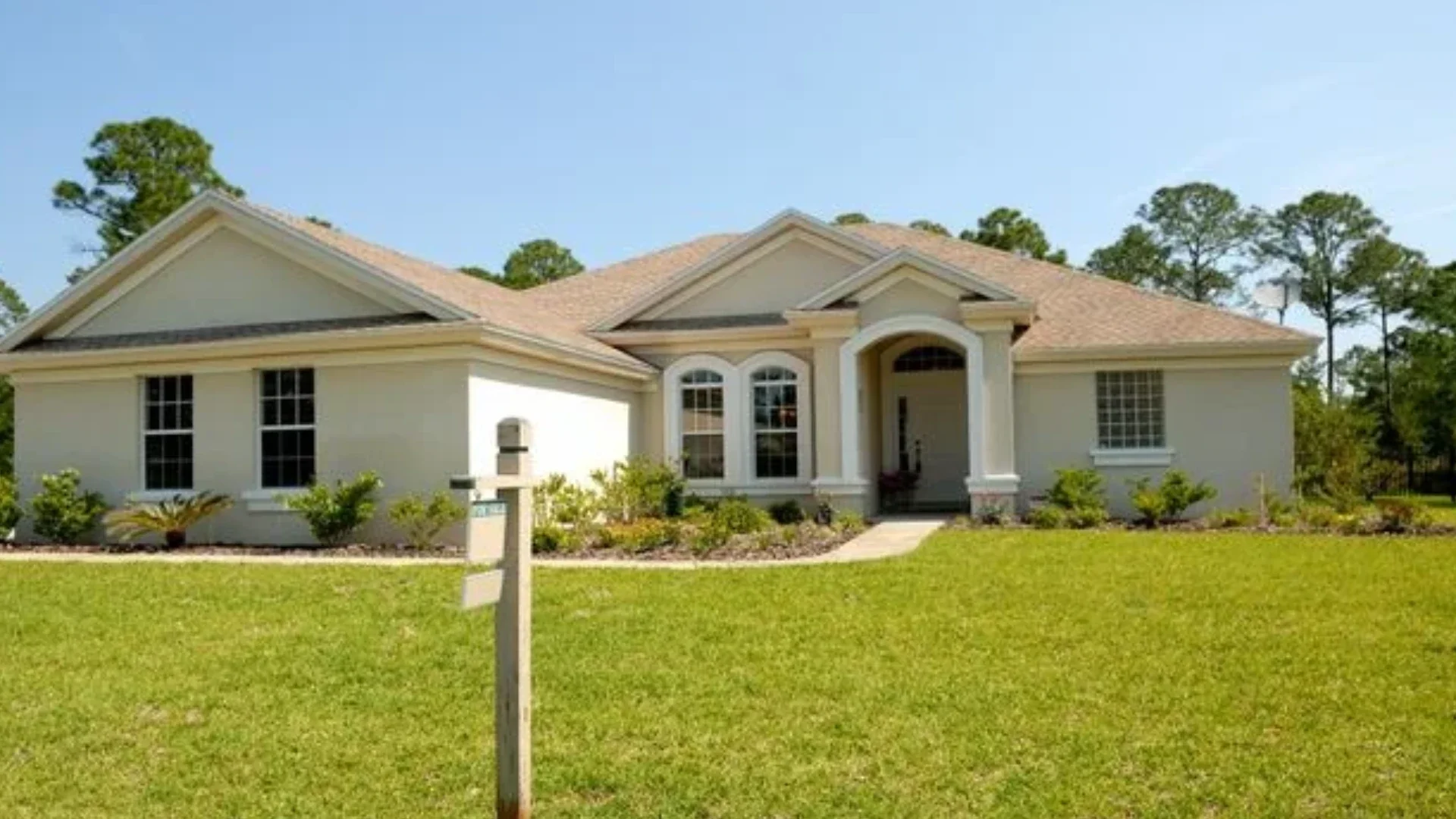
If you've ever driven through South Florida neighborhoods, you may have noticed something interesting: So many homes are one story. It's not by accident. As a South Florida REALTOR® and renovation-minded advisor, I often get questions from buyers about why single-story homes are so common here, and what that means for long-term value. The answer is a mix of history, climate, construction, and lifestyle. A Little History Much of South Florida, including large parts of Miramar, Pembroke Pines, and Hollywood, was built during the building boom that followed World War II and continued for decades. Land was plentiful and affordable, so builders spread out instead of building up. The result? Neighborhood after neighborhood of ranch-style, single-story homes on generous lots, many of which are still highly sought after today. (Newer communities, especially in western Miramar and Pembroke Pines, include more two-story homes, so buyers today have both options.) Climate and Construction Matter South Florida homes are designed with our environment in mind: hurricanes, heat, and humidity. Most homes here are built with concrete block and stucco, which stands up well to wind and moisture. A single-story home also has a lower profile against the wind. Single-story homes can be easier to maintain, inspect, and reinforce, especially in older, established neighborhoods. And when a storm is coming, putting up hurricane shutters is much easier when every window is on the ground floor. No ladders to second-story windows. For many buyers, that peace of mind matters. Lifestyle Drives Demand One-story homes are especially appealing to: Growing families with young children Empty nesters Multigenerational households Retirees and downsizers No stairs means easier day-to-day living. That convenience translates into strong buyer demand, especially in South Florida, where many homeowners are thinking long term. Accessibility isn't just a lifestyle feature. It can also be a resale advantage. Buying for several generations? See Multigenerational Home Buying: How to Find a Home That Fits Your Whole Family. What This Means for Buyers When comparing one-story and two-story homes, consider: Functionality: Does the layout support how you actually live? Future flexibility: Will this home still work for you in 5–10 years? Resale demand: Single-story homes often appeal to a wider range of buyers. In many South Florida communities, that can help support stronger resale interest. The roof: Here's one trade-off many buyers don't think about. A one-story home usually has a larger roof relative to its square footage than a two-story home of the same size. In South Florida, where roof age and condition affect insurance, that means the roof deserves extra attention during inspections and in your long-term budget. See The True Cost of Homeownership: What You Pay Beyond the Mortgage. Room to grow: Many single-story homes sit on larger lots, which can leave room for a pool, an addition, or an in-law suite. Always check zoning, permits, and HOA rules before planning an expansion. Value Is About Fit The best home isn't about trends. It's about fit. Sometimes a two-story home offers more square footage and more separation between spaces. Sometimes a single-story home offers better long-term functionality and resale flexibility. Understanding how local preferences influence value is one of the most important parts of buying strategically. That's why local expertise matters. Looking for the right home in Miramar, Pembroke Pines, or anywhere in South Florida? I'll help you weigh the layout, condition, roof, and long-term value of every home you consider. Book a free buyer consultation, or explore Miramar and Pembroke Pines. "She is very patient, kind and was always quick to respond to my questions. Her expertise in the market made the entire process smooth and stress-free." — Guneshi D., First-Time Home Buyer ⭐⭐⭐⭐⭐

Read More
Investors Homeowners Home Sellers Home Buyers

From Frustration to Fulfillment: My Conversation on the Beyond the Velvet Rope Podcast

Mar 11, 2026

Recently, I had the opportunity to sit down with my coach, Neal Oates Jr., on his podcast, Beyond the Velvet Rope, for a conversation that was both personal and meaningful to me. The episode is called "From Frustration to Fulfillment," and it gave me the chance to share parts of my journey that many people don't see behind the scenes: the doubts, the risks, the growth, and the moments that shaped the path I'm on today. 🎧 Listen to the episode here A Journey That Started With a Leap of Faith Before real estate, I spent 17 years as a public school educator with Miami-Dade County Public Schools, teaching English, reading, and business, and teaching ESOL to adults who were building new lives in this country. Teaching was meaningful work, but deep down, I carried a dream of building something of my own. That dream eventually led me to take a leap of faith that many people thought was risky: leaving the classroom to pursue entrepreneurship and real estate investing. At the time, it felt uncertain, and even a little scary. But looking back, that leap became the defining moment that shaped my determination, creativity, and belief in what's possible when you follow a vision. What We Talked About Neal and I had an honest conversation about growth, mindset, and the realities of building something meaningful. We talked about: My transition from educator to entrepreneur The birth of Eden Estate Enterprises, and the challenges and lessons of my first real estate projects How I developed my Eden Styled-to-Sell System The mindset shifts that helped me keep going through difficult moments The role of mentorship, accountability, and strong professional networks Holding non-negotiable standards and values in business Why frustration can be the starting point for fulfillment Building a Life and Business With Purpose Today, my work in real estate is about more than buying and selling homes. It's about helping people see possibilities, whether through homeownership, strategic property improvements, or real estate investing. Real estate has allowed me to combine creativity, strategy, and service, and I'm grateful for every lesson along the way. The educator in me still shows up every day, in the homebuyer workshops I present, the Real Estate Investors Roundtable I founded, and the way I guide every client through their decisions. This conversation reminded me how powerful it can be to share our stories: not just the wins, but the journey that leads to them. Listen to the Full Episode If you're navigating a career change, exploring entrepreneurship, or simply curious about the mindset behind building something meaningful, I hope this conversation encourages you. 🎧 Listen to the full episode here Let's Stay Connected If you're interested in real estate, investing, or how thoughtful property improvements can create opportunity, I'd love to connect. Learn more about me Explore the Eden Styled-to-Sell System Start the Master Investor Series Book a free consultation Natiesha Wray Henry, MBA REALTOR® | Investor | Property Transformation Strategist eXp Realty | Serving Miramar, Pembroke Pines & South Florida

Read More
Home Buyers Investors

Beyond the Mortgage: The True Cost of Owning a Home in South Florida

Jan 20, 2026

When most buyers figure out whether they can afford a home, they focus on one number: the monthly mortgage payment. It's what the lender qualifies you for, what everyone talks about during showings, and what sets the budget. But the average annual cost of owning and maintaining a single-family home in the U.S., not counting the mortgage, is estimated at about $21,400 in 2025. That's roughly $1,800 a month.[1] With those costs added in, a $2,500 mortgage payment can easily become more than $4,000 in total housing costs. Qualifying for a mortgage answers one question: "Can a bank trust you with this loan?" It doesn't answer the more important one: "Can you comfortably afford this lifestyle?" Nearly 45% of homeowners report regrets after buying, most often because maintenance and hidden costs were higher than expected.[2] The good news: most of that regret is preventable with the right plan. Here's the full picture, with what's different here in South Florida. The Predictable Ongoing Costs Property Taxes Nationally, the average property tax bill reached $4,271 in 2024, and many homeowners saw increases of 16% or more.[3] Even when tax rates dip, rising home values keep bills climbing. The Florida property tax trap: Many buyers assume their taxes will match what the seller paid. They usually won't. If the seller has owned and lived in the home for years, Florida's Homestead Exemption and Save Our Homes cap have likely kept their taxable value well below market value. When you buy, the home is reassessed at close to its current market value, so your first full tax bill can be much higher. Always estimate taxes based on your purchase price, not the seller's bill. Then, once you move in, apply for your own Homestead Exemption by March 1 to lower your bill and cap future increases on your primary home. Homeowners Insurance Nationally, the average premium for a new policy rose 8.5% year-over-year as of December 2025.[4] In South Florida, premiums are typically far higher than the national average because of hurricane risk. You may also need separate flood insurance, depending on the property. What drives your premium here: the roof's age and type, impact windows and doors, the home's age, and wind mitigation features. Two homes at the same price can have very different insurance costs, so get insurance quotes before you make an offer. See 6 Strategies to Save on Home Insurance Premiums. Watch your escrow. If taxes or insurance rise, your lender adjusts your escrow account, and your monthly payment can go up $200–$300 in a single year without you doing anything. HOA and Condo Fees About 40% of homes for sale nationally have HOA fees, with a median around $125 a month. Single-family homes often run $200–$300.[5] In South Florida, many communities have HOAs, and fees vary widely. Condo buyers, take note: Florida's newer condo safety laws require structural inspections and fully funded reserves in many older buildings. That has led to higher monthly fees and special assessments in some associations. Before you buy, review the association's budget, reserves, and any planned assessments. Utilities In 2024, energy and utility costs averaged $4,494 a year, plus about $1,515 for internet and cable.[1] In South Florida, air conditioning drives a big share of electric bills, especially in summer. Buyers moving from an apartment to a house often see utility costs roughly double. Routine Maintenance and Services Lawn care, pest and termite control, pool service, AC servicing, and pressure washing are practical necessities here. Together they can add $200–$400 a month. The Irregular, But Inevitable, Expenses Major System Replacements Repairs aren't a matter of if but when. Home maintenance now averages about $8,800 a year, and first-year owners often spend more.[1][6] Typical national costs: AC replacement: $5,000–$10,000 Roof replacement: $8,000–$15,000 nationally, and often much more in South Florida, especially for tile roofs Water heater: $1,200–$2,500 Plumbing updates: Many older South Florida homes have cast iron drain pipes, which can be costly to repair or replace as they age Use your inspection as a budget roadmap. A 15-year-old water heater or an aging roof isn't necessarily a deal-breaker, but it signals likely expenses in your first few years. Buyers who understand these timelines can plan instead of scramble. And newer homes aren't maintenance-free; systems still age, and warranties expire. Emergencies also have terrible timing: an AC failure in August, a roof leak during rainy season, or storm damage after a hurricane. Without cash reserves, one emergency can derail your finances. With my renovation background, I help buyers read inspection reports as a budget plan, estimating what each system will cost and when. Costs That Creep Up Over Time Here's what surprises many first-time buyers: the "fixed" costs of homeownership aren't fixed. A fixed-rate mortgage locks in your principal and interest, but taxes, insurance, HOA fees, utilities, and maintenance can all rise. Picture this: a letter arrives saying your payment is going up $200 a month because insurance premiums rose and your home was reassessed. Nothing changed on your end, yet your housing costs just went up $2,400 a year. Plan for these costs to rise about 3–5% a year. True stability comes from planning for change. Planning Smarter: How to Stay Ahead 1. Create a dedicated home repair fund. Keep it separate from your emergency savings, and set up automatic monthly transfers. Instead of the old "1% of your home's value" rule, many experts now suggest 2–3% a year. 2. Don't drain your savings at closing. Keep several thousand dollars in reserve rather than putting every dollar into the down payment or upgrades. 3. Invest in preventive maintenance. AC service, termite inspections, roof checks after storms, and hurricane prep catch small problems before they become expensive. See 10 Hidden Home Maintenance Tasks That Could Save You Thousands. 4. Know your home's systems and their ages. A 12-year-old water heater isn't an emergency today, but it signals an expense within a few years. Planning beats scrambling. Why Homeownership Still Makes Sense Despite the costs, homeownership remains one of the most powerful ways to build wealth, when you approach it wisely. Equity building: Every payment builds equity, and homes have historically appreciated over time. Stability and control: Renovate, paint, landscape, or add impact windows. It's your home, your way. Predictability: Rents have climbed about 31% over the past five years nationally.[7] With a fixed-rate mortgage, your principal and interest, typically the largest part of your payment, stay the same. Renters face increases on their entire housing cost. Lifestyle: Community roots, stability for your family, and the pride of owning something that's truly yours. A Better Way to Think About Affordability True affordability isn't the maximum a lender will approve. It's the amount that lets you sleep well at night, even when the water heater fails or insurance goes up. Smart buyers calculate affordability as mortgage + taxes + insurance + HOA + maintenance from the start. It might narrow your price range a little, but it gives you breathing room and peace of mind. Thinking about buying? I'll help you look beyond the list price, from realistic tax and insurance estimates to reading inspection reports as a budget plan. Book a free buyer consultation. First-time buyer? Start with 5 Easy Steps to Buying Your First Home and 5 Roadblocks to Affordable Homeownership, or take a HUD-approved homebuyer class. This article is for informational purposes only and is not financial, legal, or tax advice. Costs vary by home and location. Sources Bankrate: Hidden Costs of Homeownership Bankrate: Homeowner Regrets Survey NAHB: Property Taxes 2024 Matic: 2026 Home Insurance Predictions Realtor.com: Homeowners Associations 2024 Inman: Home Maintenance Costs Rise Rentec Direct: State of Rent 2025

Read More
Home Sellers Homeowners Home Buyers

Planning Your 2026 Real Estate Moves: A Guide to the Best Buying and Selling Seasons

Dec 10, 2025

Timing isn't everything in real estate, but it can make the difference between saving thousands or paying a premium, selling in 30 days or waiting three months, and negotiating from strength or uncertainty. As we head into 2026, with inventory normalizing and conditions still shifting, understanding seasonal patterns matters more than ever. Whether you're a first-time buyer watching every dollar or a seller aiming for top dollar, the season you choose can affect your results. The catch? Not everyone can wait for the "perfect" time. Job relocations happen in January. Growing families need more space in July. Retirement doesn't wait for spring. This guide breaks down the pros and cons of each season, plus how it all works a little differently here in South Florida, so you can make the smartest move within your timeline. Spring: Peak Selling Season (March–May) Spring is peak season for a reason. Nationally, homes listed in spring sell in as few as 33 days, compared to 49 days in winter.[1] May tends to bring the highest seller premium of the year, about 13.1% above market value.[2] Longer days mean more showings, families want to move before the next school year, and blooming landscaping boosts curb appeal.[3] The trade-off: competition. Sellers must price right, stage well, and market strongly to stand out. Buyers get the most choices but face more competition. In May and June, about 35% of buyers pay above list price, compared to 24% in January.[4] Summer: Extended Peak Season (June–August) The momentum continues into summer. June often has the highest sales volume of the year nationally, with more than 16,500 homes selling per day.[1] School breaks let families move without disrupting the school year, and outdoor spaces like pools and patios are at their best. By August, the market starts to shift. Leftover listings go "stale," and buyers settle in as school begins. That can create opportunities for patient buyers. Moving costs also peak in summer. Nearly half of all moves happen between June and August, so movers and rental trucks are in high demand.[5] Fall: The Underrated Opportunity Season (September–November) Fall may be real estate's best-kept secret. With fewer competing sellers, listings stand out more, and the buyers who are still looking tend to be serious and ready to act.[3] Nationally, October often has one of the lowest seller premiums of the year, about 8.8% above market value,[2] and prices often dip slightly from summer highs.[4] For first-time buyers, fall can be a great time to find value without bidding wars. Fall also brings natural urgency. Buyers want to close before the holidays, and many sellers want to avoid carrying their home into the new year. Winter: Value Season (December–February) Nationally, winter has a slower reputation, and that can mean value for flexible buyers. In January, only 24% of buyers pay above list price, compared to 35% in May and June.[4] Homes stay on the market longer, averaging 49 days versus 31 days at peak season,[1] which gives buyers more time and more negotiating power. Moving companies often offer their lowest rates, too. For sellers, winter nationally means fewer buyers and holiday distractions. But warm-climate markets like Florida see much smaller winter slowdowns,[1] and that brings us to the most important section. South Florida's Real Estate Calendar: How It's Different Here National seasonal patterns don't tell the whole story in Miramar, Pembroke Pines, and across South Florida. Here's how our seasons really work: Winter (November–April): "Snowbird Season" Is Active While much of the country slows down, South Florida often picks up. Seasonal residents, retirees, and out-of-state buyers arrive, many escaping the cold and ready to buy. International buyers also visit during these months. Our weather is at its best, so outdoor spaces, pools, and landscaping look great, and showings are comfortable. Sellers: Winter can be a strong time to list here, especially for homes that appeal to relocating buyers, retirees, and 55+ communities. Buyers: Expect more competition than the national numbers suggest. Spring (March–May): Still Strong Spring remains busy as families plan summer moves and seasonal buyers make final decisions before heading north. Summer (June–August): Family Moves, Heat, and Hurricane Season Families still buy in summer to move before school starts. Broward County schools typically start in mid-August, so many families aim to close by late July. But the heat and daily rains can slow showings, and hurricane season officially begins June 1. Hurricane Season (June 1–November 30): What Buyers and Sellers Must Know Insurance can pause. When a named storm threatens the area, insurers often stop writing new policies until it passes. Because lenders require insurance to close, closings can be delayed. Build in flexibility. Plan extra time in your contract and moving schedule during storm season. Buyers: A home's roof, impact windows, and wind mitigation features matter even more, both for safety and insurance costs. See Master Investor Series 3 of 5 | Hurricane-Resistant Upgrades. Sellers: Have your roof permit, wind mitigation report, and 4-point inspection ready to help buyers get insured quickly. Fall (September–November): The Local Sweet Spot After peak hurricane season, the South Florida market often picks up again as seasonal buyers return. Fall can be a great time for buyers to find value before snowbird season gets fully underway. Want to know how the seasons are playing out in your specific neighborhood? Reach out and I'll share the latest local numbers. Pricing Strategies by Season Spring and summer: With more buyers in the market, pricing right at market value, or slightly below, can draw multiple offers and push the final price up. Pricing just under round numbers (for example, $549,000 instead of $550,000) can help your home show up in more online searches. Highlight outdoor living, natural light, and curb appeal.[3] Fall: Be realistic and competitive. Serious fall buyers respond to homes that are priced right and ready to close before the holidays.[2] Winter: Nationally, sellers may need sharper pricing. In South Florida, winter demand from seasonal buyers can help, but accurate pricing still matters most. Winter buyers aren't just bargain hunters. They want homes that justify making a move.[1] Year-round: Start with a professional Comparative Market Analysis (CMA), watch current conditions, factor in features algorithms miss, and be willing to adjust. See Can You Really Trust Online Home Estimates? Buyer Offer Strategies by Season Busy seasons: Get pre-approved, be ready to move quickly, and make your best offer on the right home. An escalation clause can help you compete up to your limit, and flexible closing dates strengthen your offer. Slower seasons: You'll have more room to negotiate for seller concessions (closing costs, a home warranty, or repairs), longer inspection periods, and price reductions based on inspection results.[1] Year-round fundamentals: Understand the seller's motivation. Back your offer with market data, not emotion. Let your agent handle offers and counteroffers. Know your limit, and be willing to walk away. Bottom Line Seasons create opportunities and challenges, but your personal circumstances should drive your timing. Waiting for the "perfect" season doesn't help if life requires you to move now. In South Florida, snowbird season and hurricane season shape the calendar as much as spring and fall do. The best time to move is the time that's right for you, with a strategy built around your timeline and goals. Planning a move in 2026? Book a free consultation and let's build your plan. Selling? Start with what your home is worth. Buying? Read 5 Easy Steps to Buying Your First Home. This article is for informational purposes only and is not financial or legal advice. Seasonal statistics are national averages; local conditions vary. Sources NAR: Navigating the Housing Market, A Seasonal Perspective Bankrate: Best Time to Sell a House Investopedia: How Seasons Impact Real Estate Zillow: Best Time to Buy a House My Moving Journey: Peak vs. Off-Season Moving

Read More
Investors Home Sellers Home Buyers Homeowners

How to Spot Real Estate Scams (and Protect Your Investment)

Oct 10, 2025

Real estate scams are hitting more people than ever, and they're getting more sophisticated. According to the FBI, nearly 10,000 Americans reported real estate fraud in 2024, with losses of more than $173 million.[1] About one in four home buyers or sellers encounter suspicious activity during closing, and one in 20 become victims of wire fraud.[2] These aren't just traps for the inexperienced. They're professional operations that can fool seasoned investors and savvy consumers alike. Remote closings and digital communication have created new openings that criminals actively exploit. Whether you're a first-time buyer, investor, homeowner, or renter, here's how to recognize the most common scams, and protect yourself here in South Florida. 1. Wire Transfer Fraud: The Costliest Threat Wire fraud strikes at closing, when buyers are most vulnerable. Criminals hack or fake emails from real estate agents, title companies, or attorneys, then send fake wiring instructions that send your down payment to their account. The emails look official, use the right terminology, and create urgency around your closing deadline. Real estate wire fraud cost victims about $145 million in reported losses in 2023,[1] and typical losses run more than $70,000 per case.[4] For many buyers, that's their entire down payment. Once the money is sent, it's usually gone for good. Warning signs: Last-minute changes to wiring instructions, marked urgent Email addresses that are slightly off, like "titlle-co.com" instead of "title-co.com" Pressure to act immediately to avoid closing delays How to protect yourself: Always confirm wiring instructions by phone, using a number you already know is correct, such as one from your contract or the title company's official website. Never use a phone number from the email itself. Many brokerages now have clients sign a wire fraud acknowledgment.[5] If you suspect fraud, call your bank immediately and file a report with the FBI's Internet Crime Complaint Center (IC3.gov). Acting within 24–72 hours gives you the best chance of recovering funds.[5] 2. Rental Listing Scams: Too Good to Be True Rental scammers copy real listings, often homes for sale, and advertise them at below-market rent to collect deposits for homes they don't own. They create urgency ("lots of people are interested!") and usually claim to be out of town or overseas so they can't meet. Red flags: Rent that's much lower than similar homes in the area A "landlord" who can't meet in person or show the home Requests for payment before you've seen the property or signed a lease[7] How to protect yourself: Never send money for a rental you haven't seen in person. Verify ownership through the county property appraiser's website. In Broward, that's the Broward County Property Appraiser; in Miami-Dade, it's the Miami-Dade Property Appraiser. Never pay with wire transfers, gift cards, cryptocurrency, or payment apps. Homeowners: If your home is vacant or listed for sale, search online for fake rental ads using your address. 3. Title and Deed Fraud: Stealing Your Home In deed fraud, criminals forge documents, often a quitclaim deed with a forged signature, to make it look like they own your property. Then they may borrow against it, sell it, or rent it out. Vacant homes, vacant land, investment properties, and homes owned free and clear are prime targets, because fraud can go unnoticed for months. The FBI has reported a steady increase in quitclaim deed fraud,[8] and from 2019 to 2023, more than 58,000 victims reported $1.3 billion in losses to real estate fraud.[8] Warning signs: mail about a mortgage you didn't take out, property tax bills that suddenly stop coming, or unexpected foreclosure or transfer notices. How to protect yourself: sign up for free fraud alerts. Broward County: The Broward County Property Appraiser offers Owner Alert, a free service that emails you if a document changing your property's ownership is recorded. You just need your name, email, and property ID number. Sign up for Owner Alert. Miami-Dade and other counties: Many Florida county clerks offer similar free alerts. See the statewide list of property alert services. Title insurance gives added protection. An owner's policy is one of the best investments you can make at closing. If you own rental properties or land, sign up for alerts on every property you own. 4. Fake Buyers, Sellers, and Agents Fake buyers make attractive cash offers, then send a fake cashier's check for more than the deposit and ask you to wire back the difference. Seller impersonation has exploded. More than half of U.S. real estate agents (54%) encountered seller impersonation attempts in 2023.[9] Scammers pose as property owners, often of vacant land or rentals, and try to sell property they don't own.[10] Florida has seen many of these cases. Fake agents create phony profiles, sometimes using real agents' names and photos, to collect bogus fees. In one South Florida case, a scammer stole a real REALTOR®'s identity online and collected thousands of dollars from victims.[13] How to protect yourself: Verify any agent's license at MyFloridaLicense.com. Ask for photo ID and verify property ownership through public records. Meet in person or by live video whenever possible. Never share banking information or accept funds from someone you haven't verified. 5. Bait-and-Switch Schemes These scams hook you with a great deal, then change the terms: Rentals: The advertised home is suddenly "unavailable," but there's a pricier one instead. "We Buy Houses" offers: A high price up front, then a last-minute lower offer, or a contract quietly sold to another buyer. Some sellers end up with as little as 50% of market value.[6] Mortgages: A too-good rate that requires a large upfront fee, then a higher rate later, or a lost deposit. Get every offer in writing, avoid non-refundable upfront fees, and walk away when terms suddenly change. Thinking of selling to a "We Buy Houses" company? Talk to me first. You deserve to know what your home is worth on the open market. Get your home's value. Your Defense Strategy Work with licensed professionals. Use reputable agents, attorneys, and title companies, and verify licenses and reviews. Verify every identity with photo ID and independent sources. Protect your information. Use strong passwords and two-factor authentication, and never email sensitive financial data. Slow down. Legitimate deals don't require you to skip verification. Pay safely. Send wires only to verified escrow or title accounts. Never pay with cash, gift cards, or crypto. Monitor your property. Sign up for Owner Alert or your county's fraud alert service. Report fraud to local police, IC3.gov, and the FTC. Bottom Line Real estate scams exploit trust and urgency, but the warning signs are consistent: skipped safeguards, pressure, unverified identities, and deals that seem too good to be true. If something feels off, pause and verify. It's better to lose a "great deal" than to lose your savings. Planning to buy, sell, or invest? Working with an experienced local agent who knows the red flags is one of your best protections. Book a free consultation. Related: Ready to Buy or Sell a Home? Here Are 5 Key Factors in Choosing the Right Agent This article is for informational purposes only and is not legal or financial advice. If you suspect fraud, contact law enforcement and your financial institution immediately. Sources FBI IC3: 2024 Internet Crime Report National Cybersecurity Alliance: Common Real Estate Scams Rocket Mortgage: Real Estate Scams Eftsure: Wire Fraud Statistics National Association of REALTORS®: Wire Fraud MMBB: Unmasking Real Estate Scams FTC: Rental Listing Scams Florida Realtors: Quitclaim Deed Fraud on the Rise ALTA: Seller Impersonation Fraud NBC Washington: Vacant Land Scams Kiplinger: Protecting Your Home from Deed Theft FHFA: Fraud Prevention NBC Miami: Scammer Posing as Realtor Broward County Property Appraiser: Owner Alert

Read More
Home Buyers

HUD-Certified First-Time Home Buyer Workshop

Sep 18, 2025

HUD-Certified First-Time Home Buyer Workshop 📣 It's happening this Saturday! I'm excited to once again be presenting at the HUD-Certified First-Time Homebuyer Workshop through the Housing Foundation of America. If you've been thinking about buying your first home in South Florida, this is your chance to: ✅ Learn the full homebuying process ✅ Get tips on financing and down payment assistance ✅ Understand today's market shift, and how it helps first-time buyers ✅ Ask your questions in real time 📅 Saturday, September 20, 2025 📍 Online via Zoom (Pembroke Pines session) 💡 Don't miss this opportunity to get empowered for your homeownership journey! What You'll Learn in a HUD-Certified Homebuyer Class These workshops walk you through buying a home from start to finish: Budgeting and credit: how to prepare your finances and improve your credit score Mortgage options: conventional, FHA, VA, and other loan programs Down payment assistance: what programs exist and how to qualify The buying process: from pre-approval and house hunting to inspections, appraisal, and closing Life as a homeowner: maintenance, insurance, and protecting your investment Why It Matters Many down payment assistance programs require buyers to complete a HUD-approved homebuyer education course, so the certificate you earn can open doors to financial help. Even if you don't need assistance, you'll leave feeling informed, confident, and ready to buy. Why I Teach These Workshops Before real estate, I spent 17 years as an educator with Miami-Dade County Public Schools. Helping people understand big, unfamiliar processes has always been my passion. Teaching first-time buyers combines both of my careers, and there's nothing like watching someone go from "I don't think I can do this" to holding the keys to their first home. Ready to learn more? See upcoming workshop dates Read 5 Easy Steps to Buying Your First Home Read 5 Roadblocks to Affordable Homeownership (And Ways to Move Past Them) Read September Market Update: First-Time Buyers Finally Have the Power Thinking about buying your first home in Miramar, Pembroke Pines, or anywhere in South Florida? Book a free buyer consultation or visit Buy With Natiesha.

Read More
Home Buyers Home Sellers Investors

September Market Update: First-Time Buyers Finally Have the Power

Sep 05, 2025

As we head into fall 2025, the South Florida housing market is shifting in a way that puts first-time buyers back in the driver's seat. These changes are happening across the country, but I'm focusing on Miramar's 33027 ZIP code to show exactly what they mean for buyers right here at home. For years, renters and new buyers felt priced out by rising home values and worn down by bidding wars. Now, more inventory, longer days on market, and a rebalancing of supply and demand are creating opportunities that didn't exist a year or two ago. For buyers, especially first-time buyers, this turning point means one thing: leverage. Fewer Home Sales, But More Breathing Room for Buyers Nationally, sales are still below pre-pandemic levels.[2][3] Many would-be buyers remain cautious because of economic uncertainty and affordability challenges from higher mortgage rates and home prices.[4] As Lawrence Yun, Chief Economist for the National Association of REALTORS®, explains: "Home sales have been at 75% of normal or pre-pandemic activity for the past three years, even with seven million jobs added to the economy. Pent-up housing demand continues to grow, though not realized. Any meaningful decline in mortgage rates will help release this demand."[3] But change is in the air. More inventory and selective price reductions are drawing buyers back in. In 33027, homes are staying on the market longer [add: median days on market is now about ___ days, compared with ___ days a year ago]. That gives you time to make thoughtful decisions instead of rushing to beat a dozen competing offers. What it means for first-time buyers in 33027: The slower pace works in your favor. With less competition, you can shop with confidence, negotiate terms, and avoid the "panic buying" of 2021 and 2022. For sellers: Success comes from understanding today's buyer mindset and pricing to match current conditions. I'll help you analyze local trends and build a strategy that gets results. Mortgage Rates: Elevated but Stable Thirty-year fixed mortgage rates are hovering below 7%, and Yun expects them to average about 6.4% in the second half of the year.[6] That's far from the sub-3% pandemic rates, but it's becoming the new normal. As Realtor.com's Hannah Jones put it, "Persistently high mortgage rates mean affordability remains top of mind."[5] Monthly housing payments have more than doubled since the pandemic, driven by both higher prices and higher rates.[7] In response, many builders and sellers are offering concessions, like rate buydowns and closing cost assistance.[8] What it means for first-time buyers in 33027: Don't let rates scare you off. Use your negotiating power to ask sellers for help with closing costs or a rate buydown. If rates drop later, you may be able to refinance, but always buy based on a payment you can comfortably afford today. Sellers, take note: Offering a rate buydown or closing cost help can set your listing apart and widen your pool of qualified buyers. I can help you decide which incentives make sense and how to market them. Inventory Is Growing, and That's a Game Changer One of the biggest shifts in 2025 is the jump in housing supply. Here in 33027, more single-family homes are coming on the market [add: about ___ active listings compared with ___ a year ago, or ___ months of supply]. Nationally, the shift is dramatic: according to Redfin, there are now an estimated 33.7% more sellers than buyers, the widest gap on record.[9] Several factors are behind it. Return-to-office trends have cooled demand in some once-hot markets, affordability keeps many buyers on the sidelines, and more homeowners tired of waiting are choosing to list. Many major metros, especially in the South and West, are now considered buyer's markets. "The balance of power in the U.S. housing market has shifted toward buyers," says Redfin senior economist Asad Khan.[9] What it means for first-time buyers in 33027: More inventory means more choices. You're less likely to give up your must-haves just to get a home. Whether you want a starter single-family home or something with room to grow, your odds of finding it are better this season. For sellers: With more competition, presentation and pricing matter more than ever. My Eden Styled-to-Sell System helps your home stand out. Home Prices Are Softening, But Holding Long-Term Value After years of rapid growth, prices are coming back down to earth. National prices are flattening, with some softening in South Florida too. In 33027, values remain well above pre-pandemic levels, but the rapid increases have cooled [add: median sale price about $, compared with $ a year ago]. Newsweek reports that home values fell in more than half of U.S. states in the first half of 2025, especially across the Sun Belt.[5] Economists expect the national median home price to stay flat in the third quarter and dip about 1% year-over-year by the end of 2025.[8] Sellers are starting to accept that the sky-high sales from 2021 and 2022 are no longer the benchmark. Affordability is still a major hurdle. Households earning $75,000 a year can afford only about 20% of homes for sale, down from nearly half before the pandemic.[1] The ongoing housing shortage is expected to keep prices from dropping dramatically.[10] As finance expert Michael Ryan told Newsweek, "The housing market isn't crashing dramatically, more like it's finally coming back down to earth from a sugar high."[5] What it means for first-time buyers in 33027: Softer prices and motivated sellers are opening doors that were locked two years ago. Instead of bidding over asking, you may be able to buy at or even below list price. For sellers: The key is realism. "Gone are the days when you could slap any old price on your house and expect a bidding war," says Ryan.[5] Pricing strategically from day one is critical. As a Pricing Strategy Advisor, I'll help you find what your home is truly worth in today's market. Get your home's value. Why First-Time Buyers Should Act Now If you've been renting in Miramar and waiting for the "right time," this may be it: Less competition means less pressure to settle. More inventory means more choices. Negotiating power means you can ask for seller credits, repairs, or rate buydowns. As a first-time buyer, you're in a stronger position than you've been in years. Buying your first home can feel overwhelming, but you don't have to do it alone. This September, I'm presenting at the HUD-certified First-Time Homebuyer Workshop through the Housing Foundation of America to walk new buyers through the process, and show you how to make this market shift work in your favor. You can also start with 5 Easy Steps to Buying Your First Home and 5 Roadblocks to Affordable Homeownership. Sellers and Homeowners: Know Your Options If you're selling, your strategy should reflect today's market, not yesterday's highs. See Top 5 Things to Consider When Selling Your House. If you're a homeowner, now is a good time to decide whether to stay put, refinance, or use your equity to make a move. See Renovate or Relocate? 3 Questions To Help You Decide. The best decision is an informed one. Whether you're buying your first home, selling your third, or weighing your next move, I bring the local insight, negotiation skills, and market knowledge to help you succeed. Let's talk about your goals. Book a free consultation. This article is for informational purposes only and is not financial, legal, or tax advice. Consult the appropriate professionals about your individual needs. Sources NAR: Housing Affordability Gap Zillow: Home Value and Sales Forecast NAR: Existing-Home Sales MarketWatch: The Silver Lining in a Stalled Market Newsweek: Home Values Dropping in Half the Country NAR: Lawrence Yun at the 2025 REALTORS® Legislative Meetings NAR: 2025 Residential Economic Issues & Trends Forum (Yun Slides) Redfin: Home Price Forecast ResiClub: 500,000 More Sellers Than Buyers Realtor.com: 2025 Forum Slides (Danielle Hale)

Read More
Home Buyers Investors Home Sellers

Ready to Buy or Sell a Home? Here Are 5 Key Factors in Choosing the Right Agent

Jun 10, 2025

Navigating the real estate market without guidance is like starting an expedition without a map. Whether you're selling your cherished family home or searching for your dream property, the right real estate agent can make all the difference. According to the National Association of REALTORS®, homes sold with an agent had a median price of $435,000, compared to $380,000 for homes sold by owners on their own.[1] Buyers benefit too. The Consumer Federation of America found that buyers can save significantly by working with an agent dedicated to their interests.[2] But how do you find the right agent, one whose expertise, service, and terms fit your needs? Here are five key factors to consider, plus what you should know about how agent relationships work here in Florida. Buyer's Agent vs. Listing Agent: What's the Difference? A buyer's agent helps you find homes that fit your needs, schedules showings, negotiates your offer, and guides you through inspections and closing. A listing agent works with the seller. They price the home, market it, manage showings, and negotiate with buyers to get the best terms. If you're selling one home and buying another locally, you can usually work with the same agent for both. That makes it easier to coordinate your timeline and finances. If you're moving to another city or state, you'll likely need a second agent with local expertise there. (As an eXp Realty agent, I can connect you with trusted agents across the country.) How It Works in Florida Florida law recognizes three types of brokerage relationships: Transaction broker: The most common arrangement in Florida, and the one the law presumes unless you agree otherwise. The agent provides limited representation to a buyer or seller: they must deal honestly and fairly, account for funds, use skill and care, and disclose known material facts about the property, but they don't owe you full loyalty the way a single agent does. Single agent: The agent represents only you, with full duties of loyalty, confidentiality, and obedience. No brokerage relationship: The agent doesn't represent you at all. Your agent should explain which relationship applies before you start working together. Also, since 2024, buyers generally sign a written buyer agreement before touring homes with an agent. It spells out the services and how the agent will be paid.[5] 1. Credentials and Reputation A well-qualified agent brings more than enthusiasm. They bring training, experience, and a track record. Verify the license. In Florida, you can check any agent's license at MyFloridaLicense.com. Licensed agents complete state-approved education, pass an exam, and keep up with continuing education.[3] REALTORS®, members of the National Association of REALTORS®, also follow a strict Code of Ethics. Look for professional designations. Designations show extra training in specific areas. For example, I hold the SRS (Seller Representative Specialist), ABR® (Accredited Buyer's Representative), PSA (Pricing Strategy Advisor), RESA Certified Staging Advocate, SFR® (Short Sales and Foreclosure Resource), and e-PRO® designations. Check reviews and references. Past clients can tell you about an agent's communication, negotiation, and problem-solving. Feedback from trusted friends and family counts most. Look at their website and social media. An agent who regularly shares market updates, tips, and neighborhood insights is a resource before, during, and after the sale. 2. Local Market Knowledge Deep local knowledge is one of the most valuable things an agent brings. A local expert understands neighborhood pricing, schools, amenities, zoning, and, in South Florida, HOA rules, insurance costs, and flood zones. For sellers: A local agent knows how to price your home competitively, what buyers in your area want, and which community features to highlight. For buyers: A local agent can spot hidden gems, flag upcoming developments, and tell you which HOAs have rental restrictions, pending assessments, or approval processes. Local agents also have relationships with lenders, inspectors, contractors, and insurance professionals, which keeps everything moving smoothly. Ask: How long have you worked in this area? What can you tell me about this neighborhood? I've lived and worked in South Florida for decades, including 17 years teaching in Miami-Dade County Public Schools, and I focus on Miramar and Pembroke Pines and the communities around them. Explore my Miramar and Pembroke Pines community guides. 3. Service and Value Not all agents offer the same level of service. Ask each agent what makes them different. For sellers, ask: Can I see your written marketing plan? How will you set the price? Will you help me decide which repairs or updates are worth making? How often will you communicate with me? For buyers, ask: How will you find homes that fit my needs? How quickly can you schedule showings? Can you help with financing guidance, assistance programs, and neighborhood insights? A great agent can clearly explain the value they bring, backed by experience and data. My difference is my renovation background. I help sellers decide what to update before listing through my Eden Styled-to-Sell System, and I help buyers see a home's true potential and its pitfalls before they buy. 4. Terms of Representation Before you commit, understand the working relationship: Who will be your main contact, and how and when will they communicate with you? What does the agreement say? For sellers, a listing agreement covers the price, compensation, and length of the contract.[4] For buyers, a buyer agreement covers the services provided and how the agent will be paid.[5] What are the termination terms? Read every agreement carefully, and ask questions before you sign. Trustworthy agents are open about how they're paid and how it lines up with your goals. 5. Ongoing Support The best agents are still there long after closing: Recommending reliable contractors and home service pros Helping you understand your property tax assessment and Homestead Exemption Providing periodic home value updates Referring you to trusted agents if you move out of the area Ask: How do you stay in touch with past clients? I keep in touch through my weekly community newsletter, market updates, contractor referrals, and my Real Estate Investors Roundtable for clients building wealth through real estate. Ready to Make Your Move? Let's Talk. Choosing an agent is one of the most important decisions you'll make when buying or selling a home. The right partner makes the process easier and more rewarding, both financially and emotionally. "She is not only knowledgeable and responsive, with a warm personality, she actually genuinely cares about her clients. She does the hard work and never pressures you to exceed your budget or compromise on your wish list. If we could give her 10 stars, we would." — Deborah K., Home Buyer ⭐⭐⭐⭐⭐ If you're looking for a local, experienced agent who puts clear communication, personalized service, and results first, I'd love the chance to earn your trust. Learn more about me, read my client testimonials, or book a free, no-obligation consultation. This article is for informational purposes only and is not financial, legal, or tax advice. Consult the appropriate professionals about your individual needs. Sources National Association of REALTORS®: FSBOs Reach All-Time Low Forbes: Consumer Federation of America Warning Investopedia: Becoming a Real Estate Agent National Association of REALTORS®: Listing Agreements National Association of REALTORS®: Written Buyer Agreements

Read More
Home Buyers Home Sellers

Selling Your Home in 2025? Here's What Buyers Want (And How to Deliver)

May 05, 2025

Thinking about listing your home in 2025? You're smart to plan ahead. With inventory rising in many parts of the market, today's sellers need more than a "For Sale" sign to stand out.[1] The good news? You can still make a strong impression and get top dollar if you know what today's buyers really want. Here are six of the top buyer priorities this year, plus a clear action plan for each. Whether you're weeks or months away from listing, these tips will help you attract serious offers in Miramar, Pembroke Pines, and across South Florida. Buyer Priority #1: Move-In-Ready Condition Buyers want a home they can enjoy from day one. In one survey, 94% of buyers said a move-in-ready home was "very" or "somewhat" important.[2] Homes that feel fresh and well cared for attract more competitive offers. Your action plan: Refresh the interior. Paint in soft, contemporary neutrals, swap outdated fixtures, and clean or replace worn flooring for a cohesive look. For windows, I often recommend simple white, cordless, light-filtering blinds. They brighten the room while keeping privacy. Fix anything that's broken, and gather maintenance records if you have them. A pre-listing inspection can uncover issues early and head off tough renegotiations later. Update kitchens and bathrooms strategically. You don't need a full remodel.[3] New appliances, fresh grout, updated hardware, or a retiled shower can make a big difference. At a minimum, make sure cabinets, counters, and floors are clean and in good repair. South Florida tip: Buyers here also look closely at the roof, AC system, and windows, because those affect their insurance costs. Having your roof permit, a recent wind mitigation report, and a 4-point inspection ready can make your home easier to insure and more attractive to buyers. Not sure what to update? My Eden Styled-to-Sell System helps you focus on the improvements that pay off. See also 6 Tell-Tale Ways to Identify an Outdated Home. Buyer Priority #2: Flexible Closing Timelines Many buyers are juggling complicated schedules, like selling their current home, starting a new job, or getting kids into school. Offering flexibility can give you an edge. Your action plan: Define your ideal timeline and how flexible you can be. We'll talk through your goals and what's realistic. Have a plan if your home sells fast. Some buyers need a quick closing. If you're worried about where you'll go, we can explore options like a short-term rental or a rent-back agreement, where you stay in the home for a short time after closing.[4] Let your agent negotiate the details. Closing dates can be tricky, and I'll help you reach an arrangement that works for both sides. South Florida tip: If your home is in an HOA or condo association that requires buyer approval, build that time into your closing timeline. Buyer Priority #3: Assistance and Incentives Buying a home is expensive, and many buyers are financially stretched. The right incentive can make your home stand out, and in a recent survey, most agents recommended offering some type of buyer incentive.[5] Your action plan: Consider closing cost assistance. Contributing toward a buyer's closing costs, paid from your sale proceeds, can make a big difference for first-time buyers.[6] Since 2024, sellers can also still choose to offer compensation toward the buyer's agent fee, negotiated as part of the deal. Consider a mortgage rate buydown. Paying upfront to temporarily or permanently lower the buyer's interest rate can make their monthly payment much more affordable.[7] Offer a repair allowance or home warranty. A credit toward new appliances or flooring, or a one-year home warranty, eases buyers' worries about surprise costs. The best incentive depends on your home and your likely buyer. I'll help you choose the one that gives you the most impact for the money. Buyer Priority #4: Curb Appeal 97% of REALTORS® say curb appeal matters to buyers, and homes with strong curb appeal tend to sell faster and for more.[8] Your action plan: Keep the exterior immaculate. Mow, trim hedges, weed flower beds, and consider a professional landscaper while you're on the market. Make the entrance welcoming, with a freshly painted front door, updated hardware, and working outdoor lights. Check your HOA's color rules first. Pressure wash everything: the roof, stucco, driveway, walkways, and pavers. In South Florida's humidity, mildew builds up fast. Touch up peeling or faded paint and repair any visible roof, gutter, or driveway damage. Clean the windows and screens, inside and out. More ideas: 7 Weekend Projects to Boost Your Property Value. Buyer Priority #5: Functional, Flexible Spaces Today's buyers want spaces that adapt to their lives, from working at home to hosting family.[9] That includes reliable high-speed internet and smart home features. Your action plan: Stage rooms to show versatility: a home office, a guest room that doubles as a gym, or a reading nook. Highlight storage: built-ins, organized closets, and garage storage. Showcase technology. High-speed internet, smart thermostats, video doorbells, and built-in charging spots are all selling points.[10] See Tech the Halls: Smart Home Gadgets. South Florida tip: Don't forget the outdoors. A staged patio, lanai, or pool area is "functional space" buyers here love. Step-by-step staging help: Stage to Sell: 7 Proven Steps to Attract Buyers and Boost Offers. Buyer Priority #6: Energy Efficiency and Hurricane Readiness With rising utility bills and insurance costs, buyers value homes that cost less to run and protect.[11] In South Florida, energy efficiency and hurricane protection often go hand in hand. Your action plan: Highlight what you have: impact windows and doors, a newer roof, an efficient AC system, a smart thermostat, LED lighting, or solar panels. Put them front and center in your listing. Seal energy leaks. Weather stripping around doors and windows, sealing gaps, and adding attic insulation help keep your home cooler and lower bills.[12] Plan upgrades wisely. It's not always worth adding big features just to sell, but if you're replacing windows, doors, or the AC anyway, choose energy-efficient, hurricane-rated options. See Master Investor Series 3 of 5 | Hurricane-Resistant Upgrades. Your Strategic Advantage in Today's Market Selling in today's market takes insight, preparation, and strategy. When your home matches what buyers want, it stands out, sells faster, and brings in stronger offers. As a Seller Representative Specialist (SRS), Pricing Strategy Advisor (PSA), and Certified Staging Advocate, with hands-on renovation experience, I'll help you decide what to update, what to skip, and how to position your home to shine. "The final sale price was well above what I originally expected, simply because Natiesha knew how to position the home and guide the repairs properly." — Natalie S., Home Seller ⭐⭐⭐⭐⭐ Ready to take the next step? Book a free seller consultation or get your home's value. Related: Top 5 Things to Consider When Selling Your House This article is for informational purposes only and is not financial, legal, or tax advice. Consult the appropriate professionals about your individual needs. Sources The Mortgage Reports: Monthly Home Listings Bright MLS: What Buyers Want in 2025 HomeLight: Renovations That Increase Value HomeLight: Buying While Selling HomeLight: Top Agent Insights End of Year 2024 FHFA: Obstacles to Affordable Homeownership LendingTree: Mortgage Buydowns NAR: Remodeling Impact, Outdoor Features Yahoo: Home Trends for 2025 Apartment Therapy: 2025 House Style Trends NAR: Features Buyers Say Are Essential ENERGY STAR: Seal and Insulate

Read More