

Natiesha's Real Estate Blog

Home Buyers Homeowners Home Sellers

The Ultimate Relocation Guide: From Finding a House to Feeling at Home

May 01, 2024

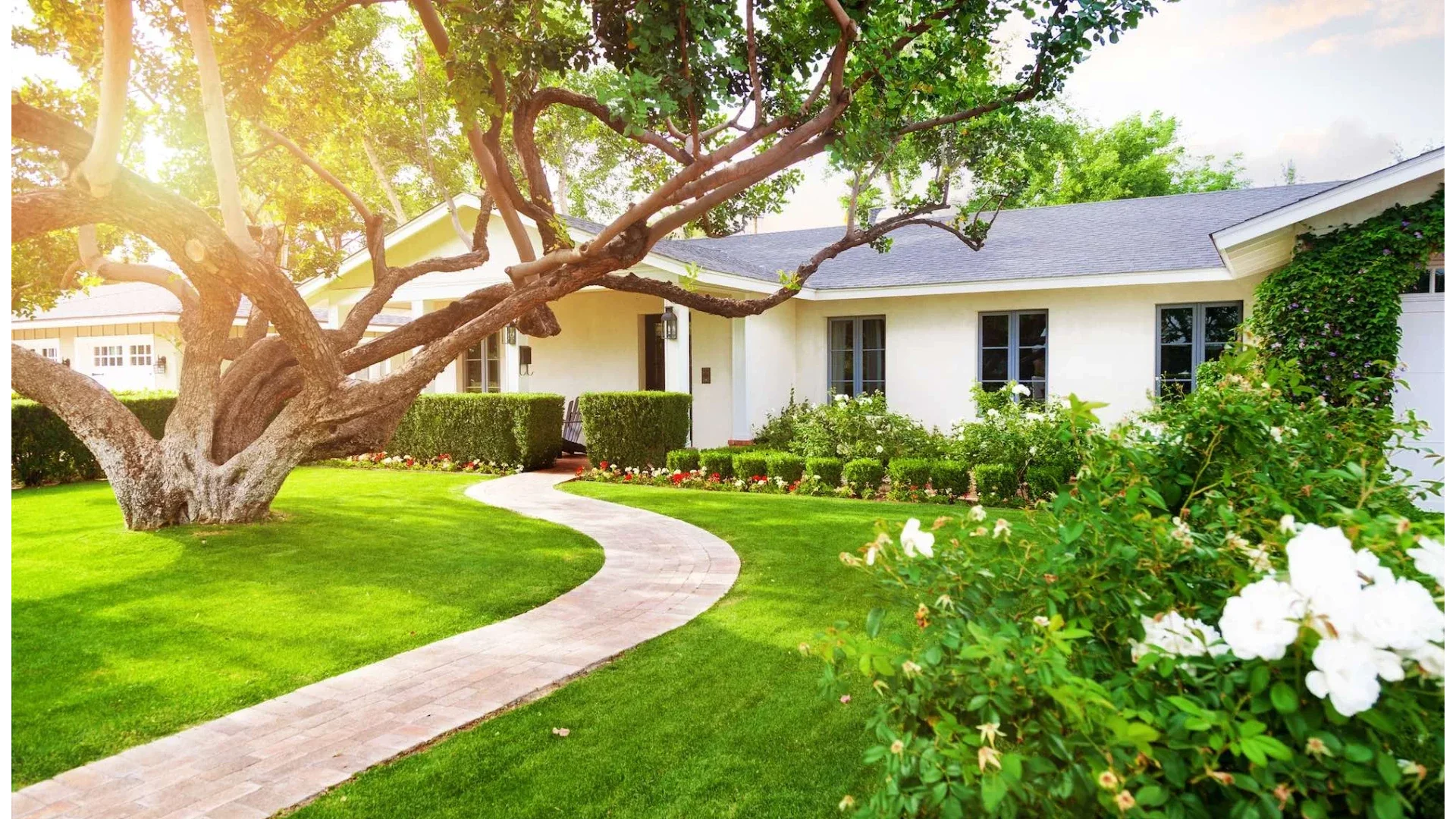
Peak moving season is here. According to Moving.com, almost 70% of U.S. moves happen between May and September.[1] Fewer Americans move each year than in the past, but the desire to relocate is still strong.[2][3] Architectural Digest even declared that "Americans are restless" after a survey found that 55% of adults "are moving, plan to move, or want to move" in 2024. The top reasons were affordability, safety, and being closer to work, family, or friends.[3] Many of those people have South Florida on their list, and Miramar and Pembroke Pines are two of the most popular choices. Both sit between Fort Lauderdale and Miami, with easy access to I-75 and Florida's Turnpike, family-friendly neighborhoods, and parks. Moving is stressful, but it doesn't have to be overwhelming. Here are six steps to make your move easier, so you can focus on the adventure ahead. 1. Choose Your Community Start by deciding where you want to live, whether that's a general area or a specific neighborhood. Think about: Commute: Map your route to work and test it during rush hour. South Florida traffic can change the picture quickly. Schools: Miramar and Pembroke Pines are served by Broward County Public Schools, and there are also charter and private options. Budget: Look at home prices, property taxes, HOA fees, and insurance costs, not just the list price. Safety and lifestyle: Check local crime statistics, then visit in person to get a feel for walkability, shopping, and the neighborhood vibe. Local tip: Many communities here are governed by HOAs, and each one has its own rules on pets, parking, rentals, and exterior changes. Some also require buyers to be approved before closing. Knowing those rules upfront helps you choose the right fit. Explore my community guides for Miramar and Pembroke Pines, or reach out and I'll recommend neighborhoods that match your needs. 2. Find Your New Home: Rent or Buy? Renting can make sense if you're new to the area, still saving for a down payment, or not ready to commit to one neighborhood. It offers flexibility, less maintenance, and lower upfront costs. Buying is often the better move if you're ready, and it saves you from moving twice. Homeownership has been linked to a better quality of life and is one of the best ways to build wealth.[4] Real estate has historically risen in value over time. You build equity with every mortgage payment. Homeowners may be able to deduct mortgage interest and property taxes on their federal taxes. A fixed-rate mortgage payment stays the same, while U.S. rents have risen more than 42% over the past decade, according to Statista.[5] Florida bonus: Once you buy and make the home your permanent residence, apply for Florida's Homestead Exemption by March 1. It can lower your property tax bill and limit how much your home's assessed value can rise each year. Buying for the first time? Read my 5 Easy Steps to Buying Your First Home or visit Buy With Natiesha. If you're moving outside South Florida, I can refer you to a trusted agent in my national eXp network. 3. Sell or Rent Out Your Current Home If you already own a home, you'll need to decide whether to sell it or rent it out. Many clients sell so they can use their equity toward their next down payment. Others keep the home as a rental. See 3 Reasons to Buy an Investment Property. Selling and buying at the same time can feel stressful. Here are the concerns I hear most, and how we handle them: "What if I sell before I find my next home?" Look into furnished apartments, month-to-month leases, or short-term rentals. They can also be a great way to get to know your new neighborhood before you commit. "What if I get stuck with two mortgages?" We can include contingencies in your contract. For example, a clause that lets you cancel your purchase if your current home hasn't sold yet. I'll walk you through the pros and cons based on current market conditions. "What if I get the timing wrong or burn out?" Bring in support early. My job is to guide you, advocate for you, and take as much stress off your plate as possible. I'll also show you how much equity you have, so you know your budget for the next home, and build a plan to get you top dollar. My Eden Styled-to-Sell System combines smart pre-sale updates, staging, and strategic marketing to help your home sell efficiently and for more money. Curious what your home is worth? Try my home valuation tool. 4. Plan Your Departure You don't have to do it all in one day, or alone. Talk with your kids early, in an age-appropriate way. If you can, tour the new home and neighborhood together. Contact both schools to arrange transfer and enrollment. Pack one room at a time, and label every box with its contents and destination room. Declutter as you go. Donate or sell what you don't need, so you're not paying to move it. Vet your movers. Choose a reputable company and avoid large deposits before delivery. Schedule utility shut-offs or transfers for your moving date. Plan your goodbyes. The final days get hectic, so set up time with friends and family ahead of time. South Florida tip: Peak moving season overlaps with hurricane season (June 1–November 30). Build some flexibility into your moving date, and have insurance lined up well before closing. See 6 Ways to Save on Home Insurance. 5. Prepare for Your Arrival Set up utilities before you arrive: electricity (FPL serves most of Broward County), water through your city, and internet. Update your address with banks, credit cards, and subscriptions, and set up mail forwarding with USPS. Do renovations before move-in. Painting, flooring, and remodels are much easier in an empty house. Need contractor referrals? Just ask. Pack an "Open Me First!" box with toiletries, towels, sheets, chargers, and a tool kit. New to Florida? Get your Florida driver's license within 30 days of becoming a resident, and register your vehicle. 6. Get Settled In Your New Space Moving can bring feelings of loneliness,[6] but a few simple habits help: Unpack the kids' rooms first so they have a familiar "safe zone," and let them help decorate. Help pets adjust by starting them in one room with their favorite toys, food, and water. Get out and explore. Miramar and Pembroke Pines have many parks, trails, and community events. Meet people. Join a class, a place of worship, a volunteer group, or a local club. Introduce yourself to your neighbors and invite them for coffee. Once you've built a support system in your new neighborhood, it will truly feel like home. Let's Get Moving Moving is never effortless, but with a plan and the right team, it can be a positive experience. I help buyers and sellers relocate with less stress, and I can connect you with my network of movers, contractors, cleaners, designers, and other home pros. Relocating to, from, or within Miramar and Pembroke Pines? Book your free consultation and let's map out your move. This article is for informational purposes only and is not financial, legal, or tax advice. Consult the appropriate professionals about your individual needs. Sources Moving.com: Tips for Moving During Peak Season Moving.com: Moving Trends for 2024 Architectural Digest National Association of REALTORS® Statista Psychology Today

Read More
Homeowners Home Sellers Investors Home Buyers

6 Tell-Tale Ways to Identify an Outdated Home

Apr 20, 2024

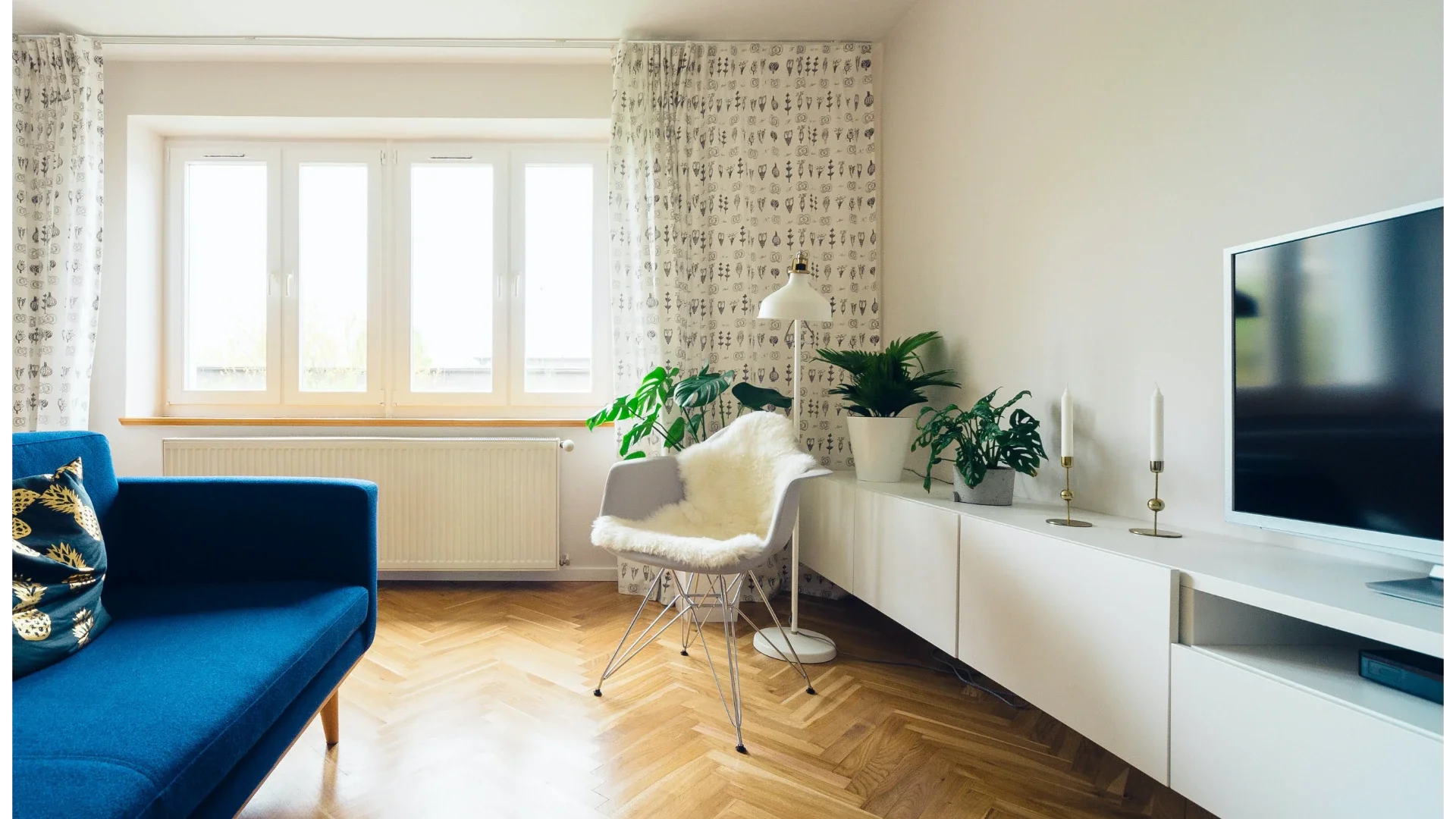
6 Tell-Tale Ways to Identify an Outdated Home When you sell your home, you want it in the best possible condition to appeal to as many buyers as possible. But even a well-maintained home can become outdated. To a buyer, "outdated" means one thing: expensive work ahead. Today's buyers, especially in Miramar and Pembroke Pines, often want a move-in-ready home, and dated features can lead to lower offers or more days on the market. Many homes here were built in the 1980s and '90s, and they share some telltale features: popcorn ceilings, 12x12 beige tile, mirrored closet doors, and accordion shutters. So how do buyers decide a house needs work? Here are the six signs they notice first. 1. The Kitchen The kitchen is the heart of the home. It's where families gather, meals are made, and memories happen. It's also where buyers look first. Signs it's outdated: old or mismatched appliances, worn laminate or tile countertops, oak or builder-grade cabinets, and fluorescent box lighting. What buyers want: stainless steel appliances, bright LED lighting, and updated cabinets. Quartz has largely replaced granite as the countertop buyers ask for, and it's one of the quickest ways to signal a modern home. If your cabinets are solid, painting them and adding new hardware can go a long way. 2. The Bathrooms Bathrooms can make or break a sale. Signs it's outdated: built-in toothbrush and cup holders, cracked or dated tile, pink or almond fixtures, corner whirlpool tubs, glass block walls, and old vanities. What buyers want: modern fixtures, fresh tile, and a new vanity, possibly a floating vanity. Walk-in showers with frameless glass are a favorite in South Florida homes. 3. The Paint Fresh paint does wonders. Faded, peeling paint, or bold colors from decades past, sends buyers running. Repaint in soft, warm neutrals that appeal to the widest range of buyers. New paint also freshens the smell of your home and helps buyers picture themselves living there. Don't forget the ceilings: removing popcorn ceilings is one of the most noticeable updates you can make. 4. The Flooring Floors take the most wear and hold the most odors, and worn, stained flooring is a major red flag. Replace carpet with luxury vinyl plank (LVP) or tile. Since the pandemic, buyers and renters love floors they can clean and sanitize quickly. LVP is as easy to care for as tile and often costs much less to install, because in many cases it can go right over existing flooring. It instantly modernizes a home. Local tip: If you're in a condo, check your association's flooring rules first. Many require a sound-reducing underlayment. 5. The Lighting Buyers love bright, inviting spaces. Swap out dated chandeliers, ceiling fans with light kits, and dim fixtures for recessed lighting and energy-efficient LED fixtures. Better lighting makes rooms feel bigger, cleaner, and more modern, in person and in listing photos. 6. The Windows Old windows look dated, and savvy buyers know they also mean higher energy and insurance costs. In South Florida, buyers increasingly expect impact-resistant windows and doors instead of accordion shutters or storm panels. Impact windows help keep your home cooler, let in more natural light, cut outside noise, and may qualify you for insurance discounts. Learn more in Hurricane-Resistant Upgrades. Update Smart, Not Everything Selling your home is exciting, but you don't need to fix everything. The goal is to update the right things, the ones buyers in your neighborhood actually pay for. Focus on these six areas and you'll typically get a better price and fewer days on the market. That's exactly what my Eden Styled-to-Sell System is built for. With my renovation background, I'll walk through your home, show you which updates will pay off, and which to skip, before you list. More ideas: 7 Weekend Projects to Boost Your Property Value 4 Home Remodeling Projects with the Highest ROI Renovate or Relocate? 3 Questions to Help You Decide Thinking about selling in Miramar or Pembroke Pines? Book a free seller consultation, or start by finding out what your home is worth.

Read More
Investors Homeowners Home Sellers Home Buyers

6 Strategies to Save on Home Insurance Premiums

Apr 05, 2024

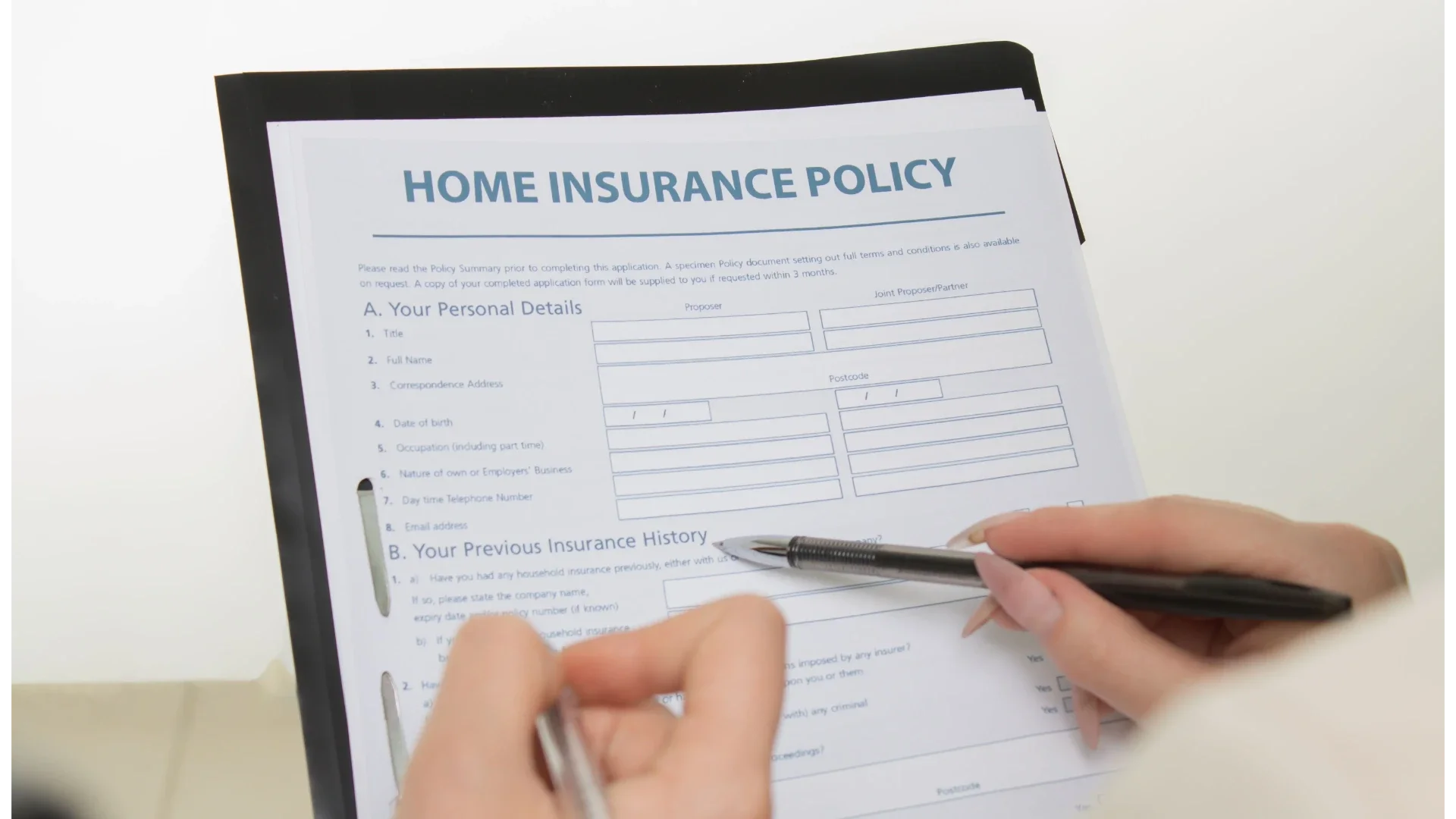
The past few years have brought a record number of costly weather disasters to the United States. In 2023 alone, there were 28 separate weather-related disasters that each caused at least $1 billion in damages.[1] Those events set off a wave of insurance claims, and analysts expect both disasters and claims to keep increasing. At the same time, construction labor and materials have become more expensive, so repairs cost more. As a result, home insurance rates have jumped. Bankrate reports that premiums were up an average of 23% in 2024, following double-digit increases the year before.[2][3] In disaster-prone regions like South Florida, it's even harder. Some insurers have left high-risk areas entirely, and many that stayed have doubled or even tripled their premiums.[4] For most homeowners, solid insurance coverage is essential to financial security. But big rate increases can turn an affordable home into a financial burden. They can also hurt sellers. Lenders require insurance to approve a mortgage, and in hard-hit areas some sales fall through, or homes sit on the market, because buyers can't get coverage or can't afford it.[5][6] Don't panic! You can't control the bigger trends, but you can do plenty to save. Here are my top six strategies to lower your premium while keeping the protection you need. 1. Shop Around Get at least three quotes before you choose a policy. You can contact insurers directly or work with an independent insurance broker, who can compare several companies for you.[7] You'll need detailed information about the property and your claims history. Read each policy carefully. A cheaper policy can hide important gaps in coverage. Compare: How much the policy pays to repair or replace your home Limits on personal belongings and liability claims The hurricane deductible (more on that below) It also helps to read customer reviews (Trustpilot is a good place to start) and ratings from the Better Business Bureau and J.D. Power. Need help choosing? Reach out and I'll share my list of trusted South Florida insurance professionals. 2. Raise Your Deductible Your deductible is the amount you pay before insurance kicks in. It's one of the biggest factors in what you pay. A low deductible, like $500, means a higher premium. A higher deductible, like $2,500 or $5,000, lowers your premium. According to NerdWallet, raising your deductible from $1,000 to $2,500 could save an average of 11% a year.[8] Florida tip: Florida policies usually carry a separate hurricane deductible, often set as a percentage of your home's insured value (for example, 2%, 5%, or 10%). A higher percentage lowers your premium, but make sure you'd have the cash to cover it after a storm. Choose a higher deductible only if your savings could comfortably cover it. 3. Bundle Your Policies Most insurers give a discount when you bundle home and auto insurance. Some offer more savings if you add an RV, boat, jewelry, or life policy. According to U.S. News & World Report, bundling home and auto typically saves 10% to 25%. It also cuts down on paperwork. In some cases, like a storm that damages both your home and your car, you may pay just one deductible instead of two.[9] But remember Strategy #1: shop around. Bundling isn't always cheaper, deals vary by company, and you still need to confirm the bundle covers everything you need. 4. Ask About Every Discount, Especially Wind Mitigation Insurers reward homeowners who are less likely to file a claim. Depending on the company, you may qualify for discounts for: Being a nonsmoker (lower fire risk)[8] Military service, or professions like teaching or engineering Being a recent homebuyer Paperless billing or paying the full year upfront[10] The big one in Florida: wind mitigation. Florida insurers are required to offer discounts for features that help your home stand up to hurricanes, such as: Impact-rated windows and doors, or hurricane shutters Roof-to-wall hurricane straps or clips A hip-style roof Secondary water barriers and a stronger roof deck attachment A licensed inspector can complete a wind mitigation inspection for a relatively small fee. For many South Florida homeowners, the savings add up to far more than the inspection costs. The simplest approach is to ask your agent for the full list of available discounts. 5. Avoid Filing Small Claims Many insurers give lower rates to homeowners who go several years without a claim. Filing several claims usually leads to big increases,[10] and filing too many could get your policy non-renewed.[11] If the damage is minor, like a few shingles lost in a windstorm, it's often smarter to pay out of pocket: If the repair costs less than your deductible, don't file. If it's only slightly more than your deductible, paying yourself is usually better in the long run. Check your policy before you file. Even a denied claim can count against you.[11] South Florida tip: Roof condition is one of the biggest factors in whether Florida insurers will cover a home, and at what price. Catch small problems early with my guide to spotting roof problems during rainy season. Need a reliable contractor for a small repair? Reach out for my list of reasonably priced local pros. 6. Be Strategic About Home Improvements Renovations can change your insurance rates, for better or worse.[12] Upgrades that may LOWER your premium: Replacing an aging roof Installing impact windows, impact doors, or shutters Updating electrical and plumbing systems Adding a monitored security system Installing fire sprinklers Upgrades that may RAISE your premium: Adding a pool or other water features Building an addition or expanding your living space Upgrading to high-end materials like premium flooring or countertops Adding a fireplace or wood stove Whatever you change, tell your insurer so you don't end up with gaps in coverage. This is where my renovation background helps. Before you start a project, talk with me about how it could affect your home's value, resale potential, and insurance costs. For projects that pay off, see 4 Home Remodeling Projects with the Highest ROI. Bottom Line: Protect Your Investment Without Overpaying Getting the coverage you need without overpaying is a tricky balance, especially in South Florida. Look for the best deal, but don't skimp on protection. For advice on your specific risks and coverage needs, talk with a knowledgeable insurance professional. I'm happy to connect you with a trusted advisor in my network. Buying, selling, or renovating in Miramar or Pembroke Pines? Book a free consultation to talk about how insurance fits into your plans. Buying for the first time? Start with my 5 Easy Steps to Buying Your First Home. This article is for informational purposes only and is not financial, legal, insurance, or tax advice. Consult the appropriate professionals about your individual needs. Sources Climate.gov Bankrate Policygenius CNN BBC US News NerdWallet NerdWallet US News & World Report MarketWatch Bankrate Bankrate

Read More
Home Sellers Homeowners Investors

Top 5 Things to Consider When Selling Your House

Mar 16, 2024

Selling your house can feel daunting, especially the first time. But with the right mindset and preparation, you can get through the process smoothly and profitably. Whether you're a first-time seller or a seasoned pro, here are five key factors that will help you get the best price and sell quickly, plus what every South Florida seller should know. 1. Price The right price can make or break your sale. Your agent should give you a Comparative Market Analysis (CMA) showing what similar homes in your neighborhood have actually sold for, not just what they're listed for. Even the best marketing can't make up for a home priced higher than buyers are willing to pay. Overpricing often backfires. The home sits, buyers wonder what's wrong with it, and it can end up selling for less than it would have at the right price from the start. As a Pricing Strategy Advisor (PSA) and Seller Representative Specialist (SRS), I price homes based on data and condition. I factor in what your updates are worth, what needs work, and what buyers in Miramar and Pembroke Pines are paying right now. Curious where your home stands? Get your home's value. 2. Marketing Buyers can't fall in love with a home they never see. In today's digital world, strong online marketing is essential. Make sure your agent provides: Professional photography and video tours MLS exposure plus major sites like Zillow and Realtor.com Social media marketing to reach an even wider audience Open houses, a tried-and-true way to get buyers through the door With an MBA in marketing and a background in advertising, I give every listing luxury-level presentation, whatever the price point. 3. Staging Once buyers walk in, staging helps them picture themselves living there. Staging means decluttering, rearranging, and styling your rooms to create a warm, inviting atmosphere. Staging helps buyers form an emotional connection, the "I have to have this house" feeling. That often leads to more offers, stronger offers, and faster sales. As a Real Estate Staging Association Certified Staging Advocate, I build staging into every listing. For step-by-step tips, see Stage to Sell: 7 Proven Steps to Attract Buyers and Boost Offers and Accessorize Like a Boss. 4. Curb Appeal and Pre-Listing Repairs First impressions are everything, and the exterior is the first thing buyers see. Keep the lawn trimmed and trees groomed Pressure wash the driveway, walkways, and roof Wash the windows Consider fresh exterior paint (check your HOA's color rules first) Get ahead of deal-killers. Small problems found during the buyer's inspection can scare buyers off or lead to tough renegotiations. Fix minor issues before you list: leaky faucets, worn caulking around windows, broken tiles, and peeling paint. It reassures buyers that the home has been well cared for. South Florida tips: Know your roof's age and condition. Buyers' insurers look closely at it. Having your roof permit, and if possible a recent wind mitigation report and 4-point inspection, ready can make it easier for buyers to get insurance, and keep your deal on track. Close out any open permits. Unfinished permits from past work can delay closing. Consider a pre-listing inspection so there are no surprises. Not sure which repairs are worth it? That's where my renovation background comes in. See 6 Tell-Tale Ways to Identify an Outdated Home and 7 Weekend Projects to Boost Your Property Value. 5. Negotiations and Closing Once you have an offer, you need a clear understanding of negotiation and closing: the contract, inspections, appraisal, closing costs, and the closing date. What Florida sellers should know: Disclosure: Florida sellers must disclose known issues that significantly affect the home's value and aren't easy to see. When in doubt, disclose. Closing costs: Sellers in Broward typically pay for things like documentary stamp taxes on the deed and, customarily, the owner's title insurance policy, plus agent commissions and any agreed-upon concessions. HOA and condo communities require an estoppel certificate showing any money owed to the association, and some require buyer approval, which can affect your timeline. An experienced agent guides you through every step, negotiates on your behalf, and keeps everything on schedule. The Bottom Line Selling a home is a complex process that requires attention to detail, but it doesn't have to be overwhelming. The key is having an agent who can handle the moving parts, and who knows how to position your home to sell for top dollar. Here's what one of my sellers said: "My home needed extensive repairs before it could be listed, and I honestly had no idea where to start... We started renovations in October, were on the market and fully staged by December, and closed by February. The final sale price was well above what I originally expected, simply because Natiesha knew how to position the home and guide the repairs properly." — Natalie S., Home Seller ⭐⭐⭐⭐⭐ That's the heart of my Eden Styled-to-Sell System: a proven plan to prepare, style, and launch your home. Thinking about selling in Miramar or Pembroke Pines? Book a free seller consultation or find out what your home is worth. Related reading: The Hidden Cost of Living in a "Well-Loved" Home Too Long Renovate or Relocate? 3 Questions To Help You Decide This article is for informational purposes only and is not legal, tax, or financial advice.

Read More
Homeowners Investors Home Sellers Home Buyers

Accessorize Like a Boss: 6 Cheap and Cheerful Ways to Stage Your South Florida Property

Jan 09, 2024

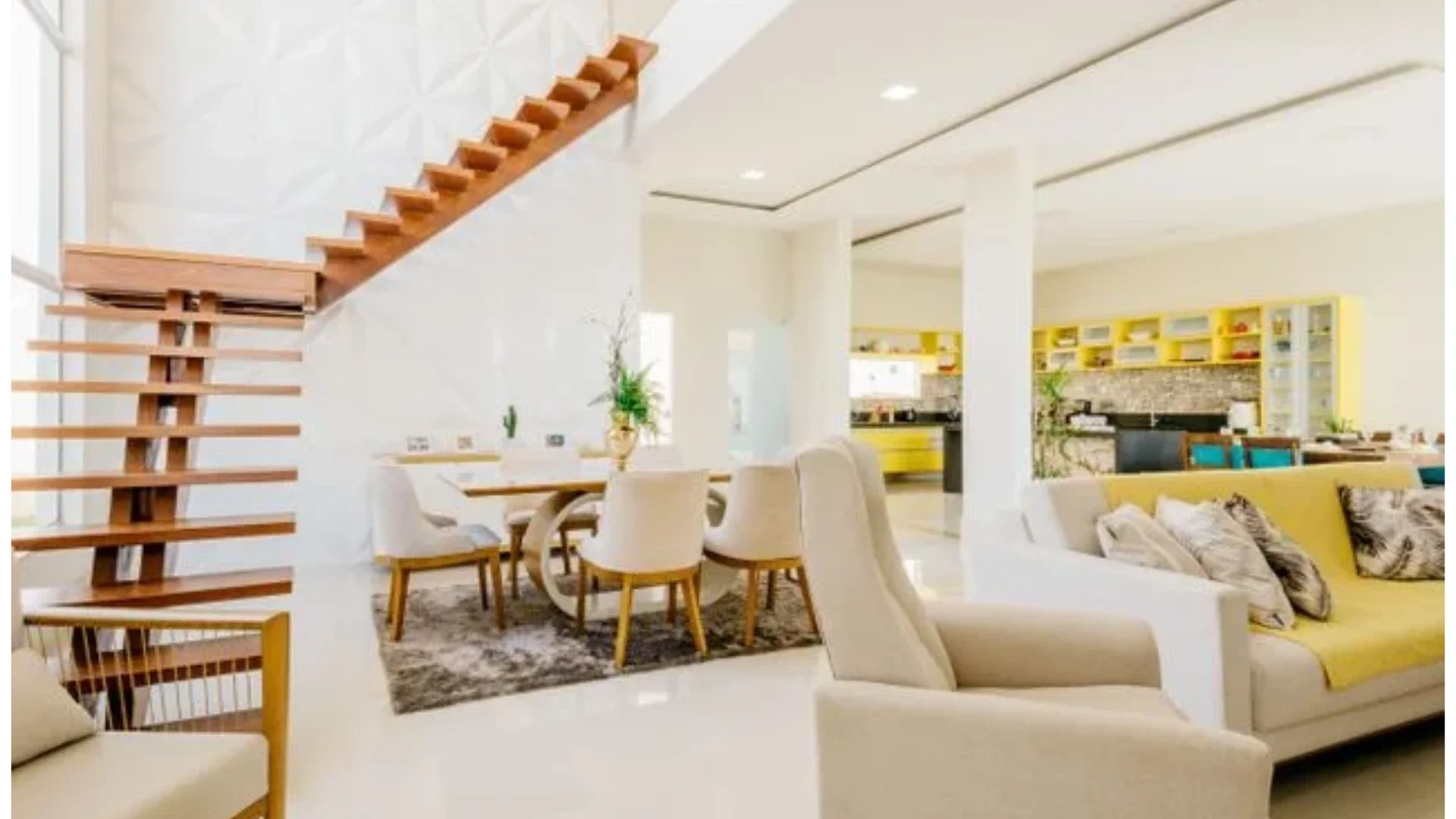
If you're a homeowner or investor looking to jazz up your property without breaking the bank, I've got six cheap and cheerful ways to stage your space with accessories. Trust me, your buyers will be impressed. Staging matters. Buyers decide how they feel about a home in seconds, often from the listing photos alone. And here in South Florida, where buyers are touring bright, updated homes all over Miramar and Pembroke Pines, a few well-chosen accessories can help your home stand out. 1. Pop In Some Color Want to brighten up a room without resorting to psychedelic wallpaper? Add a pop of color with strategically placed accents: fun throw pillows, colorful wall art, and fresh flowers or plants. South Florida twist: Lean into our tropical setting with a palm, monstera, or bird of paradise (real or quality faux), plus soft ocean blues, greens, or coral accents. Think relaxed resort, not souvenir shop. Skip the "Life's a Beach" signs. 2. Texture Up Your Life Mix and match textures to create a cozy, layered look. Add a soft area rug, drape a throw blanket over the sofa, and mix smooth and natural materials. South Florida twist: Keep it light and breezy. Linen, cotton, rattan, jute, and light woods feel fresh in our climate. Heavy velvets and faux fur can feel out of place when it's 90 degrees outside. 3. Reflect Your Style Mirrors are a staging staple for good reason. They reflect light and make a room look bigger and brighter. (And who doesn't love checking their hair in a giant wall mirror? Just me?) Pro tip: Hang a mirror across from a window to double the natural light. And if your home still has mirrored closet doors from the '80s or '90s, those can date a room. Here's how to spot other dated features: 6 Tell-Tale Ways to Identify an Outdated Home. 4. Let the Sunshine In Natural light is the ultimate mood booster, and it's South Florida's best free staging tool. Open the curtains and blinds. Swap heavy drapes for light, sheer panels. If a room is still dim, add lamps and use bright LED bulbs. You want buyers to see every nook and cranny, not stumble around in the dark. Before showings and photos: Make sure hurricane shutters are open or removed. Closed shutters make a home feel dark and closed-in. 5. Add a Touch of Personality (Just a Touch!) You want your home to look polished, but not like a hotel lobby. One or two eye-catching pieces, like bold art, an interesting lamp, or a vintage rug, give the space character. The balance: Put away family photos, collections, and very personal items. Buyers need to picture their life in the home, not yours. Think "styled," not "lived-in." 6. Get Lit with Books Books aren't just for reading. They make great decor too! Stack a few stylish coffee table books on surfaces, or use them as a base for a vase or small plant. Group them by color for an easy designer look. Bonus: Don't Forget the Outdoors In South Florida, buyers love outdoor living. Stage your patio, lanai, or balcony with a small table and chairs, outdoor cushions, and a potted plant or two. It shows buyers the lifestyle, not just the square footage. So BAM! Six Quick and Affordable Staging Wins With a little creativity, even a small budget can go a long way toward drawing buyers to your home. Your space will feel more inviting, photograph better, and sell faster. Happy staging! Want to take it further? Stage to Sell: 7 Proven Steps to Attract Buyers and Boost Offers 7 Weekend Projects to Boost Your Property Value The Hidden Cost of Living in a "Well-Loved" Home Too Long Selling in Miramar or Pembroke Pines? My Eden Styled-to-Sell System takes the guesswork out of preparing, styling, and launching your home. Book a free seller consultation or find out what your home is worth.

Read More