




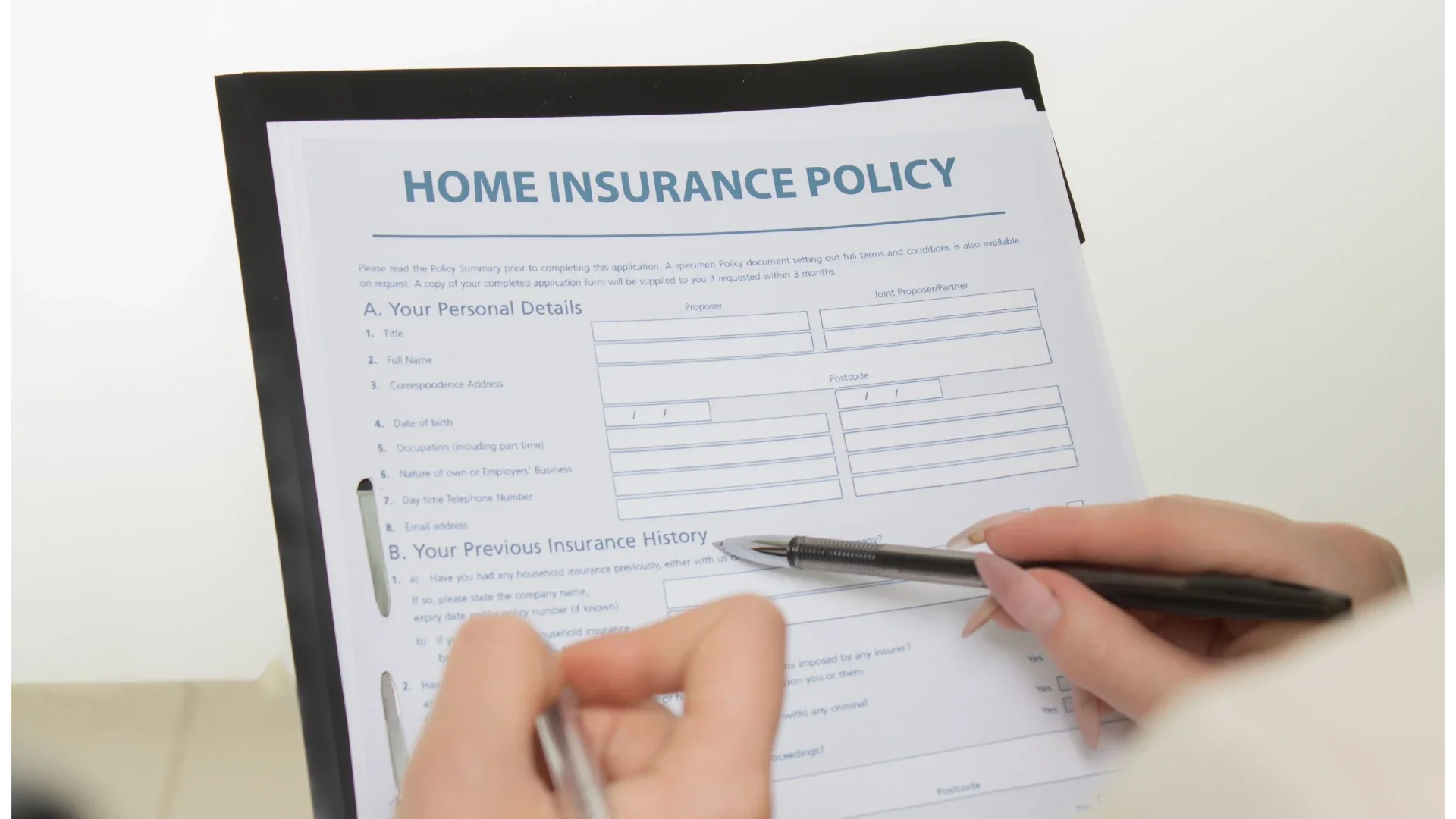
The past few years have brought a record number of costly weather disasters to the United States. In 2023 alone, there were 28 separate weather-related disasters that each caused at least $1 billion in damages.[1]
Those events set off a wave of insurance claims, and analysts expect both disasters and claims to keep increasing. At the same time, construction labor and materials have become more expensive, so repairs cost more. As a result, home insurance rates have jumped. Bankrate reports that premiums were up an average of 23% in 2024, following double-digit increases the year before.[2][3]
In disaster-prone regions like South Florida, it's even harder. Some insurers have left high-risk areas entirely, and many that stayed have doubled or even tripled their premiums.[4]
For most homeowners, solid insurance coverage is essential to financial security. But big rate increases can turn an affordable home into a financial burden. They can also hurt sellers. Lenders require insurance to approve a mortgage, and in hard-hit areas some sales fall through, or homes sit on the market, because buyers can't get coverage or can't afford it.[5][6]
Don't panic! You can't control the bigger trends, but you can do plenty to save. Here are my top six strategies to lower your premium while keeping the protection you need.
1. Shop Around
Get at least three quotes before you choose a policy. You can contact insurers directly or work with an independent insurance broker, who can compare several companies for you.[7] You'll need detailed information about the property and your claims history.
Read each policy carefully. A cheaper policy can hide important gaps in coverage. Compare:
- How much the policy pays to repair or replace your home
- Limits on personal belongings and liability claims
- The hurricane deductible (more on that below)
It also helps to read customer reviews (Trustpilot is a good place to start) and ratings from the Better Business Bureau and J.D. Power.
Need help choosing? Reach out and I'll share my list of trusted South Florida insurance professionals.
2. Raise Your Deductible
Your deductible is the amount you pay before insurance kicks in. It's one of the biggest factors in what you pay.
A low deductible, like $500, means a higher premium. A higher deductible, like $2,500 or $5,000, lowers your premium. According to NerdWallet, raising your deductible from $1,000 to $2,500 could save an average of 11% a year.[8]
Florida tip: Florida policies usually carry a separate hurricane deductible, often set as a percentage of your home's insured value (for example, 2%, 5%, or 10%). A higher percentage lowers your premium, but make sure you'd have the cash to cover it after a storm.
Choose a higher deductible only if your savings could comfortably cover it.
3. Bundle Your Policies
Most insurers give a discount when you bundle home and auto insurance. Some offer more savings if you add an RV, boat, jewelry, or life policy.
According to U.S. News & World Report, bundling home and auto typically saves 10% to 25%. It also cuts down on paperwork. In some cases, like a storm that damages both your home and your car, you may pay just one deductible instead of two.[9]
But remember Strategy #1: shop around. Bundling isn't always cheaper, deals vary by company, and you still need to confirm the bundle covers everything you need.
4. Ask About Every Discount, Especially Wind Mitigation
Insurers reward homeowners who are less likely to file a claim. Depending on the company, you may qualify for discounts for:
- Being a nonsmoker (lower fire risk)[8]
- Military service, or professions like teaching or engineering
- Being a recent homebuyer
- Paperless billing or paying the full year upfront[10]
The big one in Florida: wind mitigation. Florida insurers are required to offer discounts for features that help your home stand up to hurricanes, such as:
- Impact-rated windows and doors, or hurricane shutters
- Roof-to-wall hurricane straps or clips
- A hip-style roof
- Secondary water barriers and a stronger roof deck attachment
A licensed inspector can complete a wind mitigation inspection for a relatively small fee. For many South Florida homeowners, the savings add up to far more than the inspection costs.
The simplest approach is to ask your agent for the full list of available discounts.
5. Avoid Filing Small Claims
Many insurers give lower rates to homeowners who go several years without a claim. Filing several claims usually leads to big increases,[10] and filing too many could get your policy non-renewed.[11]
If the damage is minor, like a few shingles lost in a windstorm, it's often smarter to pay out of pocket:
- If the repair costs less than your deductible, don't file.
- If it's only slightly more than your deductible, paying yourself is usually better in the long run.
- Check your policy before you file. Even a denied claim can count against you.[11]
South Florida tip: Roof condition is one of the biggest factors in whether Florida insurers will cover a home, and at what price. Catch small problems early with my guide to spotting roof problems during rainy season.
Need a reliable contractor for a small repair? Reach out for my list of reasonably priced local pros.
6. Be Strategic About Home Improvements
Renovations can change your insurance rates, for better or worse.[12]
Upgrades that may LOWER your premium:
- Replacing an aging roof
- Installing impact windows, impact doors, or shutters
- Updating electrical and plumbing systems
- Adding a monitored security system
- Installing fire sprinklers
Upgrades that may RAISE your premium:
- Adding a pool or other water features
- Building an addition or expanding your living space
- Upgrading to high-end materials like premium flooring or countertops
- Adding a fireplace or wood stove
Whatever you change, tell your insurer so you don't end up with gaps in coverage.
This is where my renovation background helps. Before you start a project, talk with me about how it could affect your home's value, resale potential, and insurance costs. For projects that pay off, see 4 Home Remodeling Projects with the Highest ROI.
Bottom Line: Protect Your Investment Without Overpaying
Getting the coverage you need without overpaying is a tricky balance, especially in South Florida. Look for the best deal, but don't skimp on protection.
For advice on your specific risks and coverage needs, talk with a knowledgeable insurance professional. I'm happy to connect you with a trusted advisor in my network.
Buying, selling, or renovating in Miramar or Pembroke Pines? Book a free consultation to talk about how insurance fits into your plans. Buying for the first time? Start with my 5 Easy Steps to Buying Your First Home.
This article is for informational purposes only and is not financial, legal, insurance, or tax advice. Consult the appropriate professionals about your individual needs.
Sources