




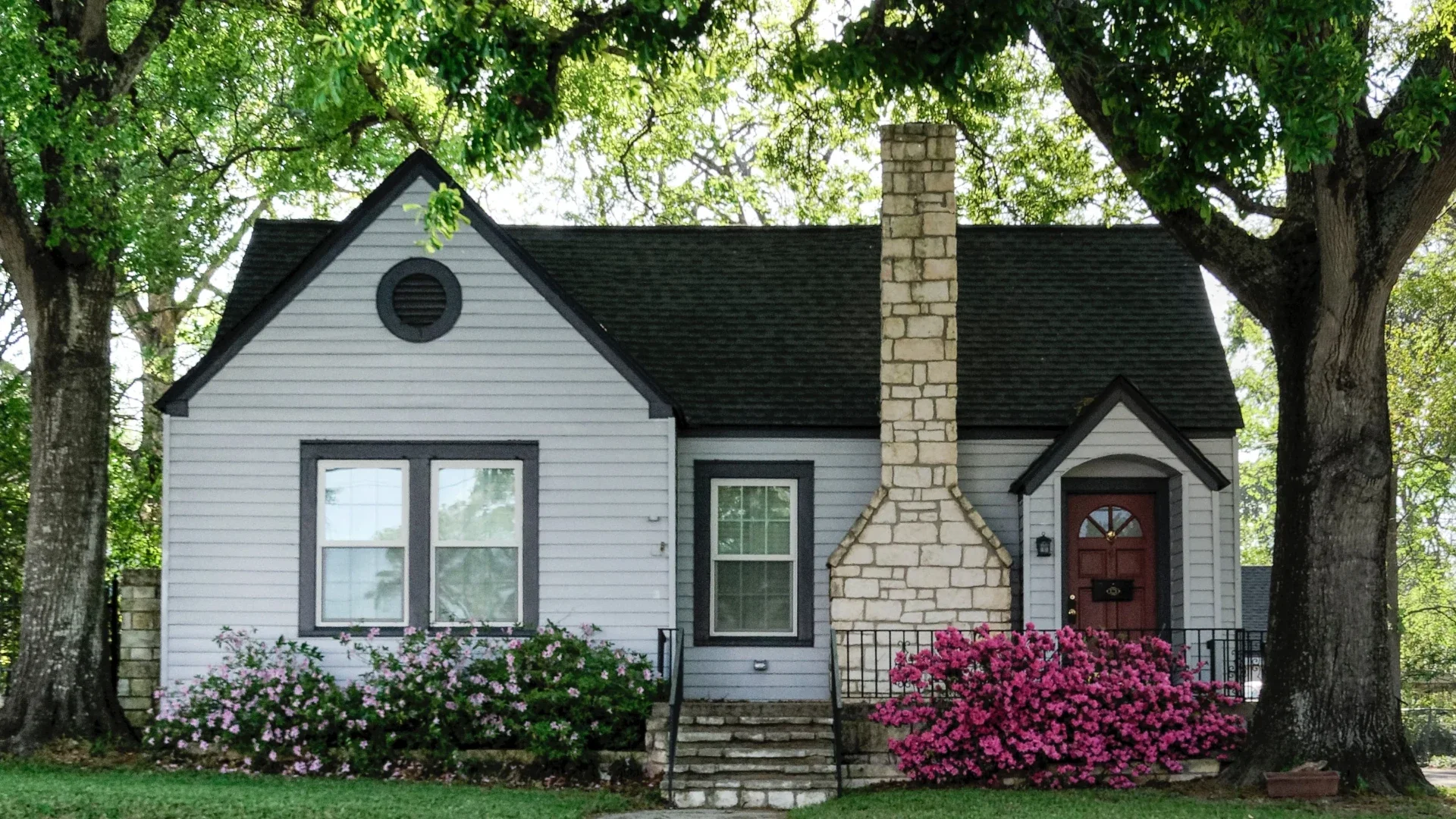
There’s something deeply beautiful about a well-loved home.
It’s where birthdays were celebrated, holidays were hosted, children grew up, and life happened.
For many homeowners, especially those who have lived in their home for 10, 15, even 20+ years, the house becomes more than a property — it becomes part of the family story.
And that emotional connection matters.
But here’s the conversation many homeowners avoid having:
Is the home still serving your life and your financial goals the way it should?
As a South Florida Realtor and renovation-minded real estate professional, I often walk into homes that have incredible bones, strong neighborhoods, and years of built-up equity… but also years of deferred updates, layout limitations, and safety concerns that quietly reduce market value.
The hidden cost is not just cosmetic.
It’s financial.
When Comfort Becomes Costly
Living in a home for a long time can sometimes make it harder to notice the changes that buyers will immediately see.
Things like:
dated kitchens and bathrooms
worn flooring
aging roofs or HVAC systems
poor lighting
inefficient layouts
deferred maintenance
These issues may feel normal because you’ve adapted to them over time.
But in today’s market, buyers are comparing your home to beautifully updated listings online before they ever step foot inside.
Sometimes the difference between receiving multiple strong offers and sitting on the market comes down to strategic preparation.
Not perfection.
Strategy.
The Equity Opportunity Many Homeowners Miss
One of the biggest mistakes I see is homeowners underestimating how much value small, intentional improvements can create.
I’m not talking about gutting the entire house.
Often, simple updates can dramatically improve both function and perceived value:
fresh interior paint
updated light fixtures
decluttering and space planning
landscaping and curb appeal
minor kitchen and bath refreshes
staging or digital staging
These are strategic moves that help buyers emotionally connect to the space and justify stronger offers.
A well-positioned home often sells faster and with less negotiation.
That means more equity preserved in your pocket.
It’s Not About Changing Your Story
This part is important.
Preparing a well-loved home for sale is not about erasing its story.
It’s about honoring everything the home has been while preparing it for its next chapter.
I love helping homeowners see the hidden potential in the spaces they’ve lived in for years.
Sometimes it just takes a fresh set of eyes to identify where value is being left on the table.
The goal is simple:
maximize functionality, safety, presentation, and profit.
Before You Decide to Sell, Ask Yourself This
If you’ve been in your home for 10+ years, ask:
What would a buyer notice in the first 30 seconds?
The answer to that question often reveals where opportunity exists.
Sometimes the best investment isn’t a major renovation.
Sometimes it’s simply knowing what to update, what to leave alone, and how to present the home in a way that attracts the right buyer.
That’s where strategy makes all the difference.
If you’ve been wondering what your home may be worth in today’s market — and whether a few updates could significantly improve your return — I’d be happy to help you explore your options.
Your home may be more valuable than you think.